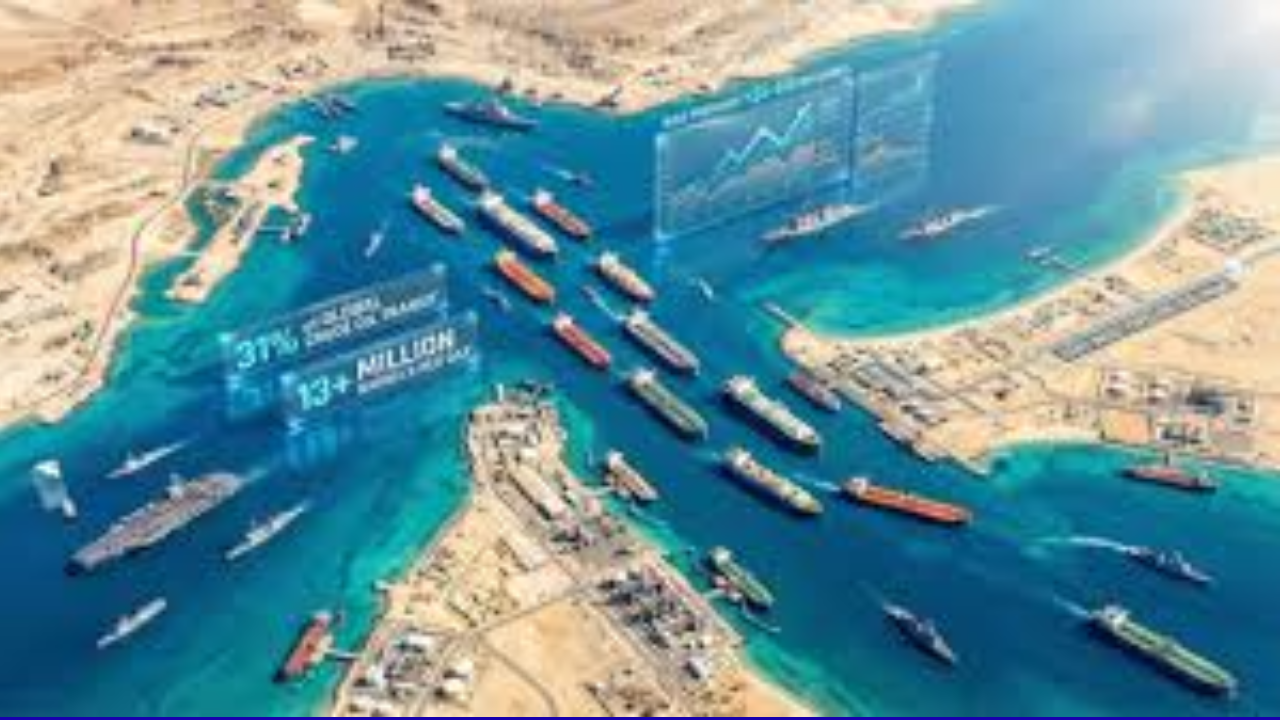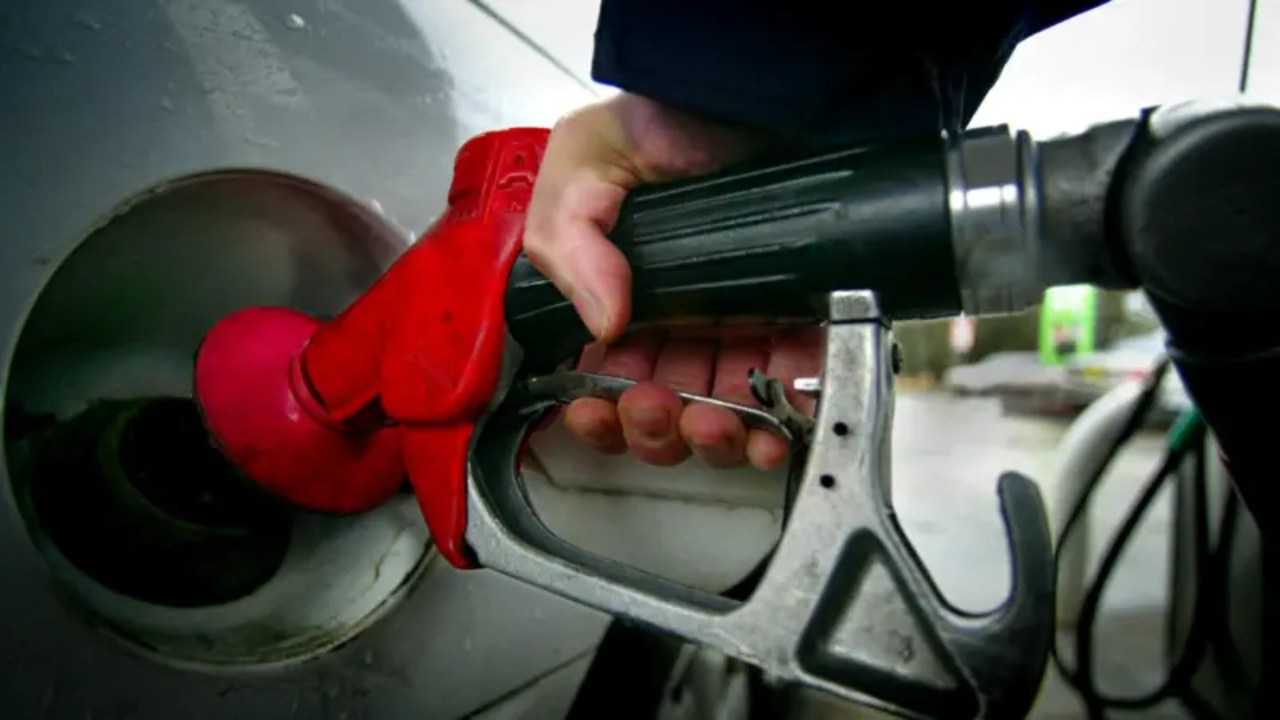
CANBERRA – In a move to stabilize the nation’s energy security, the Australian Government has authorized the release of up to 762 million litres of petrol and diesel from domestic emergency stockpiles. The decision, effective March 13, 2026, follows severe supply chain disruptions caused by escalating conflict in the Middle East and the subsequent closure of the Strait of Hormuz.
Thank you for reading this post, don't forget to subscribe!1. Strategic Inventory Adjustments
To facilitate this release, the government has temporarily lowered the Minimum Stockholding Obligation (MSO). This mandate requires fuel companies to keep specific reserves on hand to buffer against global shocks.
- Diesel Reserves: Lowered from 2.7 billion to 2.2 billion litres.
- Petrol Reserves: Lowered from 1.0 billion to 700 million litres.
- Targeted Relief: This 20% reduction in baseline reserves is specifically designed to alleviate “localized dry-outs” in regional and rural areas where panic buying has been most prevalent.
2. Regulatory Flexibilities and Market Protection
Energy Minister Chris Bowen announced several emergency measures to supplement the stockpile release:
- Lowered Fuel Standards: For 60 days, the sulfur limit in petrol has been raised from 10ppm to 50ppm. This allows 100 million litres of fuel—previously slated for export due to lower quality—to be diverted into the Australian domestic market.
- Price Monitoring: The government has issued a stern warning against “un-Australian” profiteering, specifically targeting individuals reselling fuel at inflated prices on secondary markets.
- Current Stock Levels: Despite pump prices reaching $2.00–$2.30 per litre, the government maintains that the physical supply remains secure, with approximately 32–36 days of coverage currently onshore or in transit within Australian waters.
3. Part of a Global Coordinated Effort
Australia’s domestic action is one piece of a broader international response. The International Energy Agency (IEA) has triggered a record-breaking coordinated release of 400 million barrels of oil across 32 member nations to prevent a total global energy collapse.
Fuel Reserve Snapshot: March 2026
| Fuel Category | Current Coverage (Days) |
| Petrol | 36 Days |
| Diesel | 32–34 Days |
| Jet Fuel | 29–32 Days |