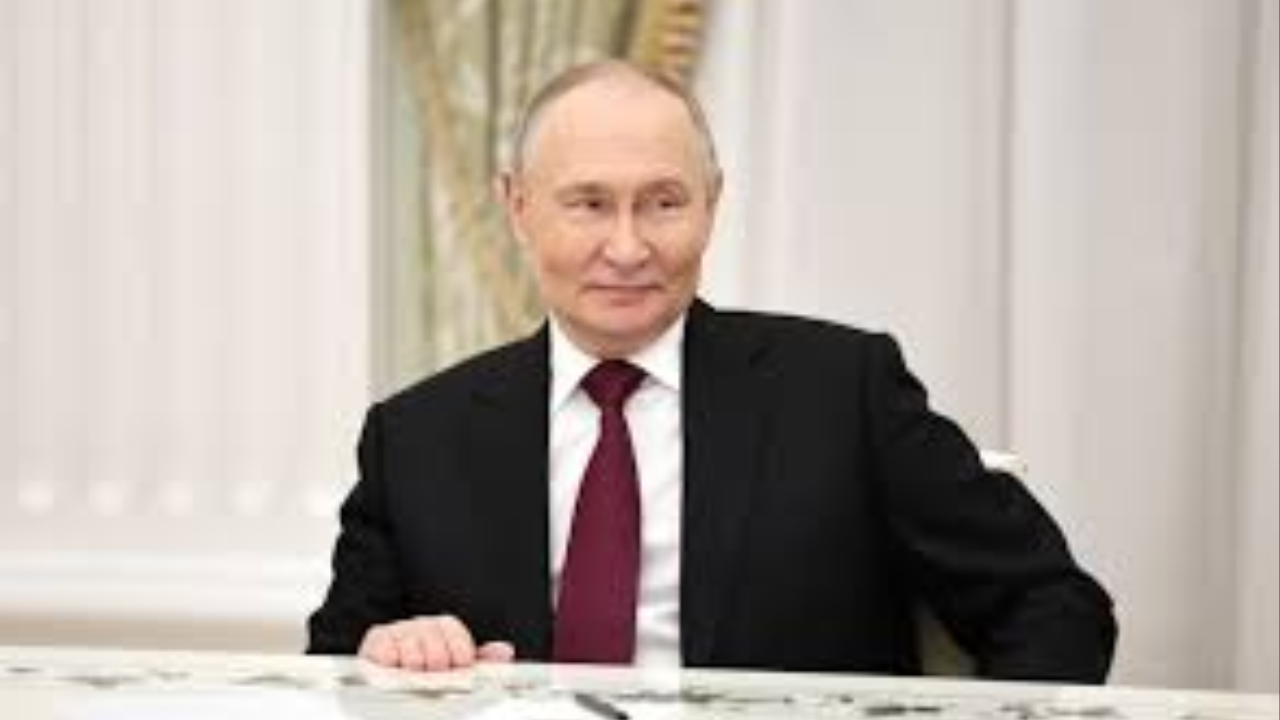
In a bold assertion of Moscow’s market power, economic envoy Kirill Dmitriev stated that global energy stability is impossible without Russian oil. His comments follow a strategic pivot by the United States to relax certain restrictions on sanctioned Russian crude.
Thank you for reading this post, don't forget to subscribe!The “I Told You So” Moment
Dmitriev, writing on Telegram, characterized recent U.S. policy shifts as an admission of a “basic reality.” He argues that despite years of sanctions, the world remains structurally dependent on Russian energy exports to prevent a total price collapse or supply shortage.
Why the U.S. Softened Its Stance
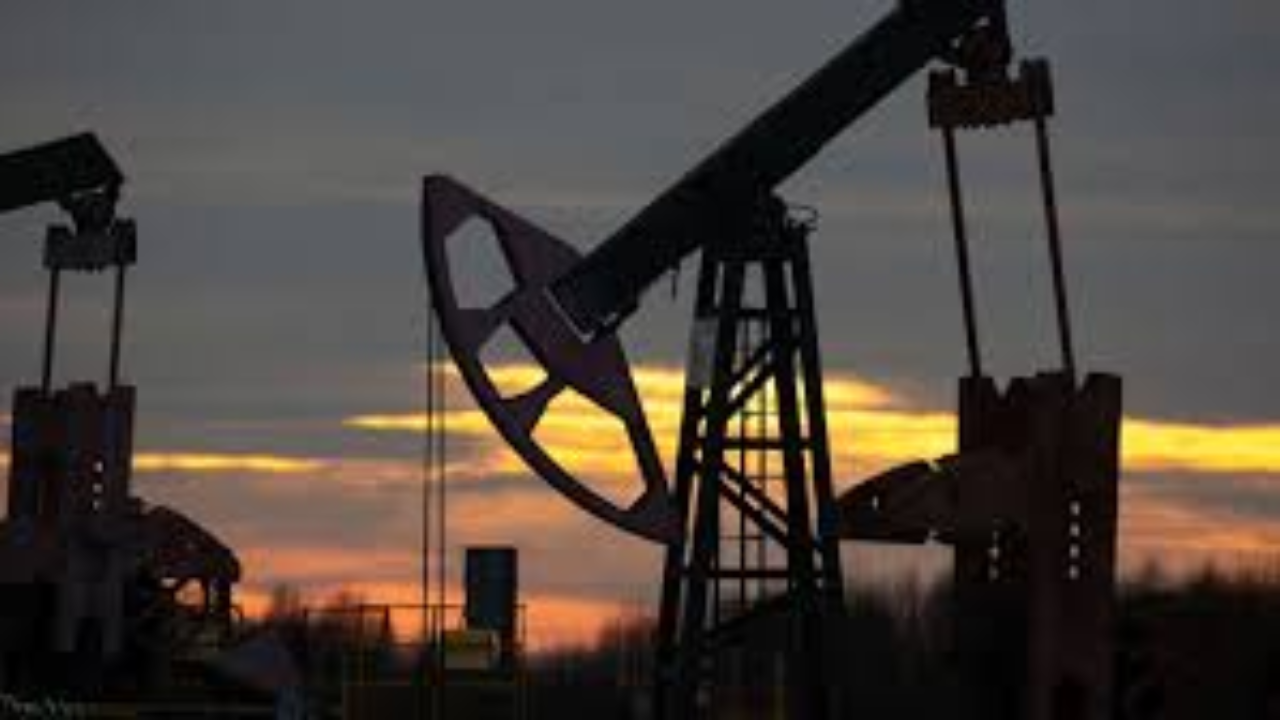
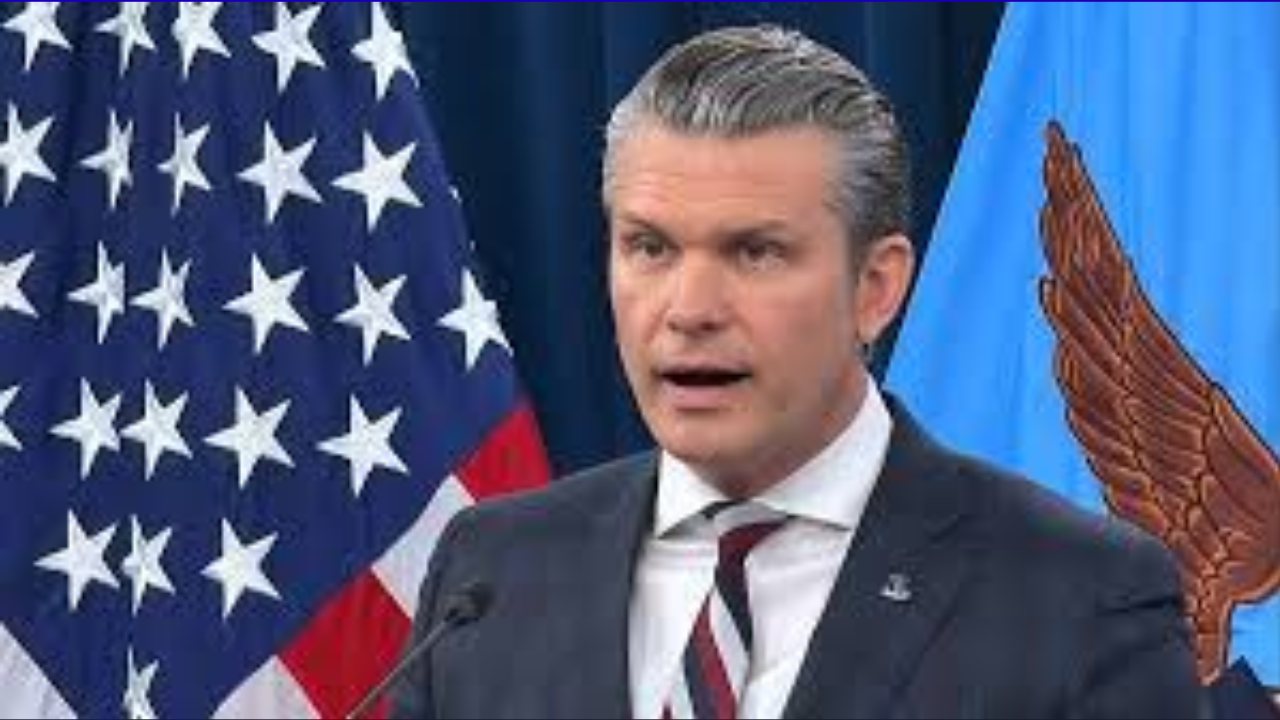
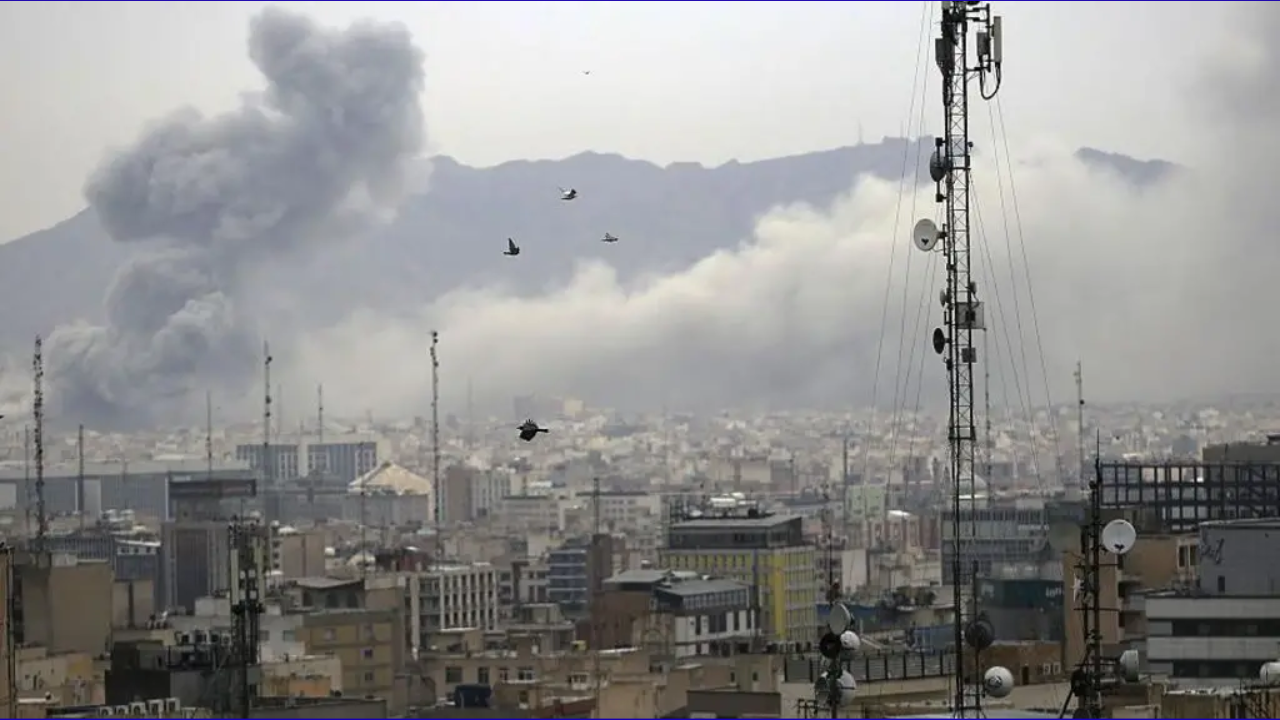
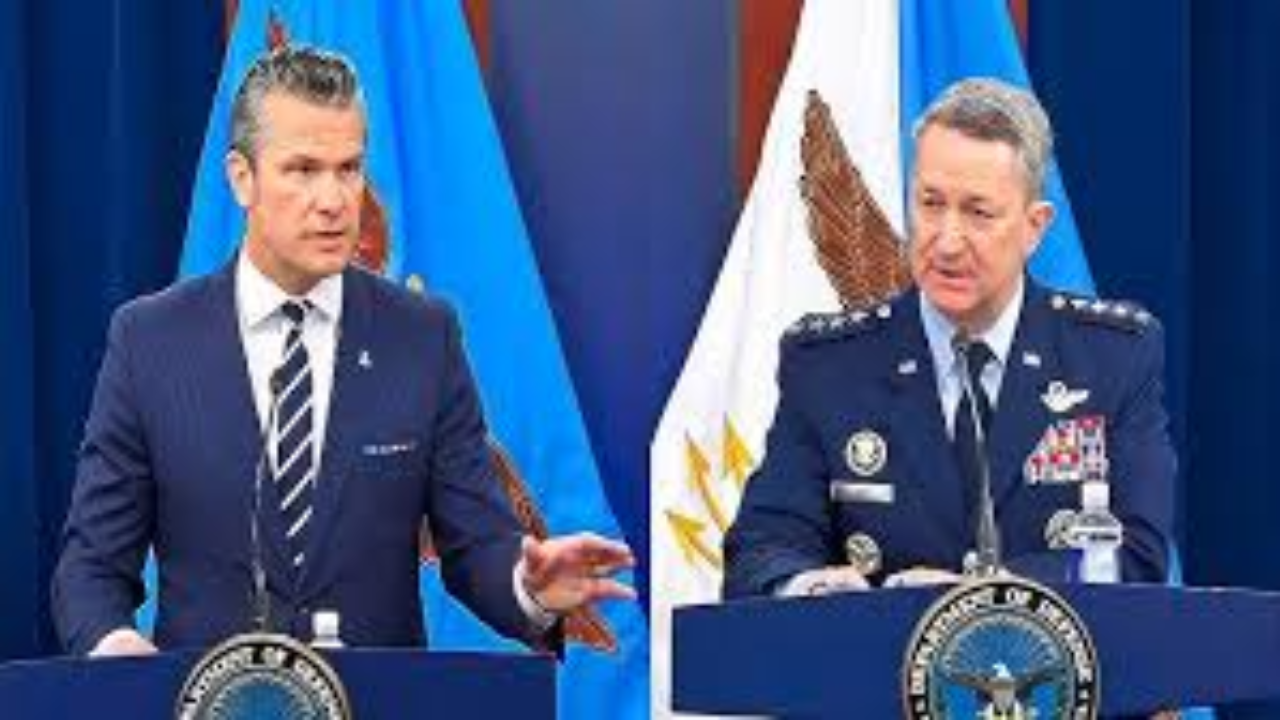
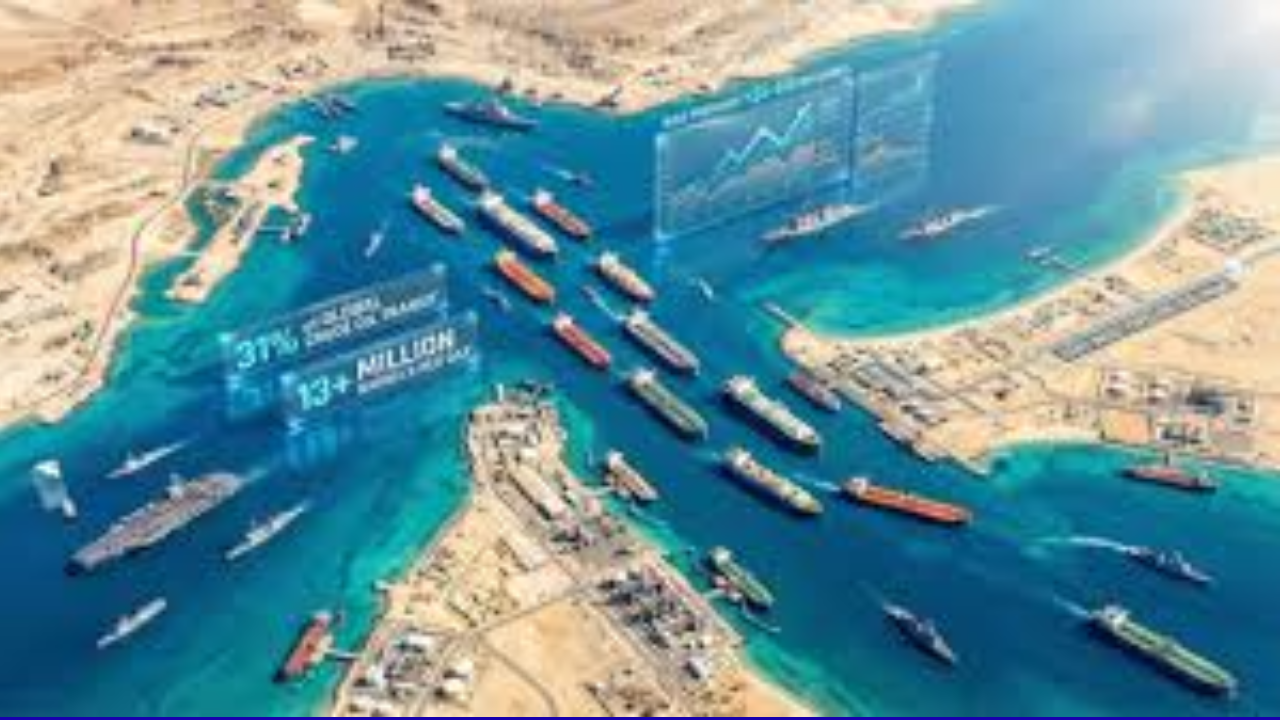
The U.S. recently authorized a temporary “safety valve” for Russian oil currently in transit. This move wasn’t a change of heart, but rather a tactical response to the current Hormuz Crisis, which has choked off nearly 20% of the world’s daily oil supply.
Key aspects of the U.S. authorization include:
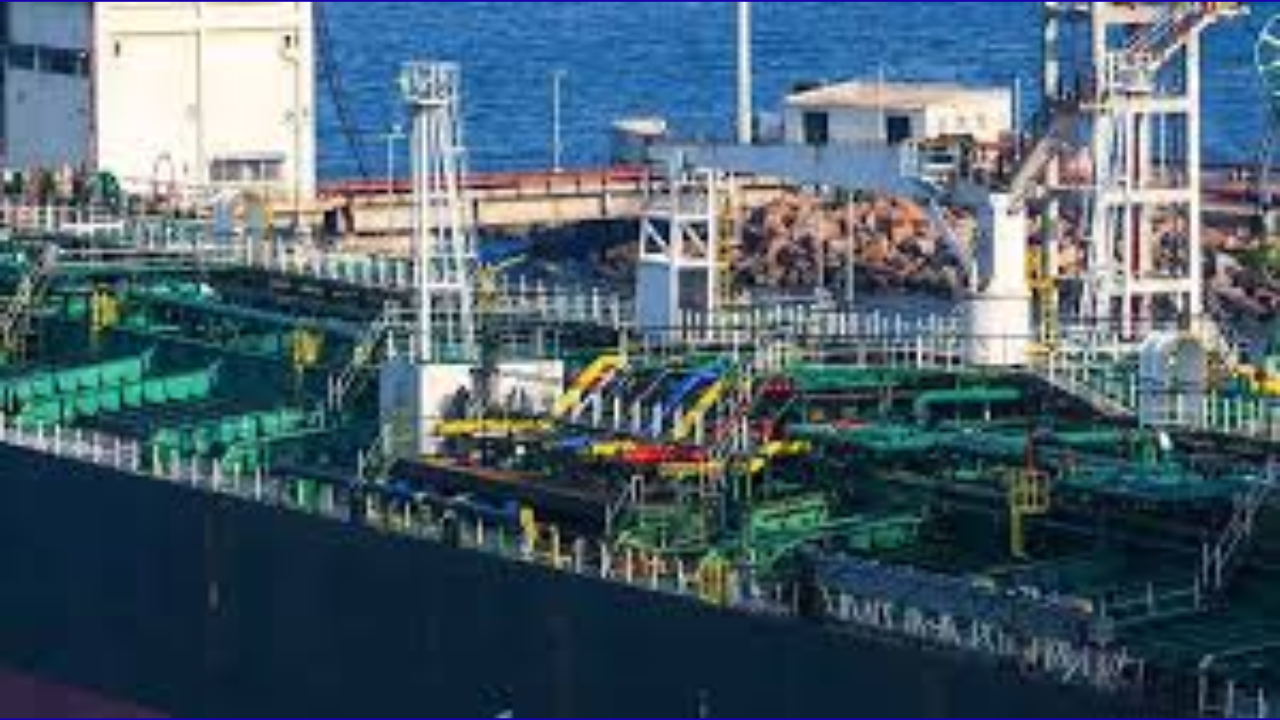
- Clearing the Seas: Permission for countries to purchase Russian oil already loaded on vessels at sea.
- Price Pressure: An effort to cool down Brent crude prices, which spiked following the February 2026 escalation in West Asia.
- Targeted Relief: Short-term waivers (such as the 30-day window for Indian refiners) designed to keep the global economy afloat without providing long-term financial windfalls to Moscow.
The Big Picture
While Washington frames these waivers as a temporary necessity to offset the Iranian supply shock, Russia is seizing the narrative. For Dmitriev and the Kremlin, the move is proof that Western sanctions have hit a “ceiling of reality” where economic stability outweighs geopolitical posturing.
Bottom Line: Russia is positioning itself as the “stabilizer of last resort,” even as the U.S. insists these measures are a one-off response to the chaos in the Strait of Hormuz.