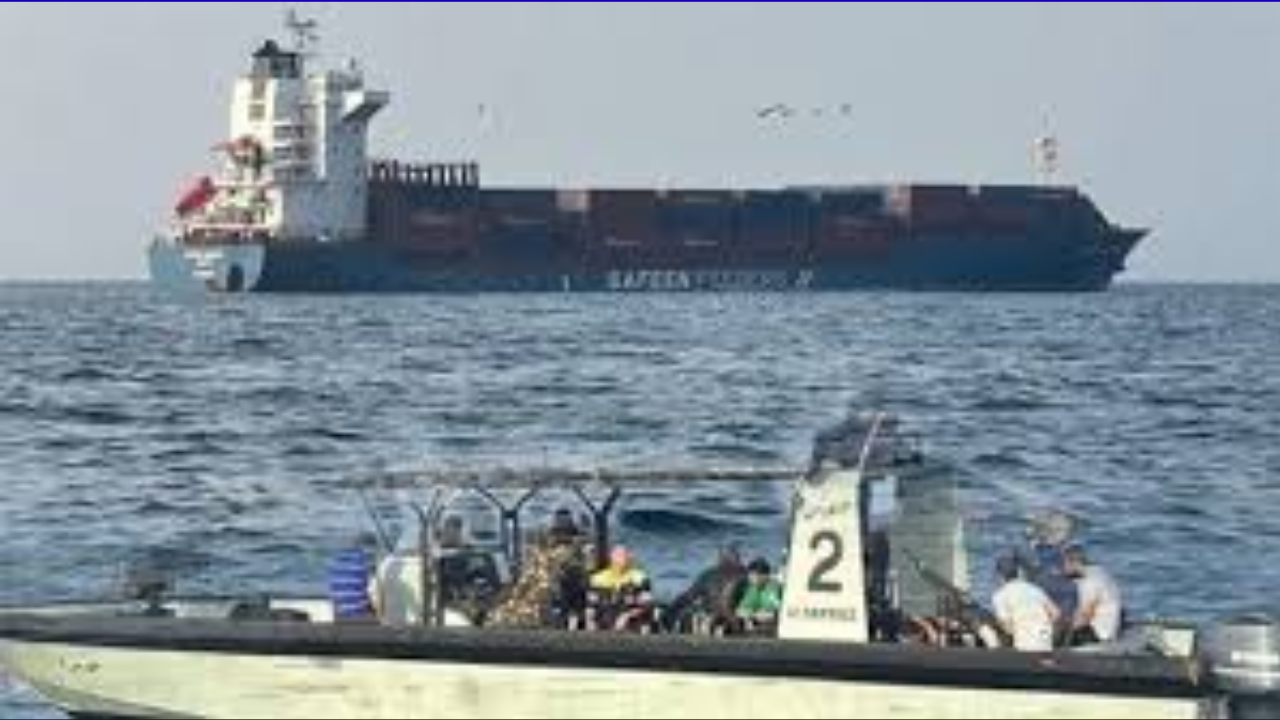
The Strait of Hormuz is widely considered the world’s most important “oil artery.” Measuring just 33 km at its narrowest point, this gateway connects the Persian Gulf to the global ocean, serving as the primary exit for the Middle East’s vast energy reserves.
Thank you for reading this post, don't forget to subscribe!1. The Global Energy Engine
The Strait’s economic significance is unmatched by any other maritime passage. As of early 2026, the data remains staggering:
- Oil Transit: It handles approximately 20 million barrels per day (bpd), representing roughly 25% of all seaborne oil trade.
- LNG Monopoly: It is the exclusive route for nearly 20% of the world’s Liquefied Natural Gas (LNG). Major exporters like Qatar have no viable alternative path to reach global markets.
- Asian Markets: China, India, Japan, and South Korea rely on this passage for over 80% of their energy imports.
2. A Geography of Constraints
Unlike other trade routes, Hormuz has no true “Plan B.” While pipelines exist in Saudi Arabia and the UAE, they can only bypass a fraction of the total volume. For LNG, there is zero bypass capacity; if the Strait closes, the supply simply stops.
3. Geopolitical Vulnerability
Because shipping lanes fall within the territorial waters of Iran and Oman, the Strait is a frequent flashpoint for international conflict.
- Leverage: The threat of closure has historically been used as a diplomatic and military “oil weapon.”
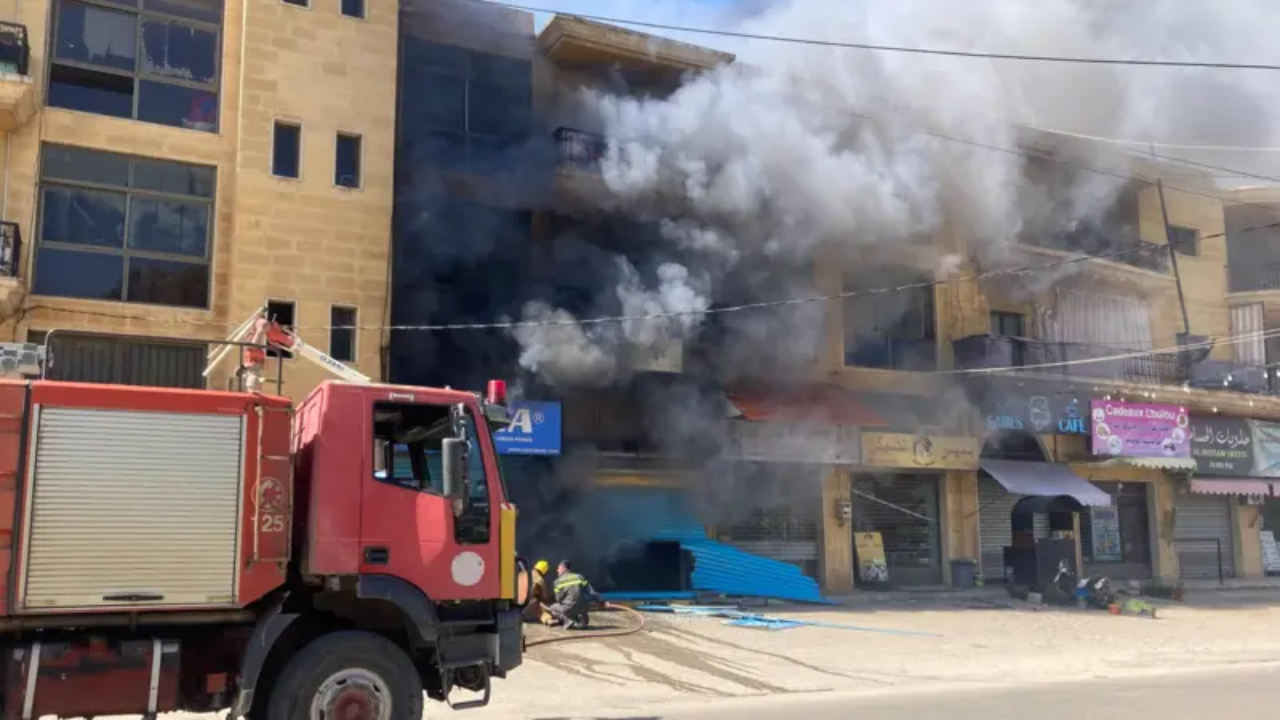
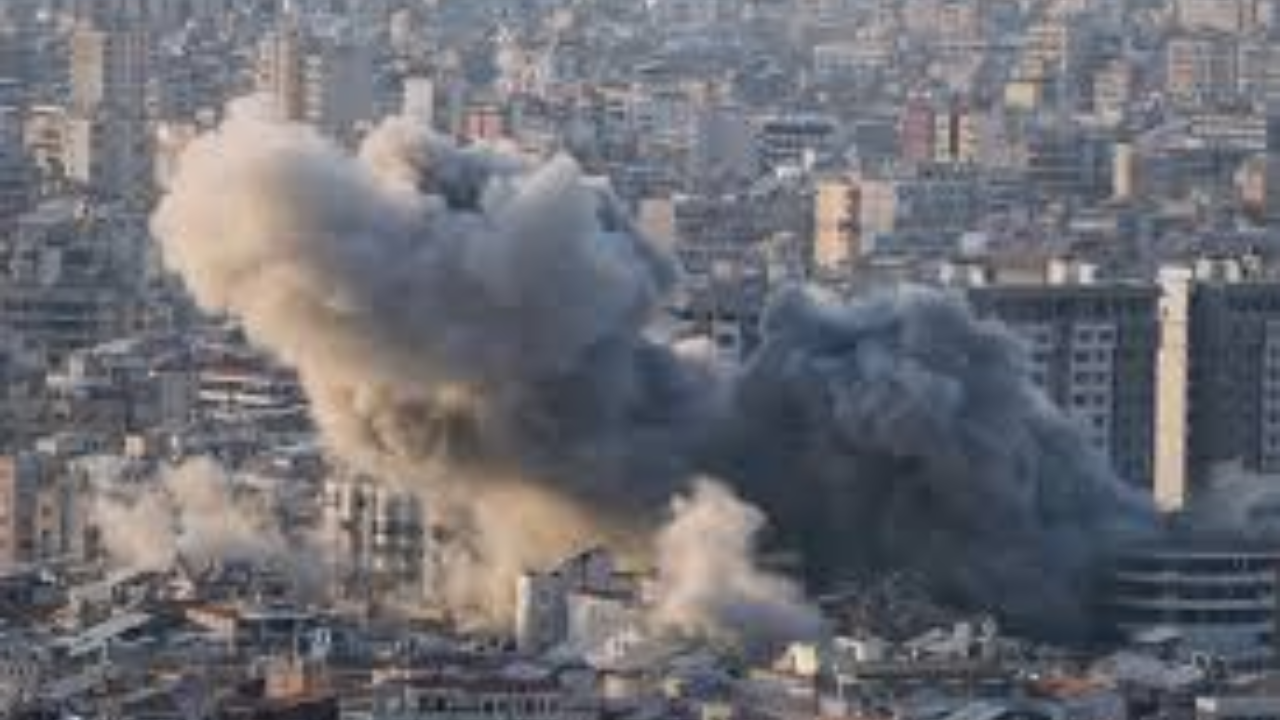
- 2026 Crisis: Recent military escalations have seen shipping traffic plummet by nearly 97%. This de facto closure has pushed Brent crude prices north of $90 per barrel and sent shipping insurance costs to record highs.
4. Beyond the Gas Pump
The impact of a Hormuz disruption ripples far beyond energy:
- Agriculture: About one-third of global seaborne fertilizer (urea and phosphates) transits the Strait.
- Economic Stability: Current disruptions are directly contributing to a spike in global food prices and supply chain inflation, proving that when the Strait “sneezes,” the global economy catches a cold.