As the regional conflict enters its second week of intense escalation, the landscape of southern Lebanon has been fundamentally altered. BBC correspondents on the scene describe a harrowing environment of targeted strikes and a rapidly mounting humanitarian crisis.
Thank you for reading this post, don't forget to subscribe!The Current Situation
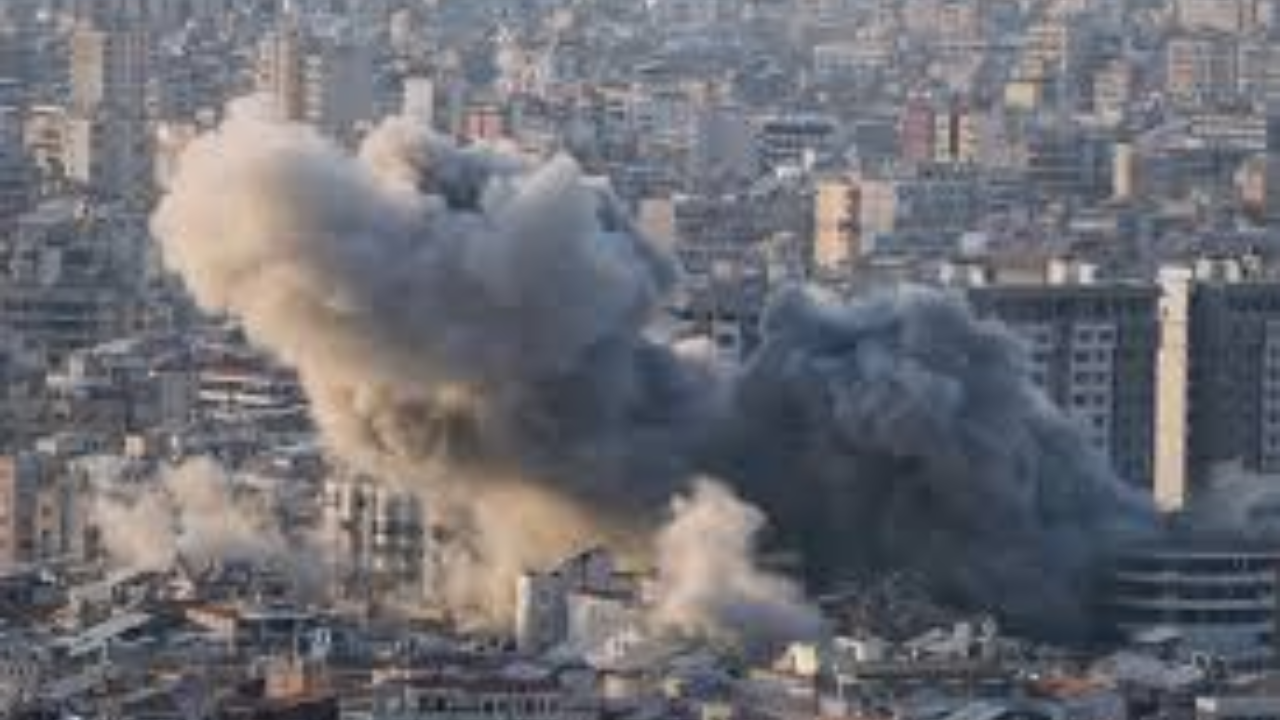
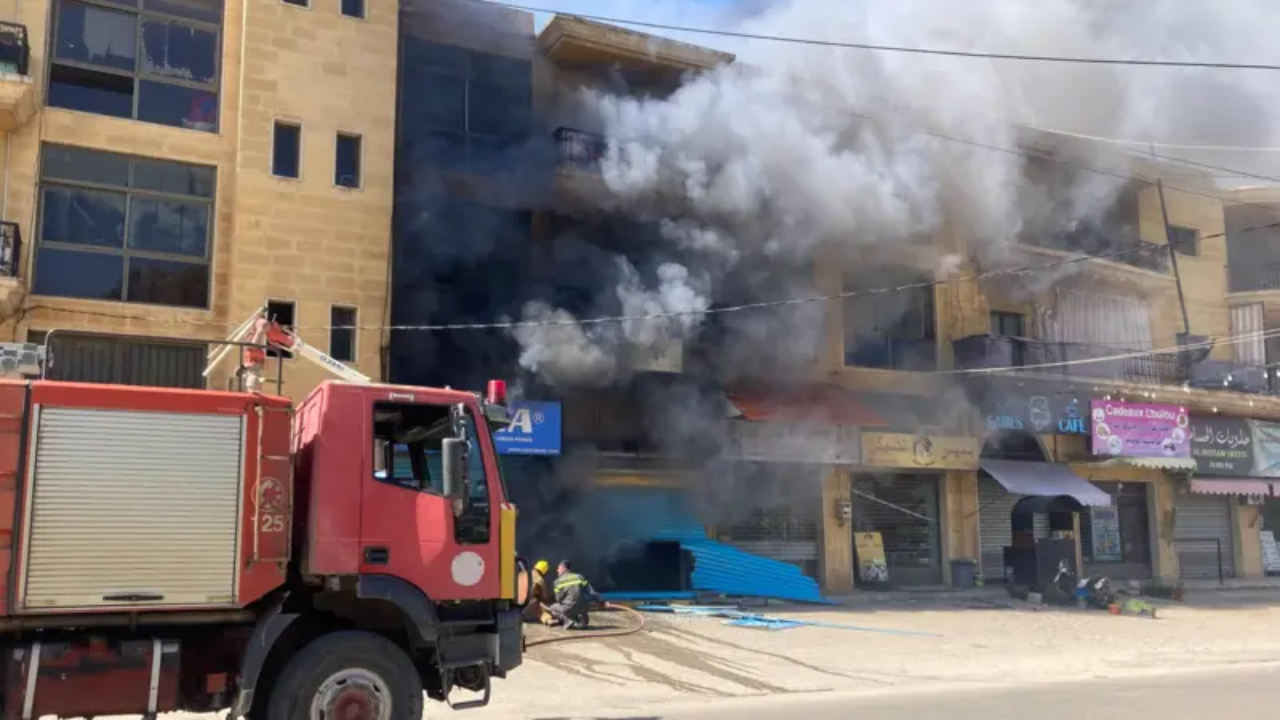
- Devastation in Sir al-Gharbiyeh: BBC teams have verified widespread destruction in the village of Sir al-Gharbiyeh. Footage shows residents sifting through the ruins of residential blocks to recover basic necessities, marking the human cost of the campaign against IRGC-linked targets.
- Assault on Ain al-Hilweh: In a significant escalation, Israeli warplanes conducted dual raids on the Ain al-Hilweh refugee camp near Sidon. As Lebanon’s largest Palestinian settlement, the strike has triggered a fresh wave of displacement and panic within the crowded camp.
- The Humanitarian Toll: According to the Lebanese Health Ministry, the casualty count has reached 570 dead and over 1,444 injured. UNICEF officials have specifically highlighted a “staggering” loss of life among minors, with at least 83 children confirmed killed since March 2.
Strategic Context
The current violence stems from the total collapse of the 2024 ceasefire following the start of the U.S.-Israeli campaign on February 28, 2026. What began as a strategic operation against Iranian leadership has cascaded into a full-scale border war, with southern Lebanon serving as the primary kinetic front.
Key Data Summary
| Metric | Current Estimate (as of March 11) |
| Total Fatalities | 570+ |
| Total Wounded | 1,444 |
| Child Fatalities | 83 |
| Displacement | Ongoing (Major camps targeted) |
Note from the Field: Communication lines in the south remain intermittent, and the number of casualties is expected to rise as rescue teams reach the more remote strike zones near the border.