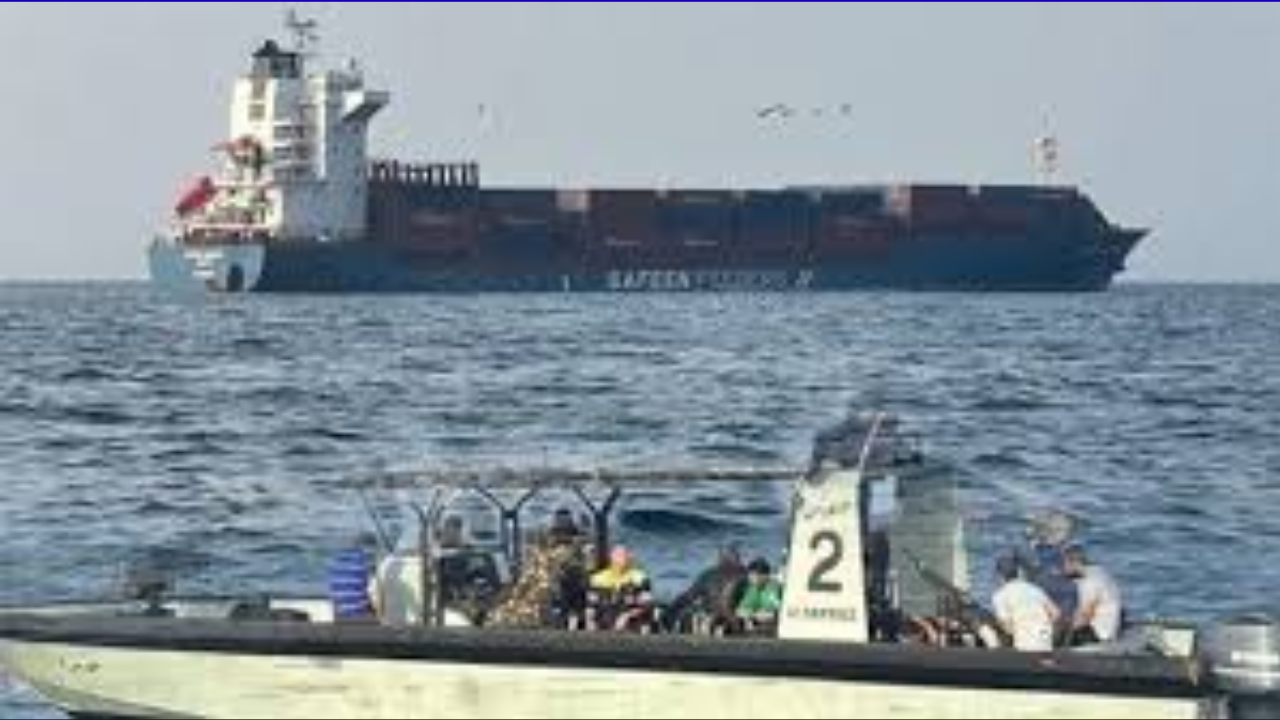
The Middle East has transitioned into a full-scale regional conflict following the death of Iran’s Supreme Leader and the subsequent launch of “Operation Epic Fury.” As of March 11, 2026, military operations have expanded across the Strait of Hormuz, Lebanon, and the Iranian heartland.
Thank you for reading this post, don't forget to subscribe!1. The Naval Front: Neutralizing the Mine Threat
U.S. Central Command (CENTCOM) confirmed the destruction of 16 Iranian mine-laying vessels in the Strait of Hormuz.
- Tactical Goal: Preventing Iran from completely choking off global energy supplies.
- The Fallout: With shipping traffic down 97%, the global economy is bracing for a sustained disruption in the oil trade.
2. The Northern Front: Lebanon Under Fire
Israel has intensified its air campaign against Hezbollah targets in Beirut’s southern suburbs.
- The Paradox: While the Lebanese government has officially banned Hezbollah’s military activity, the group continues to launch mass drone and missile salvos into Israel.
- Humanitarian Cost: Over 58,000 civilians have been displaced in Lebanon this week alone as Israel targets IRGC-linked infrastructure.
3. The Domestic Front: Iran in Turmoil
Internal stability in Iran is fracturing under the weight of airstrikes and political transition.
- Succession: Mojtaba Khamenei has reportedly assumed the role of Supreme Leader, inheriting a nation under siege.
- Civil Unrest: Protests have surged across major cities. In response, Iranian security forces have been authorized to use lethal force against “internal enemies.”
4. Global Economic Shock
The “Second Iran War” is felt globally as oil prices breach the $100-per-barrel mark. Interceptions of missiles over Saudi Arabia and the UAE have further heightened fears of a broader energy infrastructure collapse.