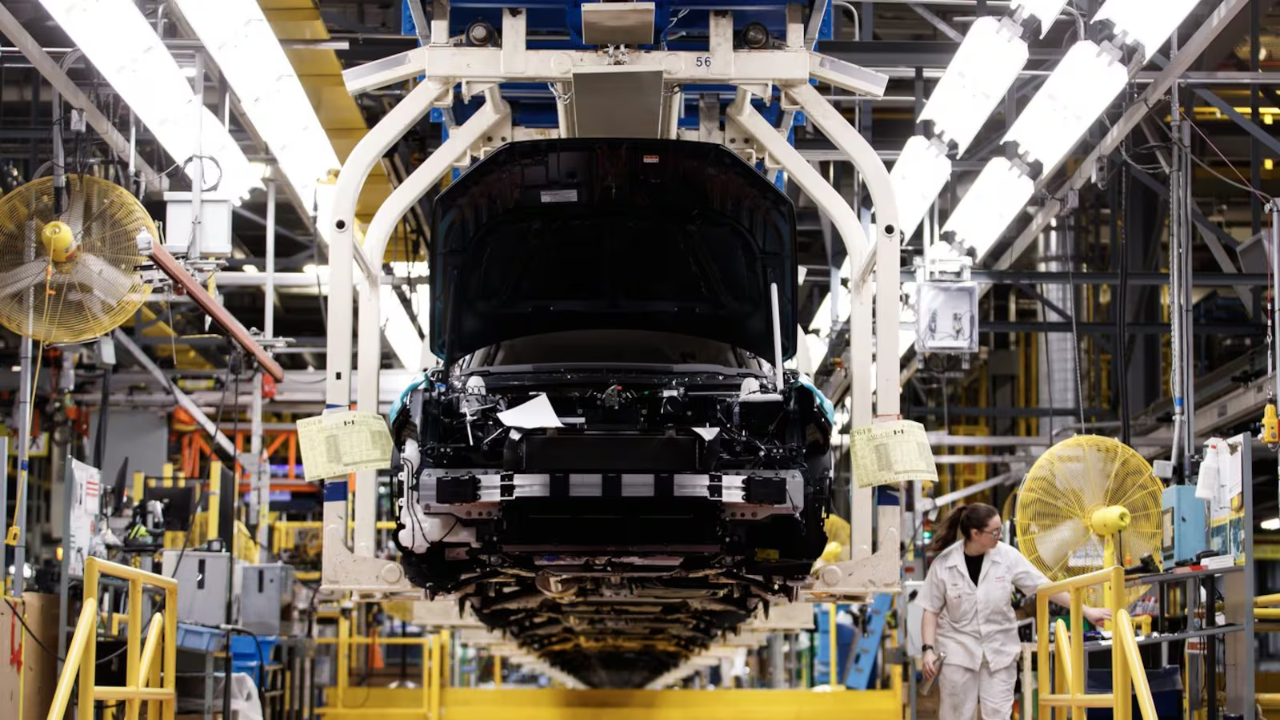
In a strategic move to bolster domestic manufacturing, the Canadian federal government has granted an unnamed automaker an increased quota for tariff-free vehicle imports from the United States. This decision, formalized in late February 2026, serves as a direct incentive for companies that prioritize Canadian factory output.
Thank you for reading this post, don't forget to subscribe!The “Reward” Strategy
Under Canada’s current trade framework, automakers can receive remissions—waiving the standard 25% import duty on certain U.S.-made vehicles—if they meet specific domestic investment milestones.
- Performance-Based: The automaker requested the hike after its 2025 production and sales figures in Canada significantly outperformed initial government forecasts.
- A “Pro-Investment” Stance: Industry Minister Mélanie Joly framed the move as a clear message to global brands: “We will support those who invest in us.”
- Potential Beneficiaries: While the specific company remains confidential, the government highlighted Honda and Toyota as model examples of manufacturers expanding their Canadian footprints.
The Contrast: Penalizing Disinvestment
This “carrot” approach follows a series of “sticks” used against automakers that scaled back their Canadian operations in late 2025:
| Manufacturer | Action Taken | Reason for Penalty |
| Stellantis | 50% Quota Cut | Moved Jeep Compass production from Ontario to Illinois. |
| General Motors | 24.2% Quota Cut | Ceased production of BrightDrop electric vans in Ontario. |
| Unnamed Maker | Quota Increase | Exceeded Canadian production and investment targets. |
The Bigger Picture
As the USMCA faces its scheduled review in 2026, Canada is aggressively using these import quotas to protect its middle-class manufacturing jobs. By tying market access directly to factory floor activity, the government is attempting to prevent “production flight” to the U.S. and Mexico.