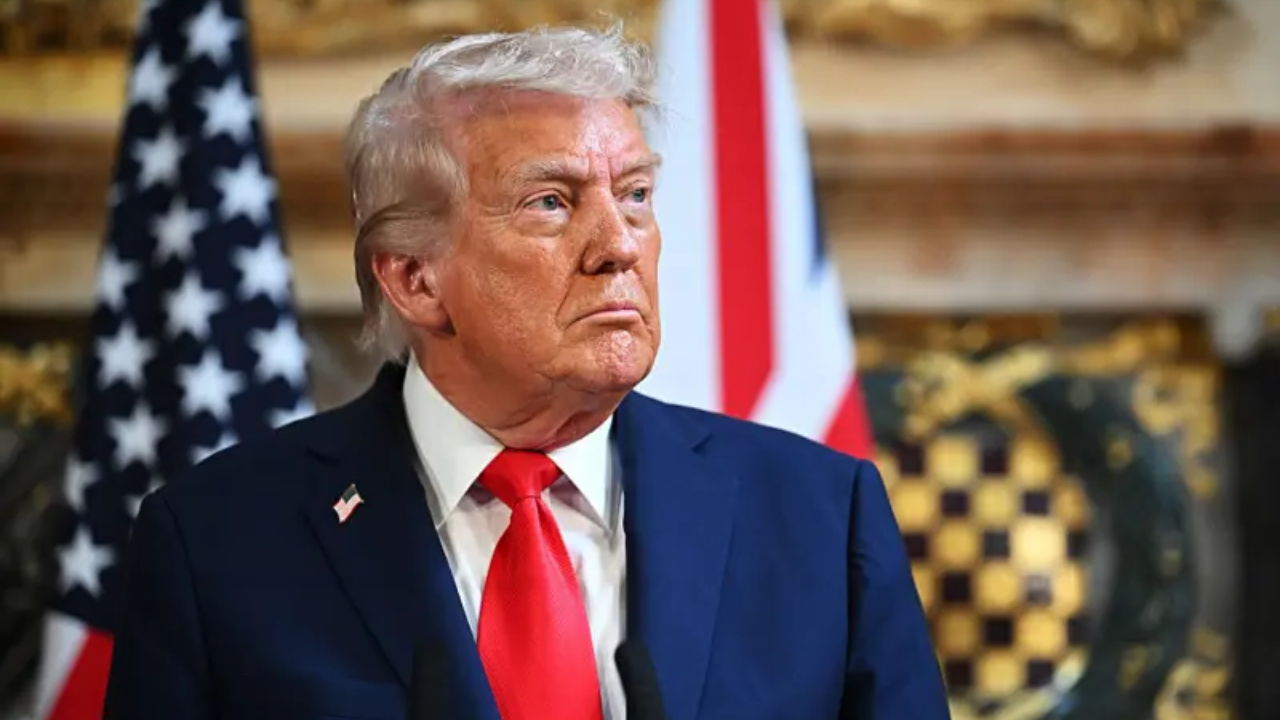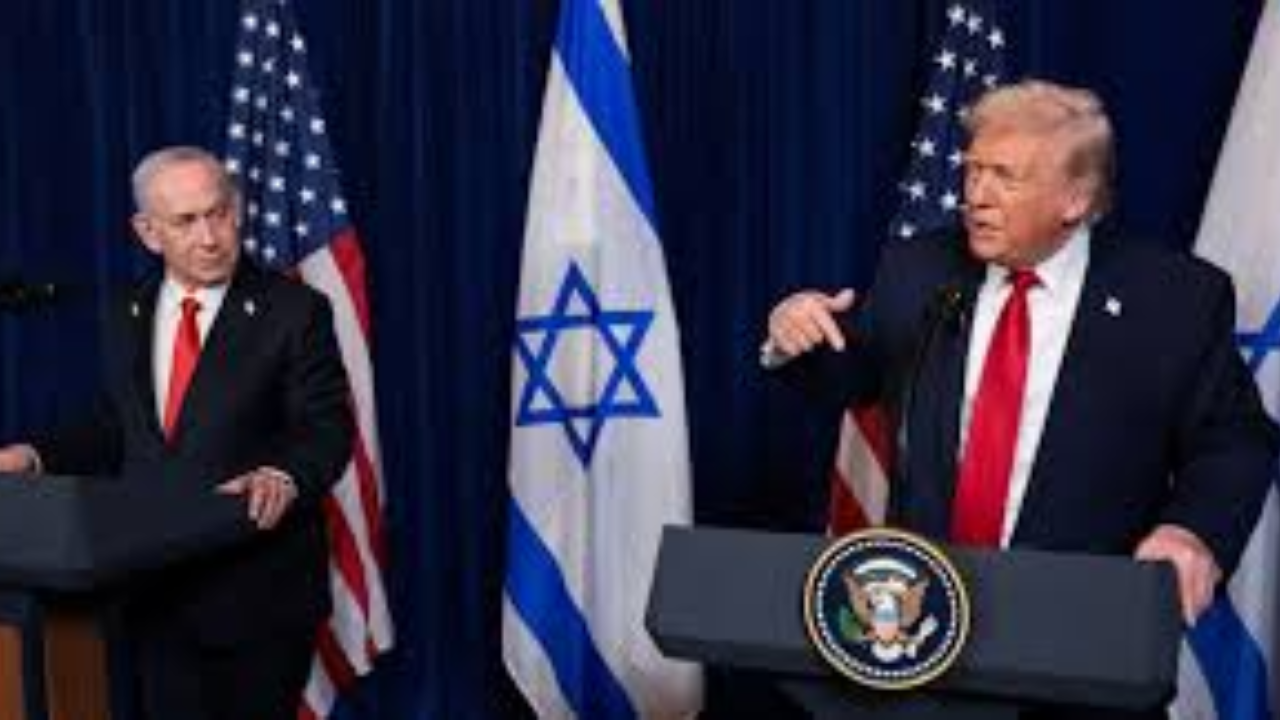
President Donald Trump signaled a unified front regarding the ongoing military operations in the Middle East, stating that the decision to conclude the campaign against Iran will be made in direct “mutual” consultation with Israeli Prime Minister Benjamin Netanyahu.
Thank you for reading this post, don't forget to subscribe!Strategic Coordination
In a recent sit-down with The Times of Israel, Trump emphasized that the U.S. and Israel are moving in lockstep. While he acknowledged the collaborative nature of the exit strategy, he hinted that the U.S. would likely define the ultimate “right time” to stop, ensuring that regional security objectives are fully met before a withdrawal.
The Current Landscape
The conflict, which escalated following the joint strikes on February 28, 2026, remains at a critical juncture:
- Total Victory: Trump has maintained a firm stance on “unconditional surrender,” dismissing the possibility of a brokered compromise with the current Iranian leadership.
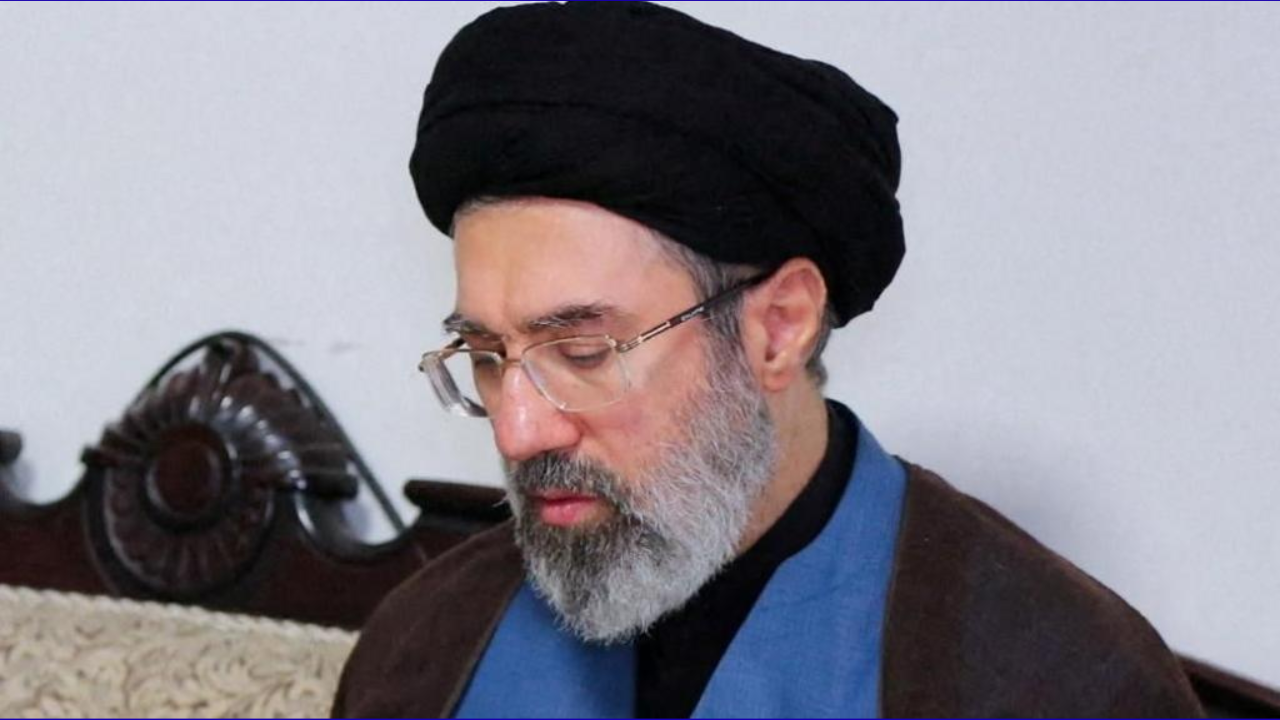
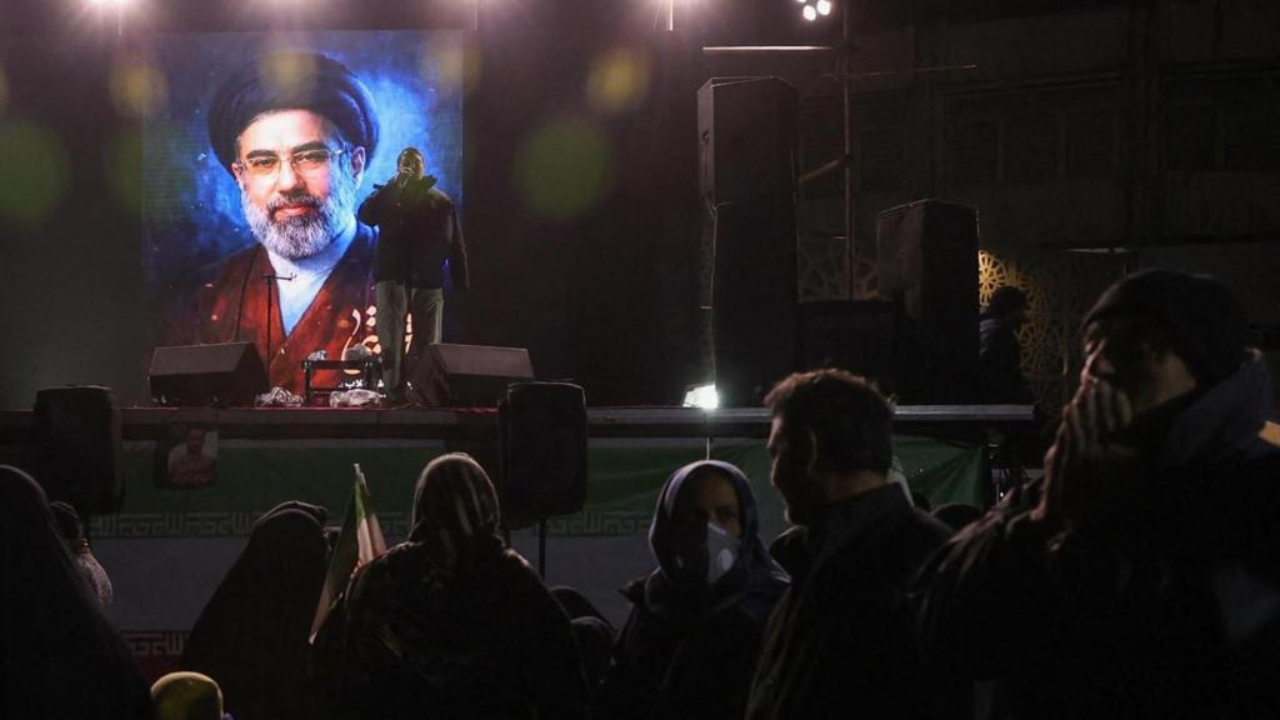
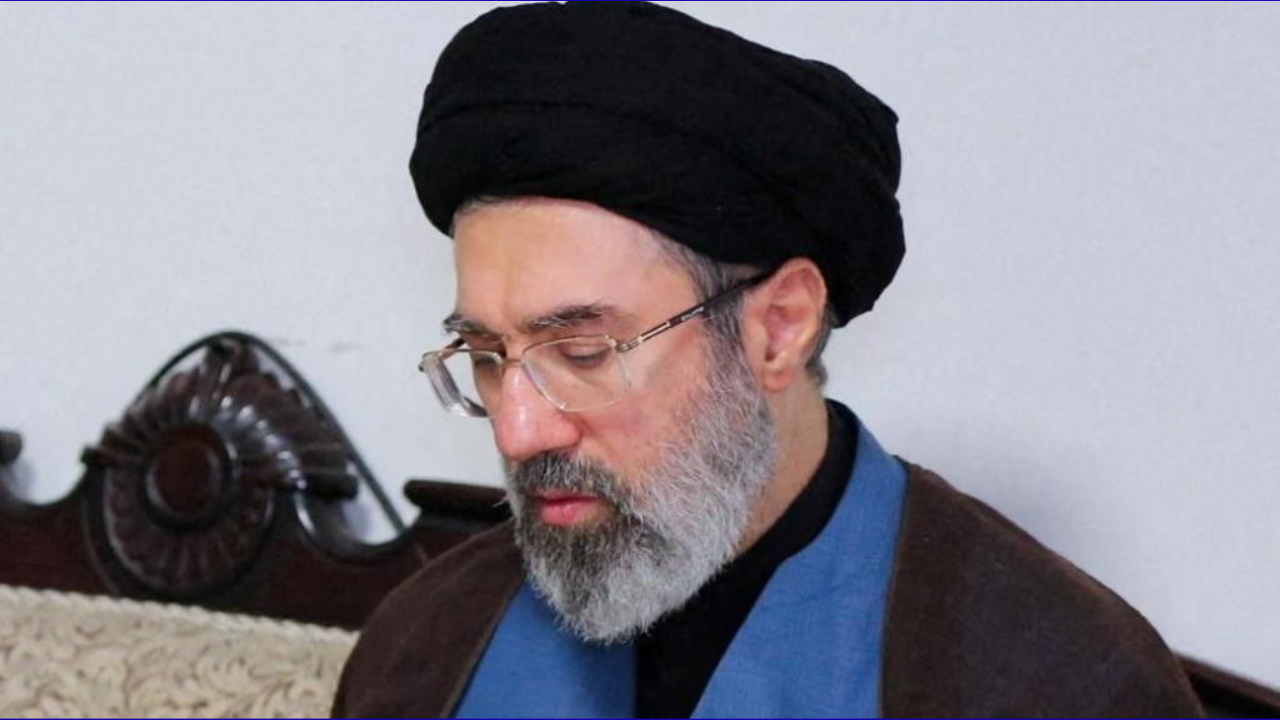
- The Transition of Power: Following the death of Ali Khamenei, the U.S. has expressed deep skepticism toward his successor, Mojtaba Khamenei, with Trump suggesting the new leadership lacks the “approval” necessary for long-term stability.
- Domestic Support: Trump has also publicly urged Israeli President Isaac Herzog to grant Netanyahu a “full pardon” regarding his legal battles, arguing that a Prime Minister focused on war shouldn’t be distracted by the courtroom.
Global Consequences
The uncertainty of a “mutual” end date has sent ripples through the global economy. With no firm timeline established:
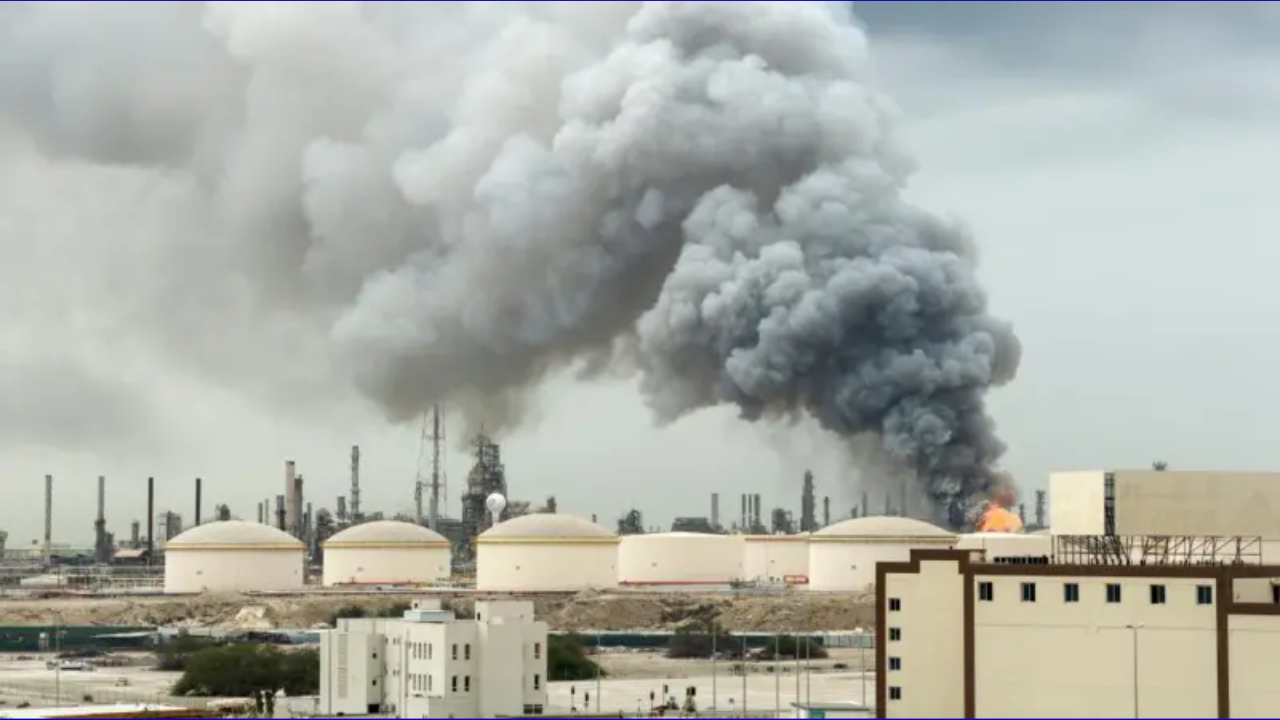
- Energy Markets: Oil remains volatile, trading above $100 per barrel.
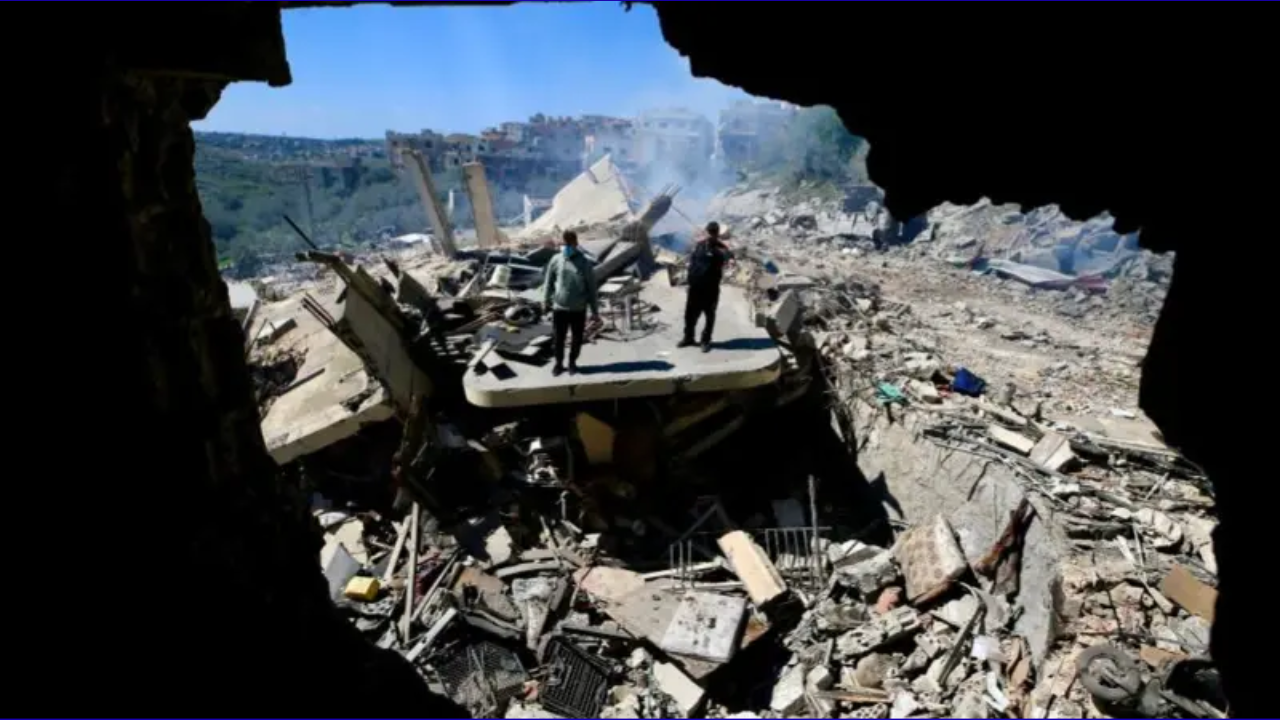
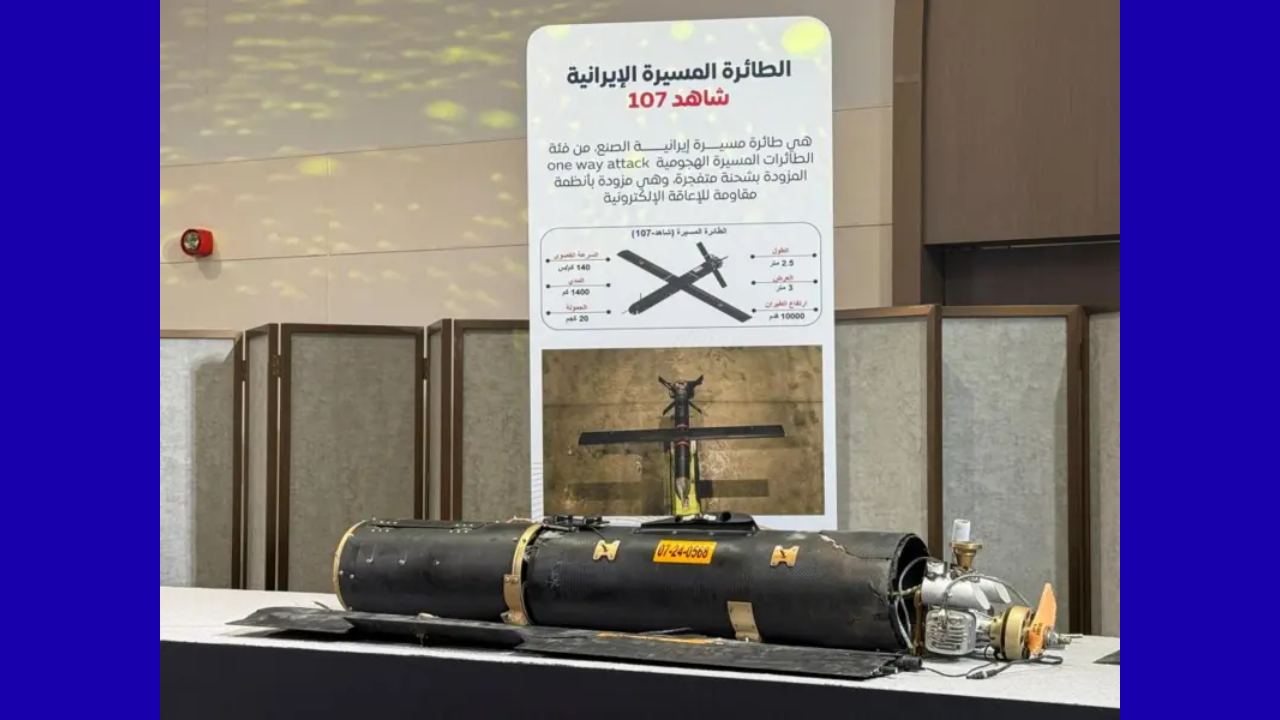
- Military Scope: Operations continue to span multiple fronts, including Lebanon and Gaza, as part of the broader “Operation Roaring Lion.”