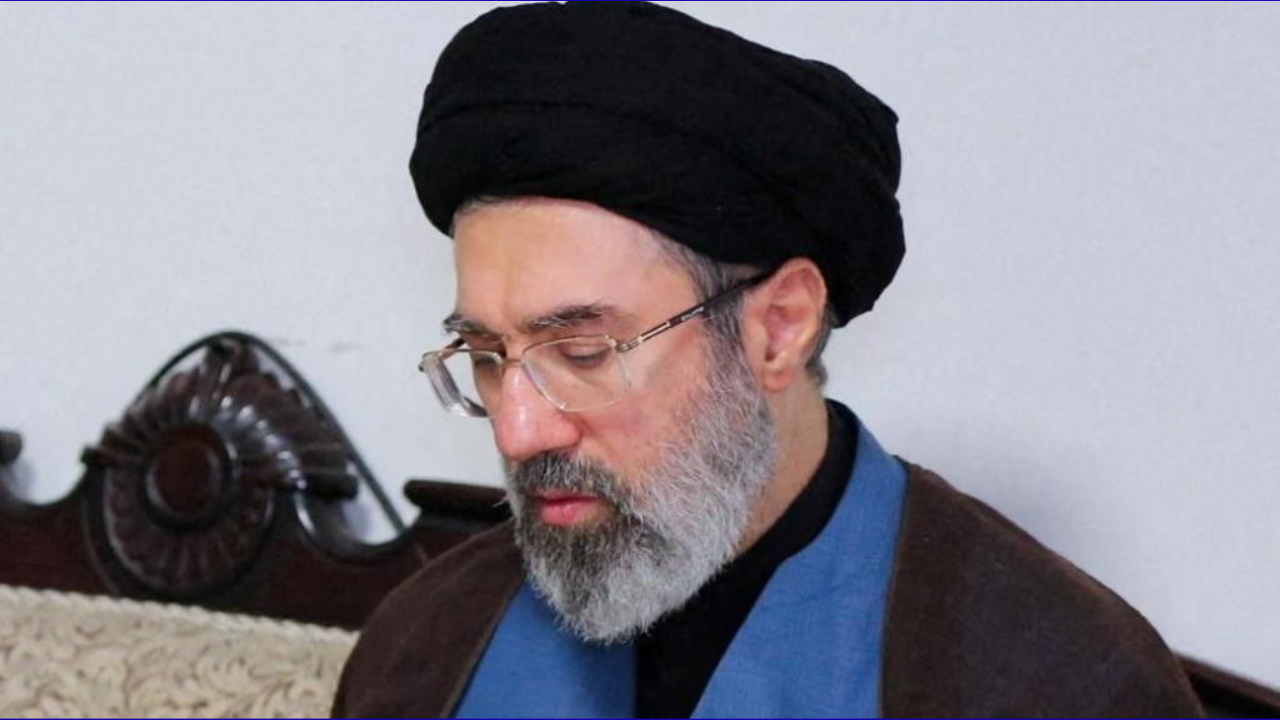
The geopolitical landscape of the Middle East has been permanently altered following the appointment of Mojtaba Khamenei as Iran’s Supreme Leader on March 8, 2026. This transition, born out of the chaos of regional warfare, has sent shockwaves through the global economy.
Thank you for reading this post, don't forget to subscribe!The New Leadership in Tehran
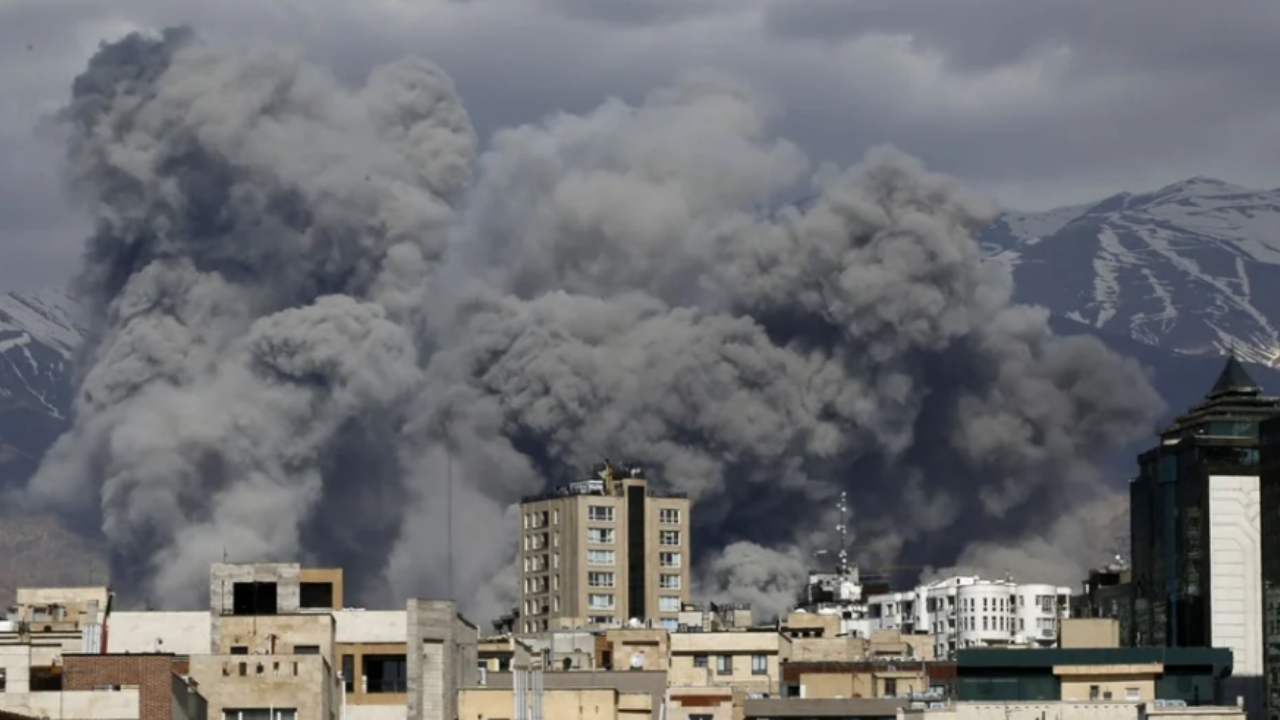
- A Fractured Mandate: The Assembly of Experts finalized the succession under duress. With physical headquarters in Tehran and Qom severely damaged by airstrikes, the vote was conducted virtually—a first in the history of the Islamic Republic.
- The IRGC Connection: Experts view Mojtaba’s appointment as a strategic move by the Islamic Revolutionary Guard Corps (IRGC) to maintain a hardline stance. His deep-rooted influence within the security apparatus suggests a leadership defined by military strength rather than clerical diplomacy.
- A Personal Vendetta: Having reportedly lost family members in the same strike that killed his father, Mojtaba’s leadership is expected to prioritize retaliation over de-escalation.
Energy Markets in Turmoil
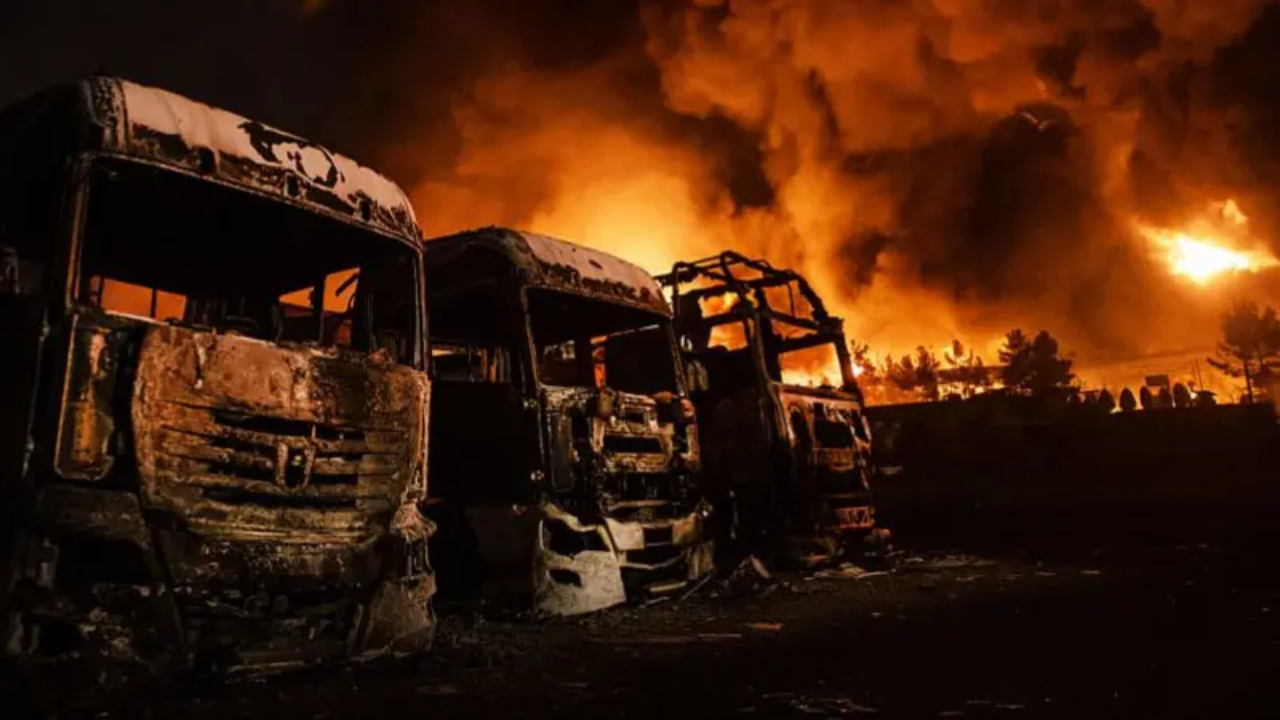
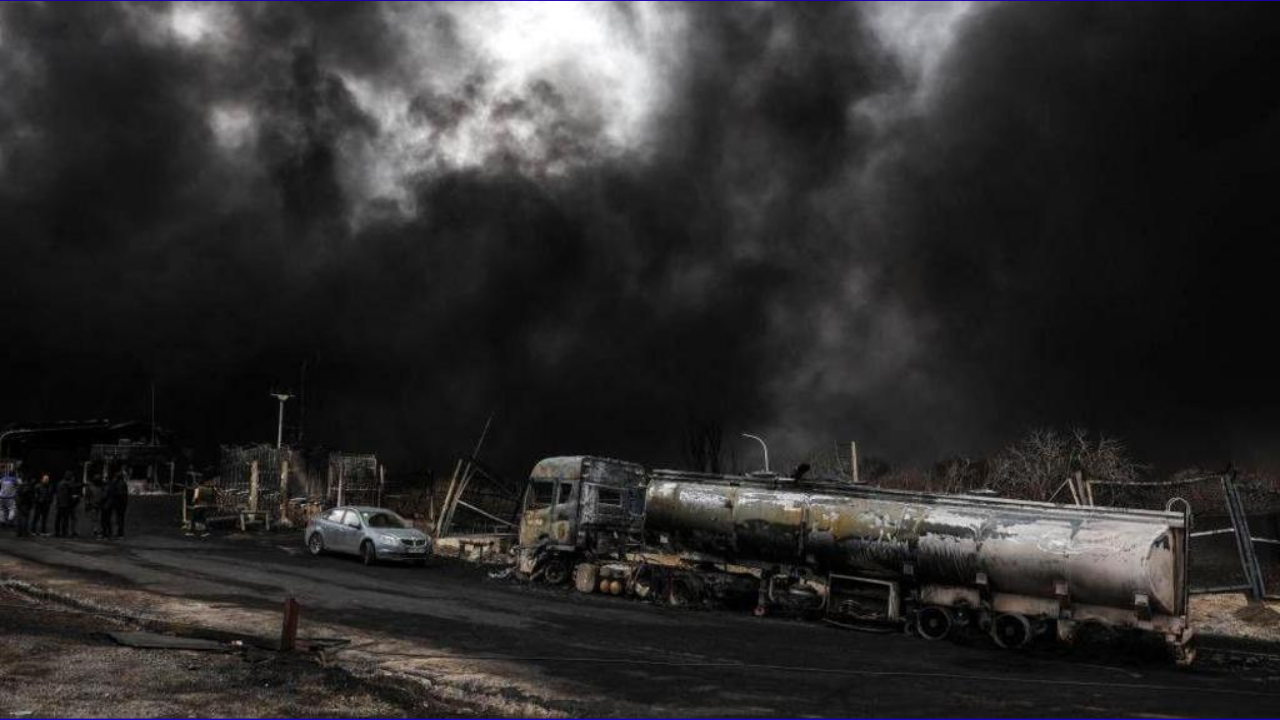
The instability in the world’s primary oil-producing corridor has triggered a massive price spike. As of March 9, the energy sector is facing its most volatile period in years.
| Market Indicator | Current Impact |
| Brent Crude | Trading at over $114/barrel. |
| WTI Crude | Surged to $114/barrel, a 26% overnight increase. |
| Hormuz Chokepoint | Maritime traffic is down 80% due to active combat zones. |
| Global Output | Supply from the UAE, Iraq, and Kuwait is heavily restricted by logistics. |
Analyst Note: While the U.S. maintains that these prices are a temporary side effect of “surgical military objectives,” the global market remains skeptical, fearing a long-term inflationary spiral if the Strait of Hormuz remains contested.
The Diplomatic Deadlock
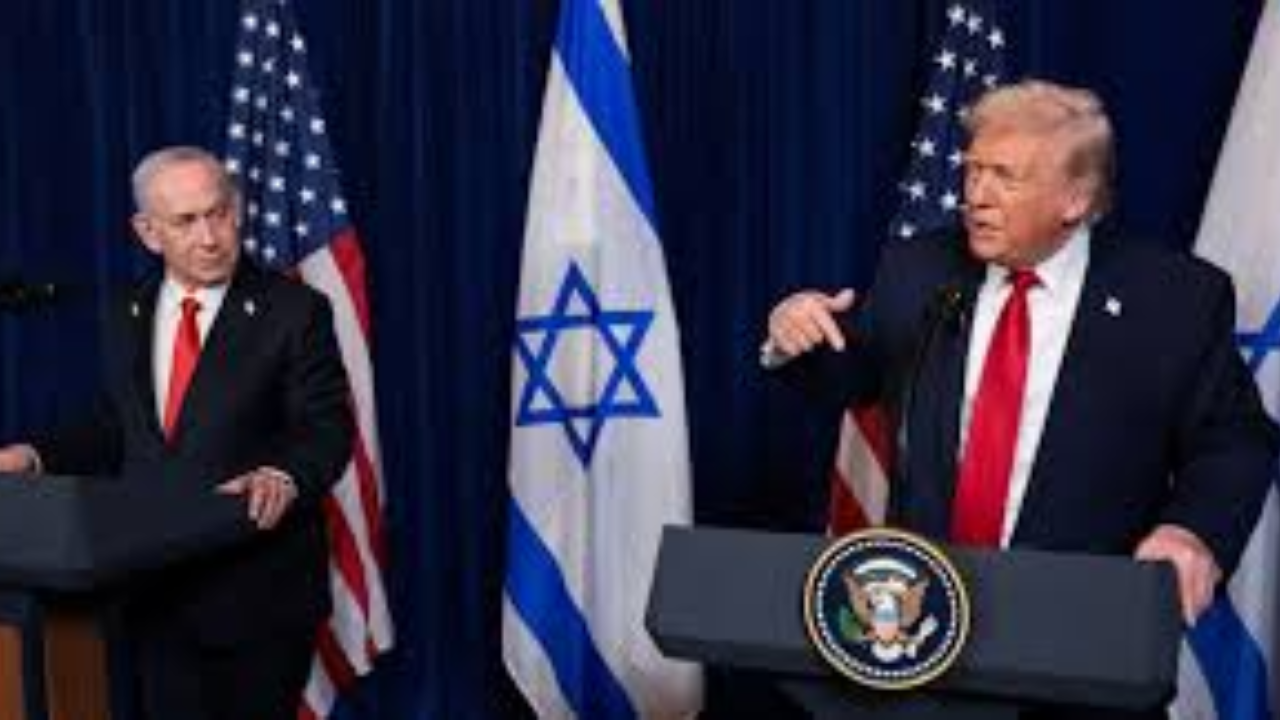
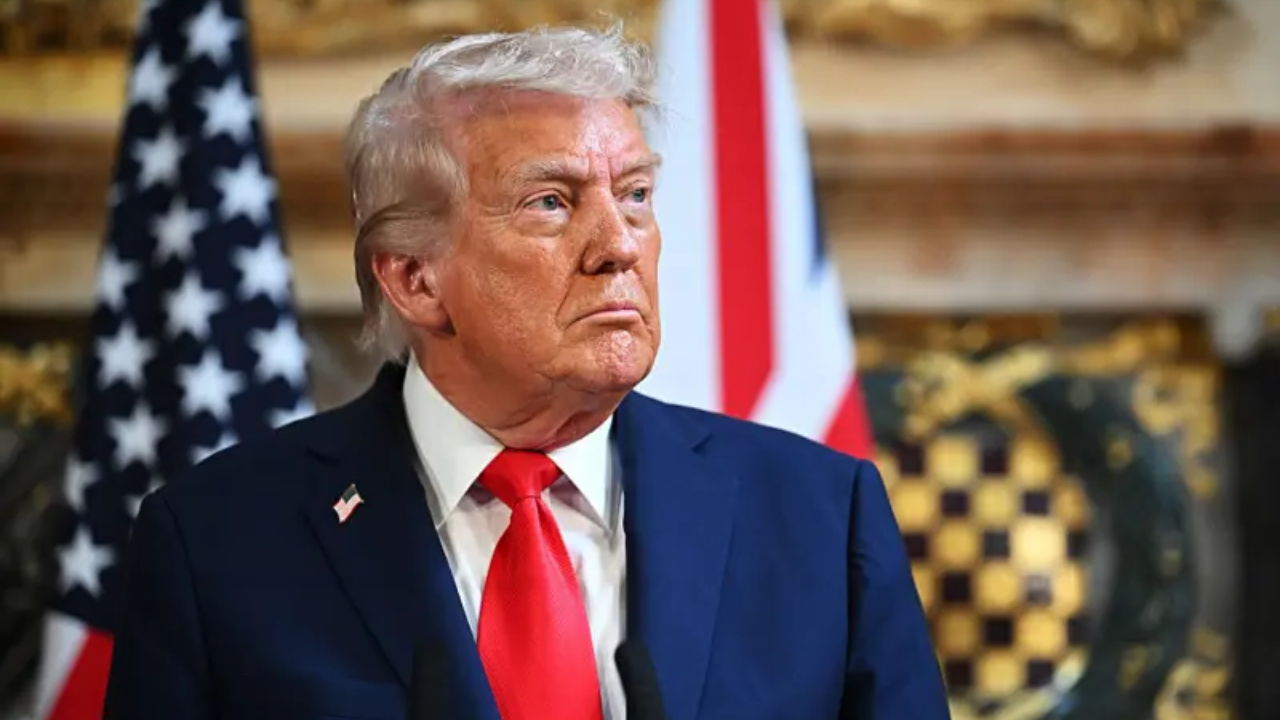
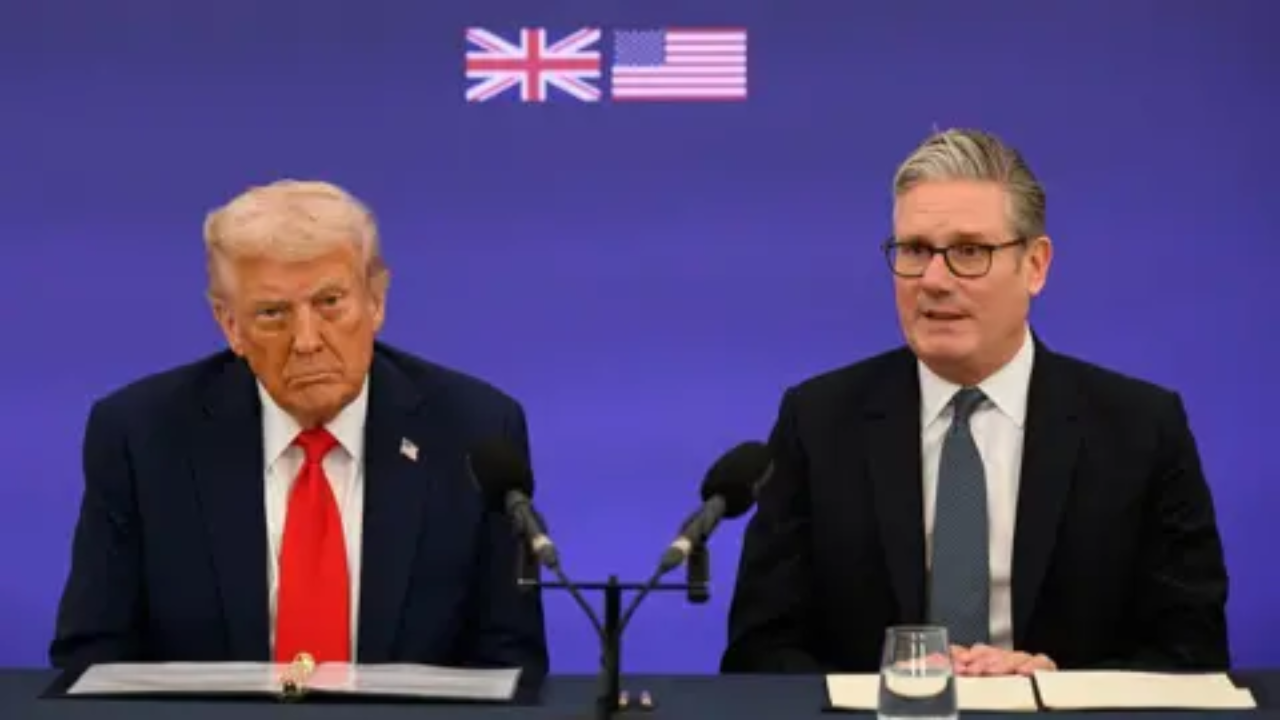
The international response has been swift and polarizing. U.S. President Donald Trump has refused to recognize the new leadership, labeling the succession “unacceptable.” Meanwhile, the IDF has signaled that the change in leadership will not alter its mission to dismantle Iran’s nuclear and military infrastructure.