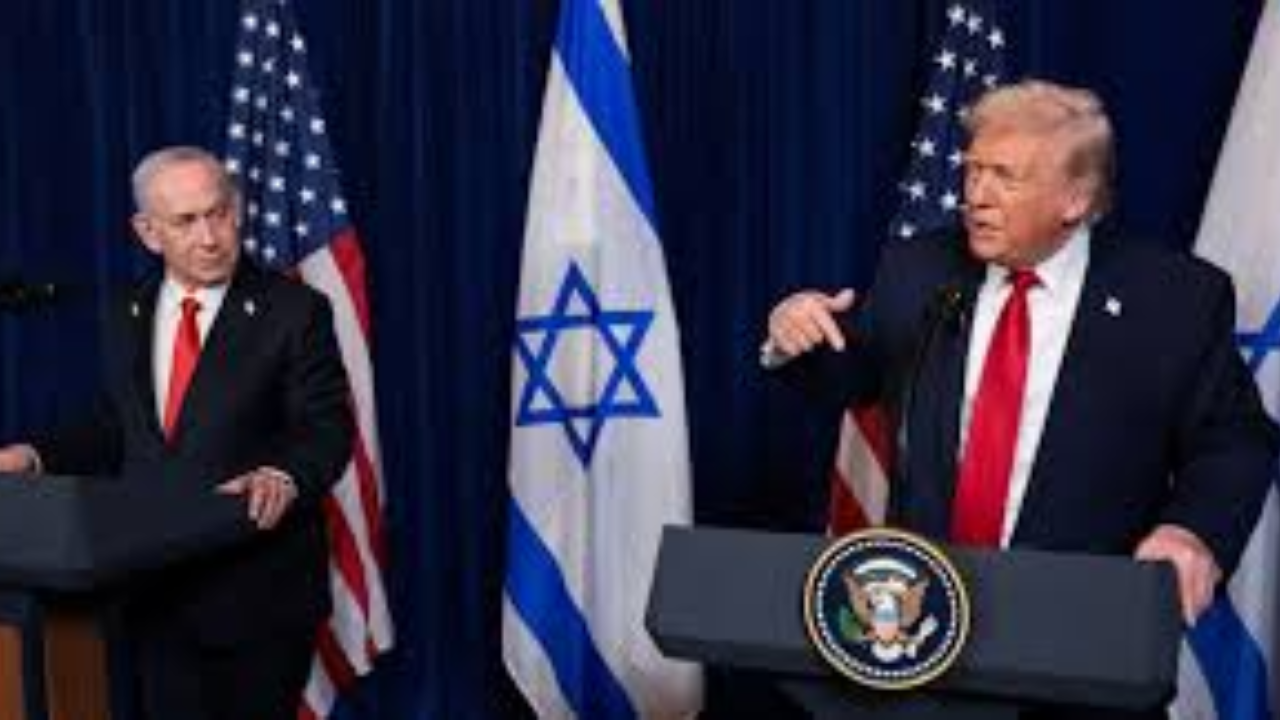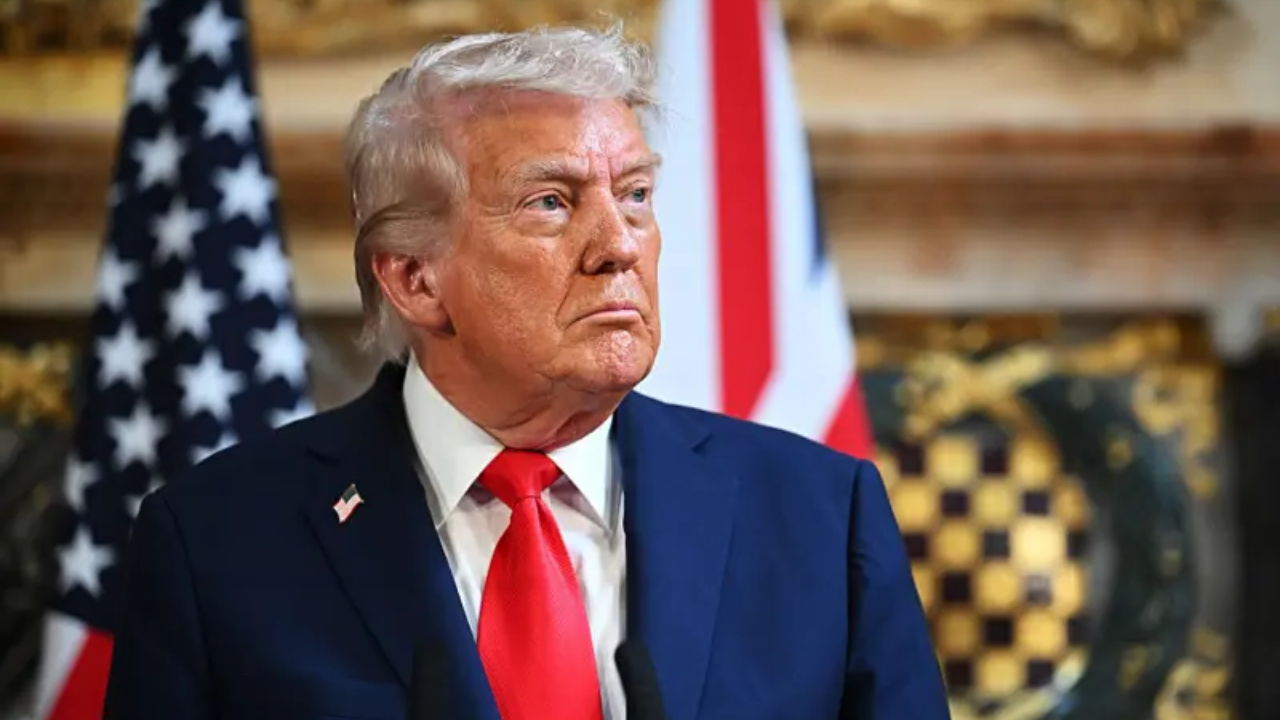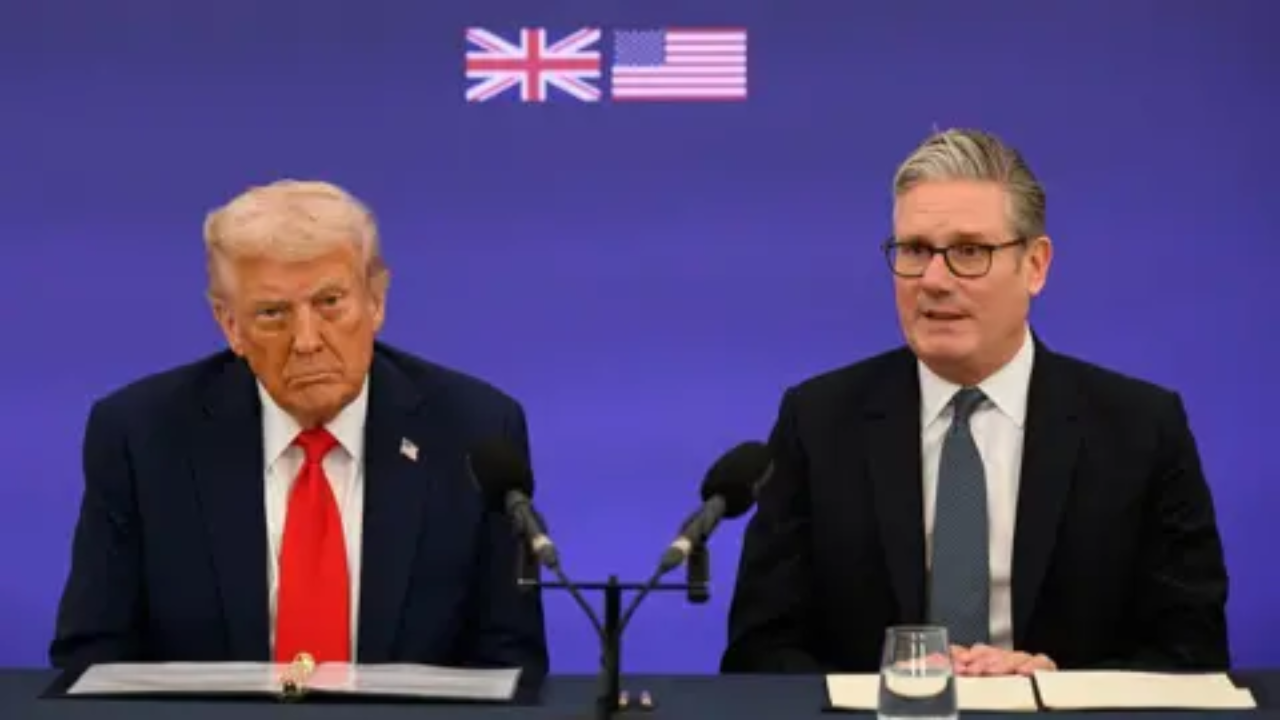
President Donald Trump took a direct swipe at UK Prime Minister Keir Starmer, accusing him of trying to “join wars after we’ve already won.” The remark marks a new low in U.S.-UK relations, following a week of high-stakes diplomatic friction over military strategy in the Middle East.
Thank you for reading this post, don't forget to subscribe!The Core of the Dispute
The tension boils down to Starmer’s hesitation to give the U.S. “carte blanche” over British military assets.
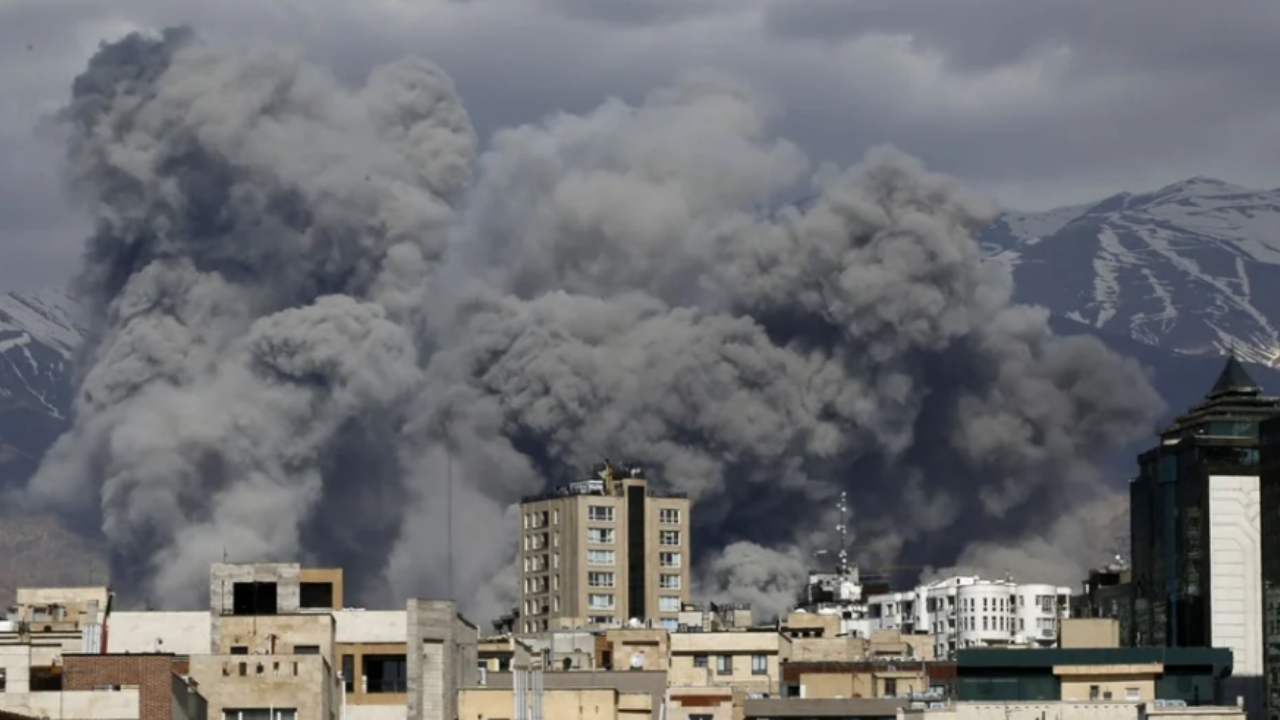
- The Base Bottleneck: Trump was reportedly infuriated when Starmer initially restricted the use of British bases (like RAF Fairford and Diego Garcia) for offensive strikes against Iran, citing the need for a “clear legal basis.”
- The “Defensive” Distinction: While Starmer eventually agreed to support “defensive operations”—like shooting down incoming missiles—he has refused to participate in offensive maneuvers aimed at regime change.
- The Carrier Jab: After the UK announced it was prepping the HMS Prince of Wales for potential deployment, Trump dismissed the move as too little, too late. He wrote: “We don’t need them any longer—But we will remember.”
A Clash of Styles
The rhetoric highlights a massive personality and policy gap between the two leaders:
“He is not Winston Churchill.” > — Donald Trump, reportedly speaking to German Chancellor Friedrich Merz regarding Starmer.
| Feature | Trump’s Stance | Starmer’s Stance |
| Strategy | Relentless, rapid offensive strikes. | “Cool-headed” de-escalation. |
| Legality | Result-oriented (“The war is won”). | Process-oriented (International law). |
| Optics | Dominance and loyalty. | Sovereignty and British interests. |
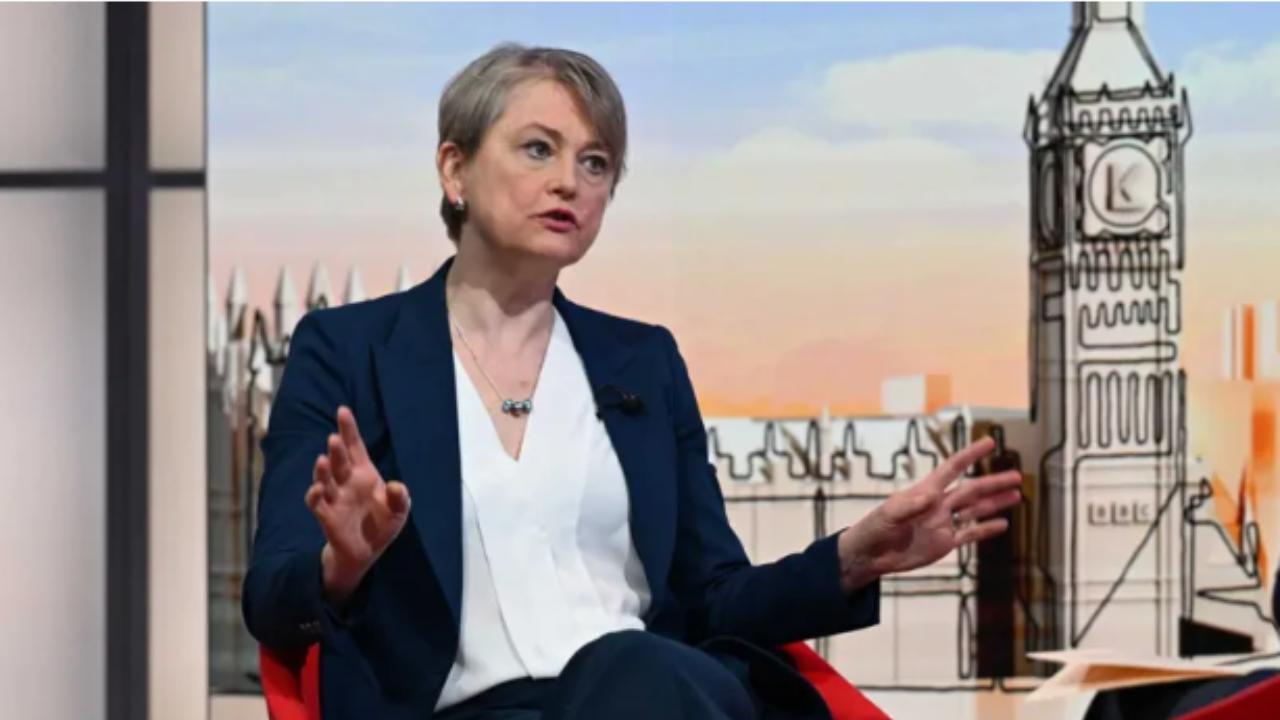
Domestic Consequences
Starmer is now fighting a two-front war at home. Conservative leader Kemi Badenoch has criticized the PM for “weakness” that risks alienating the UK’s most important ally, while his own backbenchers are wary of being dragged into a broader conflict.