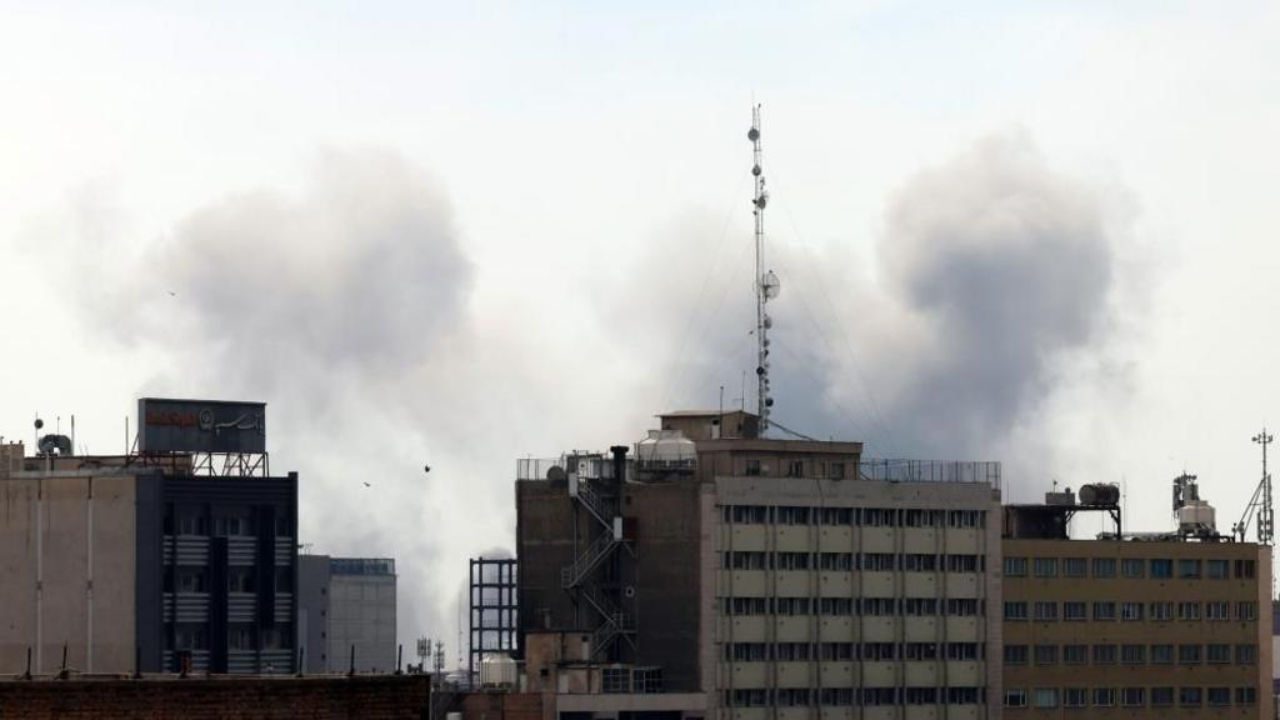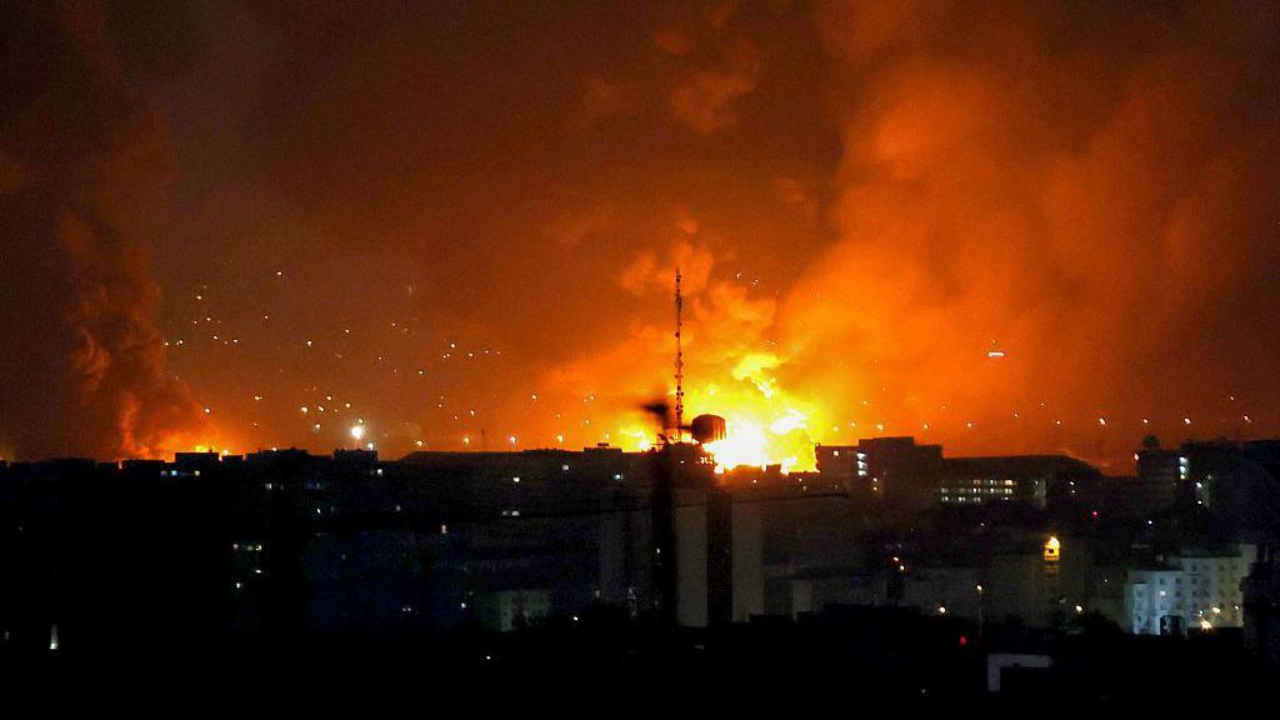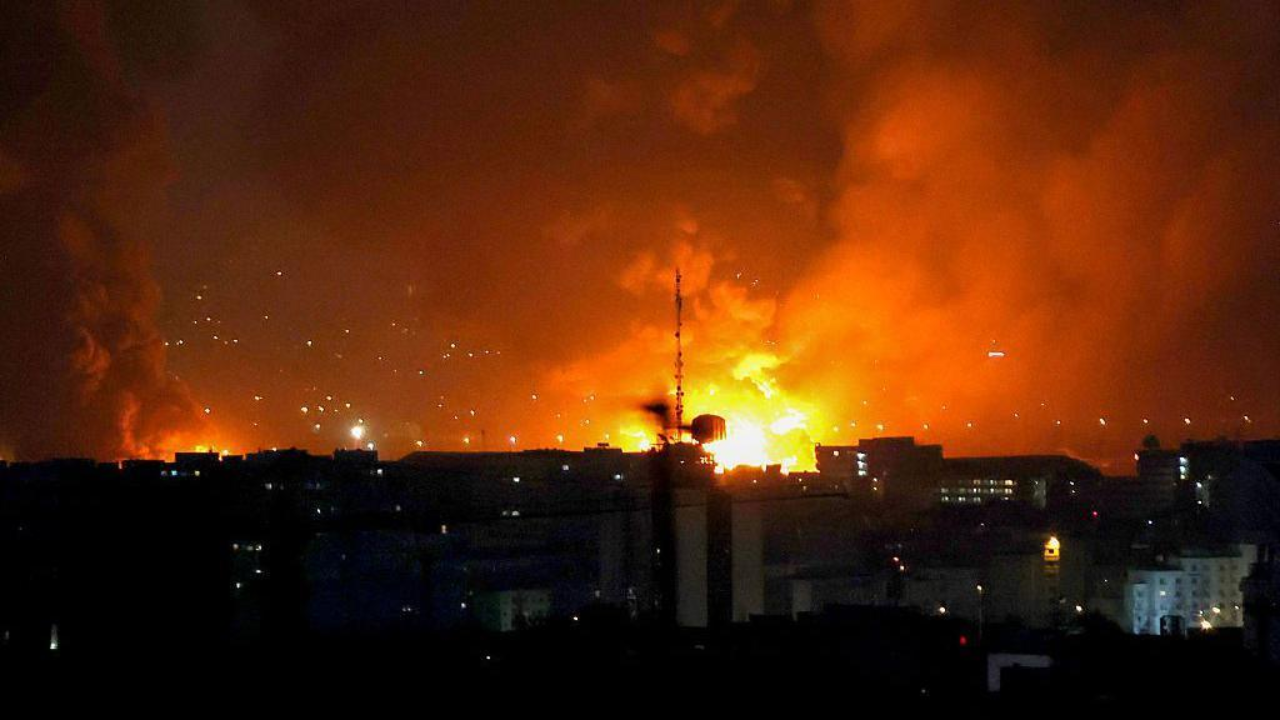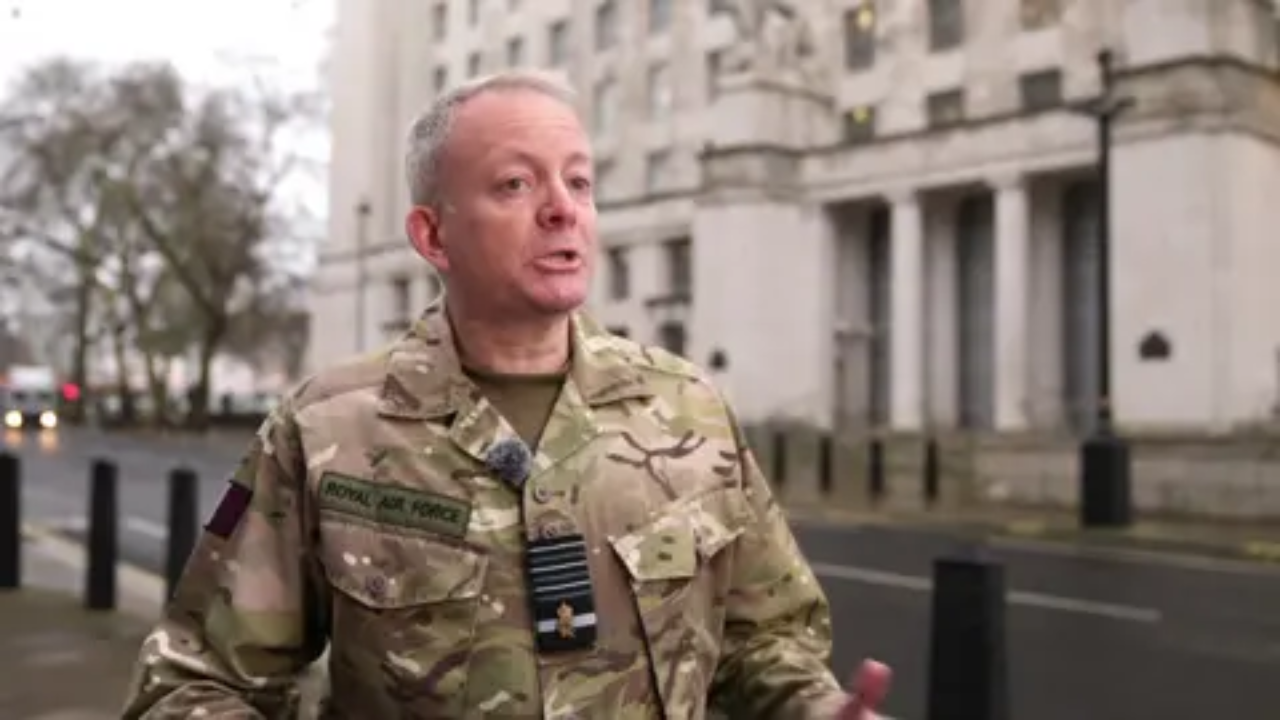
The UK’s top military official, Air Chief Marshal Sir Richard Knighton, has issued a high-stakes defense of Britain’s military posture as the Middle East faces its most volatile period in three decades.
Thank you for reading this post, don't forget to subscribe!Speaking amid a diplomatic chill with the Trump administration, Sir Richard “completely rejected” accusations that the UK was caught flat-footed or was being overly hesitant in the face of Iranian escalation.
Strategic Priorities: Defense First
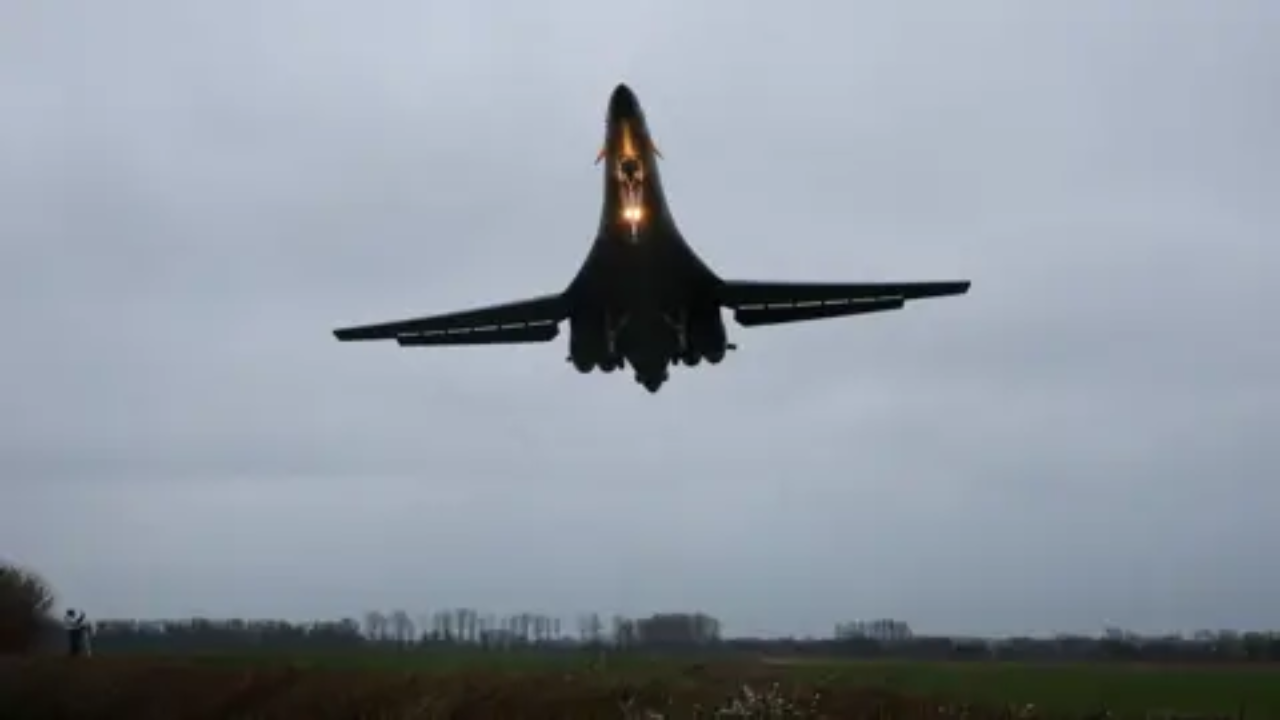
- Pre-emptive Positioning: He revealed that the UK had been quietly “hardening” its regional presence since January, moving advanced radar and Typhoon jets to Qatar and Cyprus well before the first missiles were launched.
- A “Living” Strategy: He countered claims of passivity by noting that military campaigns must “evolve.” While the UK started as a “shield” (defensive interceptions), he signaled that the transition to “sword” (proactive strikes) is a matter of when, not if, should British assets remain under fire.
- Operational Reality: Sir Richard highlighted the “round the clock” pressure on personnel at RAF Akrotiri, reminding critics that British troops are already on the front lines of the drone-defense effort.
The Tension: London vs. Washington
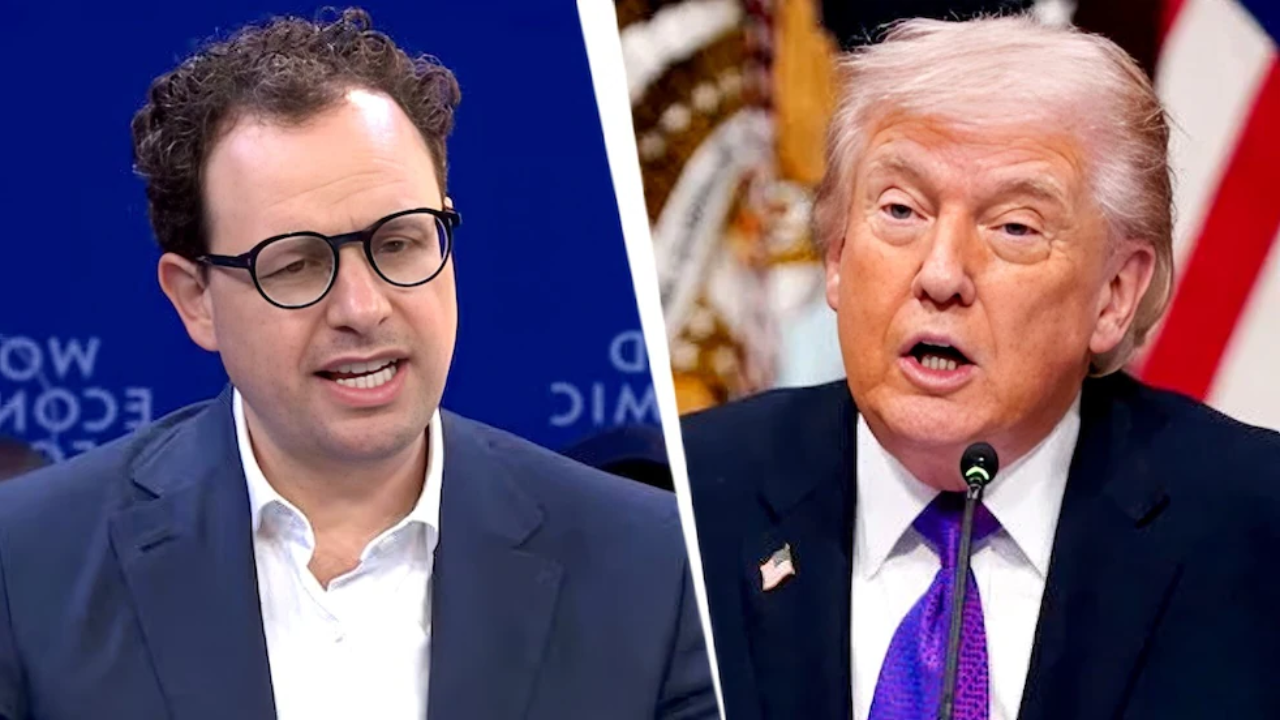
The Chief’s defense serves as a technical backdrop to a widening political rift.
| The U.S. Perspective (Trump Admin) | The UK Perspective (Starmer Gov) |
| Demanded immediate use of UK bases for offensive “decapitation” strikes in Iran. | Prioritized a “negotiated settlement” to avoid a total regional collapse. |
| Labeled the UK’s initial refusal as “unfortunate” and a sign of weakness. | Viewed the refusal as a “measured leadership” tactic to protect 140,000 UK citizens in the region. |
| Push for a “maximum pressure” military campaign. | Focusing on a “limited defensive” mandate—though this is now shifting. |
The Bottom Line
Sir Richard Knighton’s intervention was a clear message to both domestic skeptics and international allies: The UK is not “sitting out” the conflict; it is managing it. By emphasizing the safety of the 140,000 British nationals currently being repatriated, he provided the humanitarian justification for why the UK didn’t “kick the door down” on Day 1.
Note: This military “defensive-only” phase appears to be closing. With HMS Dragon now in position and the U.S. finally granted limited base access, the UK is moving toward a more active role in the coalition.