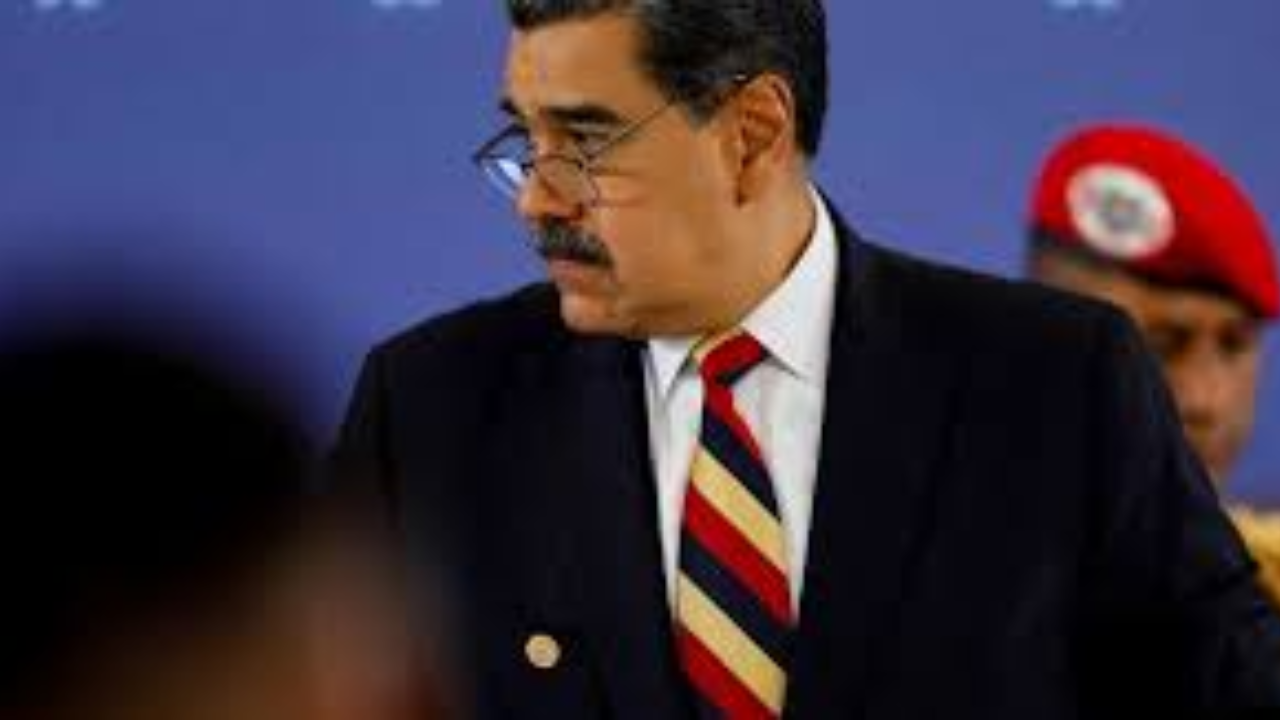
Two months after the seismic events of January 2026, Venezuela is navigating a transition that looks less like a revolution and more like a corporate restructuring. The dictator is out, but the “Chavismo-Lite” administration under Delcy Rodríguez is working overtime to maintain the status quo while keeping Washington happy.
Thank you for reading this post, don't forget to subscribe!1. The Power Vacuum and the “Rodríguez Doctrine”
- The Survivalists: Acting President Delcy Rodríguez has successfully positioned herself as a “stabilizer.” By keeping hardliners like Padrino López and Cabello in the fold, she has prevented a military fracture.
- A Divided Public: The nation remains in a cognitive dissonance. While Maduro is gone, the daily experience for many remains one of survival, with nearly half the population viewing the current administration as a mere extension of U.S. foreign policy.
2. The Great Economic Pivot
The most dramatic shifts aren’t happening in the streets, but in the boardrooms.
- The Return of “Big Oil”: With the re-establishment of diplomatic ties on March 5, the focus has shifted entirely to energy. The recent presence of high-level U.S. officials in Caracas signals a “resources-first” approach to the transition.
- Dismantling Socialism: The rapid-fire updates to the Hydrocarbon Law have effectively ended the state’s monopoly on oil. It is a pragmatic, if cynical, abandonment of the old regime’s core ideology in exchange for survival and sanctioned dollars.
3. Humanitarian and Security Realities
Despite the diplomatic “thaw,” the ground level remains precarious.
- The Phased Easing: Sanctions are being lifted, but the flow of capital is strictly gated. The U.S. Treasury currently acts as a de facto CFO for Venezuela, monitoring every barrel of oil to ensure funds don’t disappear into old corruption channels.
- The Lingering Shadow: While the streets are quieter, the presence of U.S.-backed “advisors” and the looming threat of the old intelligence apparatus mean that true civil liberty is still a distant goal.
The Bottom Line: Venezuela is currently a laboratory for a new kind of regime change—one where the leader is removed, but the machinery is repurposed to serve global energy markets and regional stability.