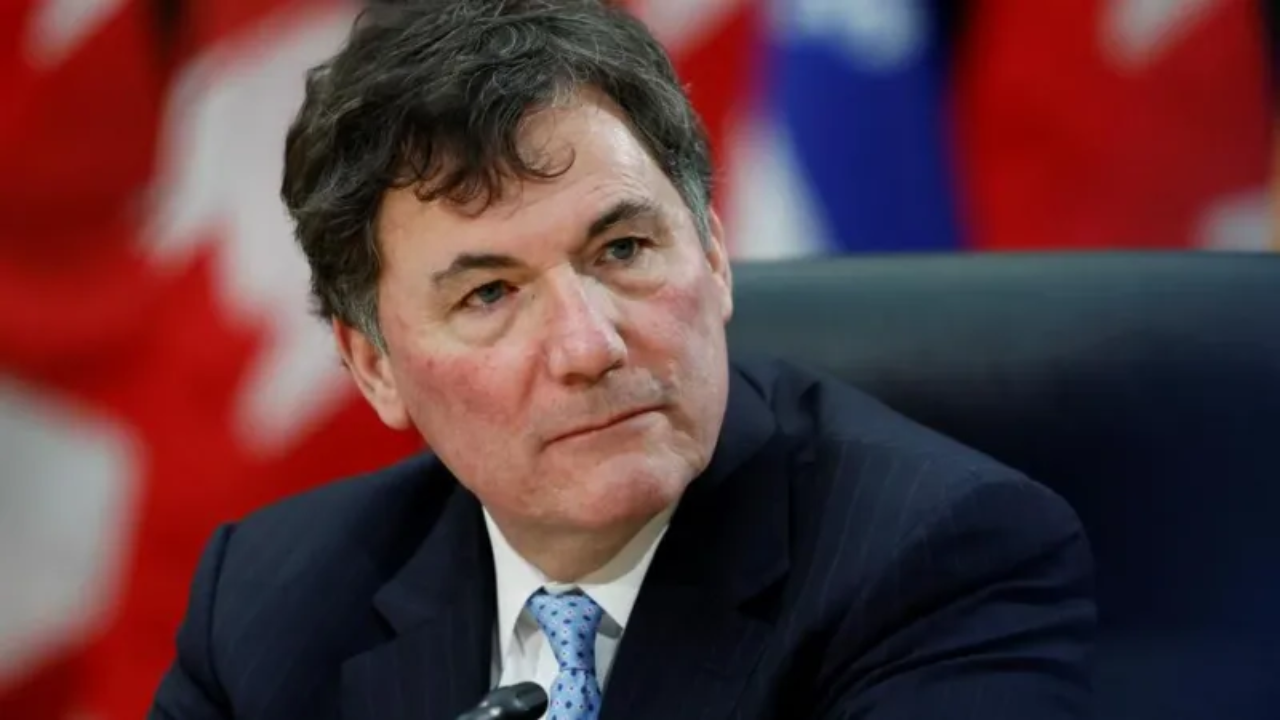
After a volatile five-month freeze, high-level trade negotiations between Canada and the United States officially resumed on Friday, March 6, 2026. Canadian Trade Minister Dominic LeBlanc met with U.S. Trade Representative Jamieson Greer in Washington, D.C., marking the first face-to-face dialogue since the Trump administration halted talks last October.
Thank you for reading this post, don't forget to subscribe!The Context of the Conflict
Top Priorities for the 2026 Talks
The primary objective of these sessions is navigating the CUSMA (USMCA) Six-Year Review. By July 1, 2026, both countries must confirm in writing whether they wish to extend the current trade deal for another 16 years.
Key points of contention include:
- Dairy Access: The U.S. continues to push for the dismantling of Canada’s supply management system.
- Digital Services: Washington is seeking to roll back Canadian regulations on U.S. streaming giants.
- Tariff Relief: Ottawa is desperate to lift the 25%–50% duties currently hampering the Canadian manufacturing sector.
- The “China” Factor: The U.S. has signaled that any trade “coziness” between Canada and Beijing could result in a 100% blanket tariff on Canadian exports.
A New Strategic Direction
While the meeting was described as “constructive,” it comes at a time when Canada is visibly hedging its bets. Prime Minister Mark Carney has increasingly advocated for a “de-risking” strategy, aiming to diversify Canadian exports to reduce the country’s 75% reliance on the U.S. market.
The Takeaway: The “thaw” is a positive sign for market stability, but with the July 1st CUSMA deadline looming, the real heavy lifting—and potential for further friction—is just beginning.