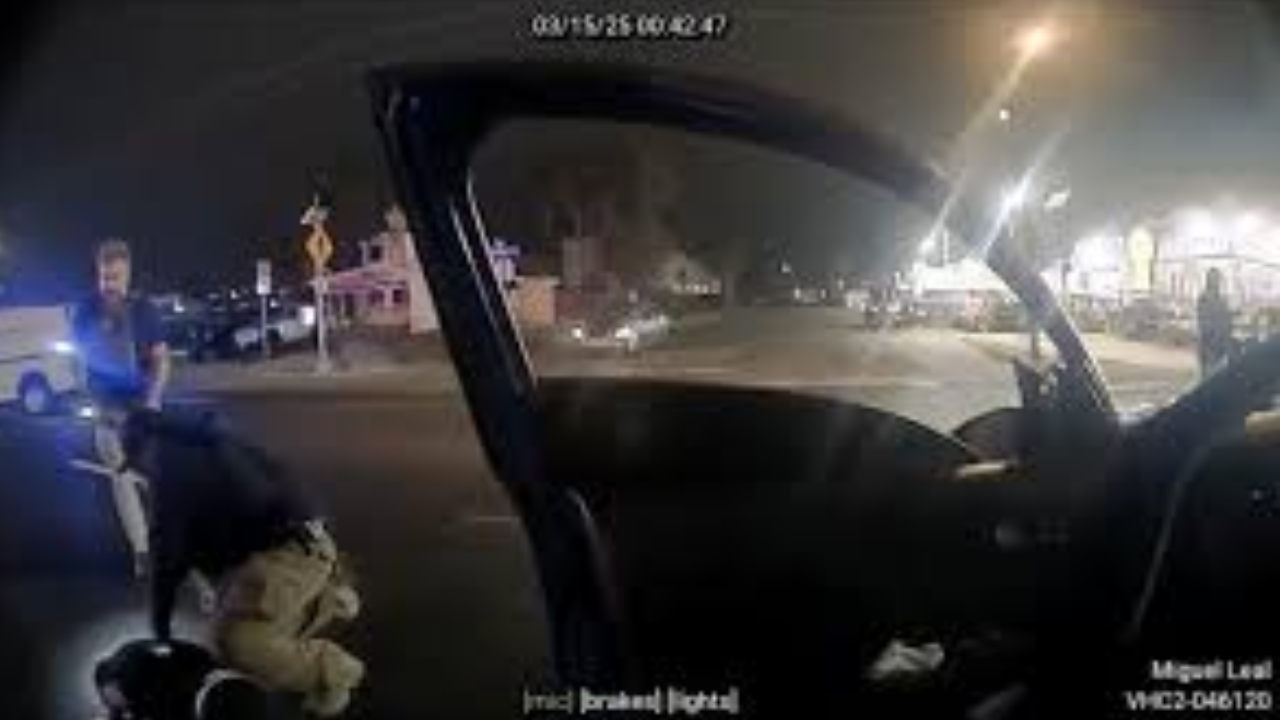
A forensic expert has testified that there is no toxicological evidence to explain the “animalistic” or “superhuman” behavior attributed to Myles Gray during his 2015 fatal encounter with Vancouver Police.
Thank you for reading this post, don't forget to subscribe!The testimony from Dr. Aaron Shapiro of the B.C. Provincial Toxicology Centre is part of a public hearing overseen by the Office of the Police Complaint Commissioner (OPCC). It aims to reconcile the officers’ descriptions of Gray’s strength with the physical evidence available.
Breaking Down the Toxicology Results
Dr. Shapiro’s review of the 2015 data effectively ruled out several substances that are frequently associated with altered mental states:
- Negative Results: There was no evidence of alcohol, LSD, or psilocybin (magic mushrooms).
- Kratom (Mitragynine): Despite early reports, Shapiro clarified that levels were either non-existent or far below any threshold that would cause toxicity or behavioral changes.
- Cannabis: While THC was present, the test could not determine if Gray was under the influence at the time or if the use occurred days or weeks prior.
- Steroids: Gray was known to use unprescribed testosterone; however, flags for the more potent steroid trenbolone were too weak to be confirmed by the technology available at the time.
The Verdict: Dr. Shapiro concluded that none of the substances found (or suspected) in Gray’s system could account for the extreme behavior described by the officers.
Case Context & Injuries
Key Evidence vs. Officer Testimony:
- The “Excited Delirium” Claim: Officers testified that Gray displayed “superhuman strength” and appeared immune to pain.
- The Physical Toll: Pathologist Dr. Matthew Orde previously testified that Gray died from a “cardiac arrest following a physical struggle,” exacerbated by a crushed voice box, fractured eye socket, broken ribs, and ruptured testicles.
- Legal Standing: While the inquest ruled the death a homicide, seven officers were cleared of misconduct in 2024—a decision this current hearing continues to scrutinize.