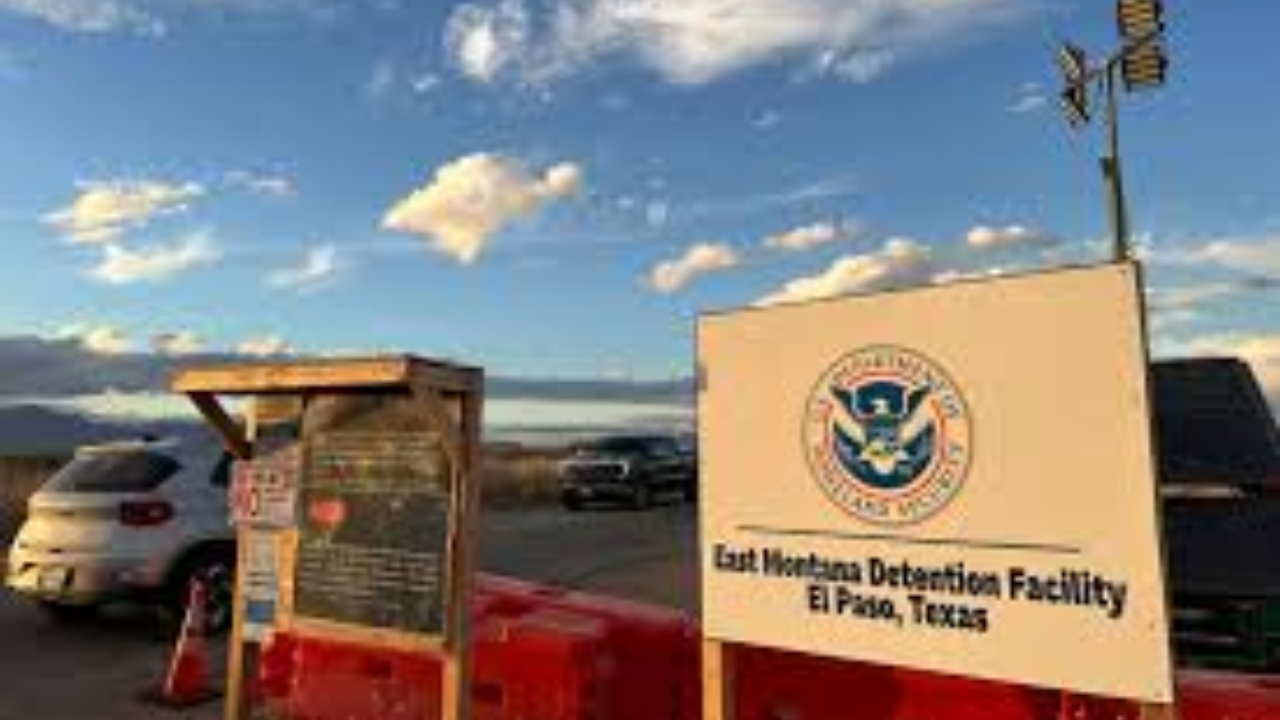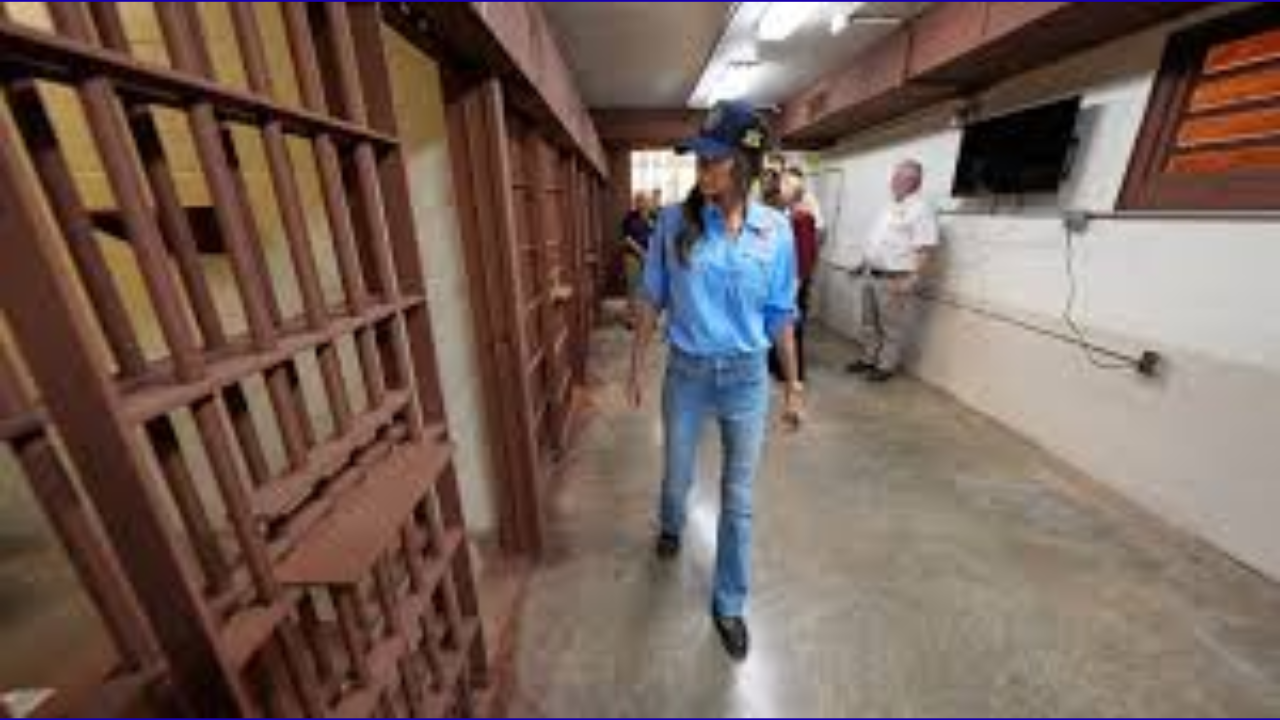
The 911 dispatch logs from the nation’s largest immigration detention facility don’t just record emergencies—they record a humanitarian breakdown. Analysis of these calls reveals a cycle of violence, despair, and medical neglect that has turned the facility into a flashpoint for human rights concerns.
Thank you for reading this post, don't forget to subscribe!1. A Pattern of Despair
The most harrowing calls involve frequent instances of self-harm and suicide attempts. Dispatchers have fielded reports of detainees attempting to hang themselves or causing self-inflicted head trauma. These recordings suggest a mental health crisis that the facility’s internal staff is either unequipped or untrained to handle without outside intervention.
2. Physical Insecurity
Violence is a recurring theme in the logs. Calls detail:
- Assaults: Sounds of sobbing detainees following physical altercations.
- Staff Struggles: Incidents involving “homicides by asphyxia,” where struggles between guards and detainees have turned fatal.
- Inadequate Separation: High-tension environments where victims of violence remain trapped in close proximity to their attackers.
3. Medical Neglect as a Norm
Beyond the violence, the calls document a failure to provide basic healthcare. Dispatchers have been alerted to:
- Chronic Seizures: Repeated calls for neurological emergencies that were not managed on-site.
- High-Risk Pregnancies: Pregnant detainees in severe pain, often compounded by infectious diseases like COVID-19, left waiting for outside ambulances.
- Systemic Sickness: Reports of unsanitary conditions and “frozen food” that contribute to a general decline in detainee health.
4. The Wall of Silence
While the 911 calls provide a raw look at the facility, official transparency remains low. With 60+ federal violations reportedly discovered in internal inspections but kept from the public, the discrepancy between the “official” version of events and the recorded emergencies is stark.