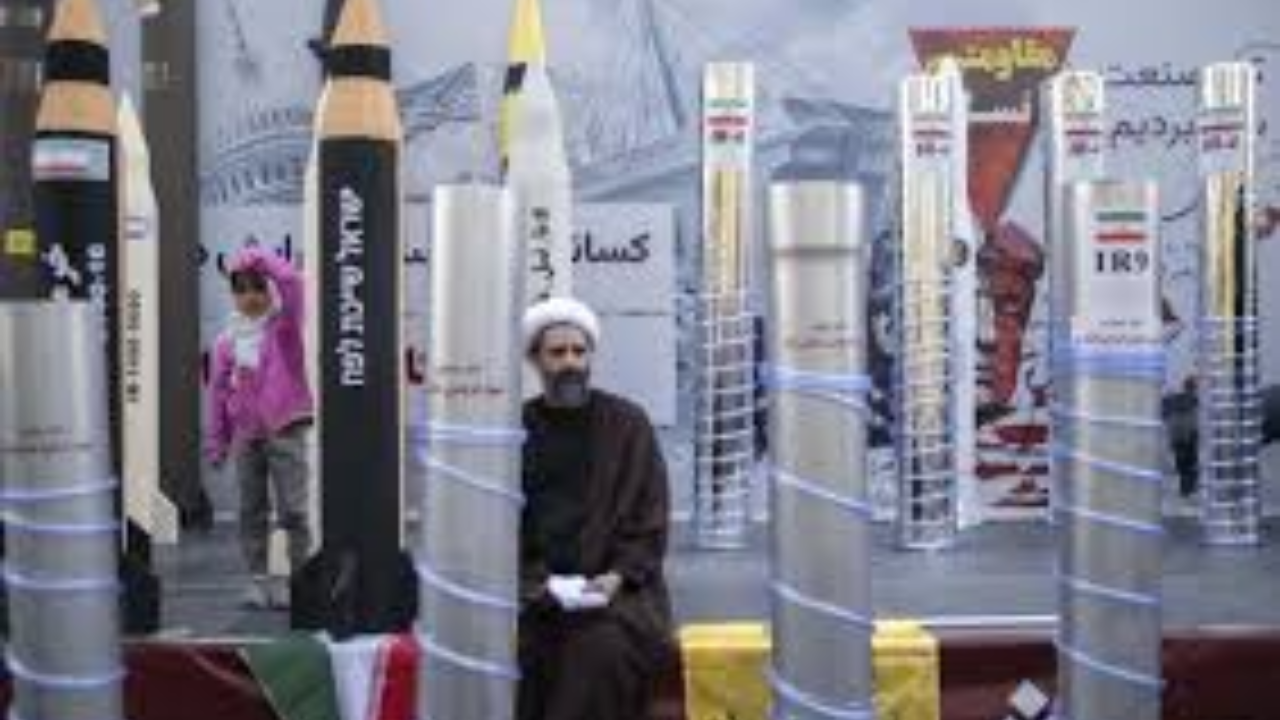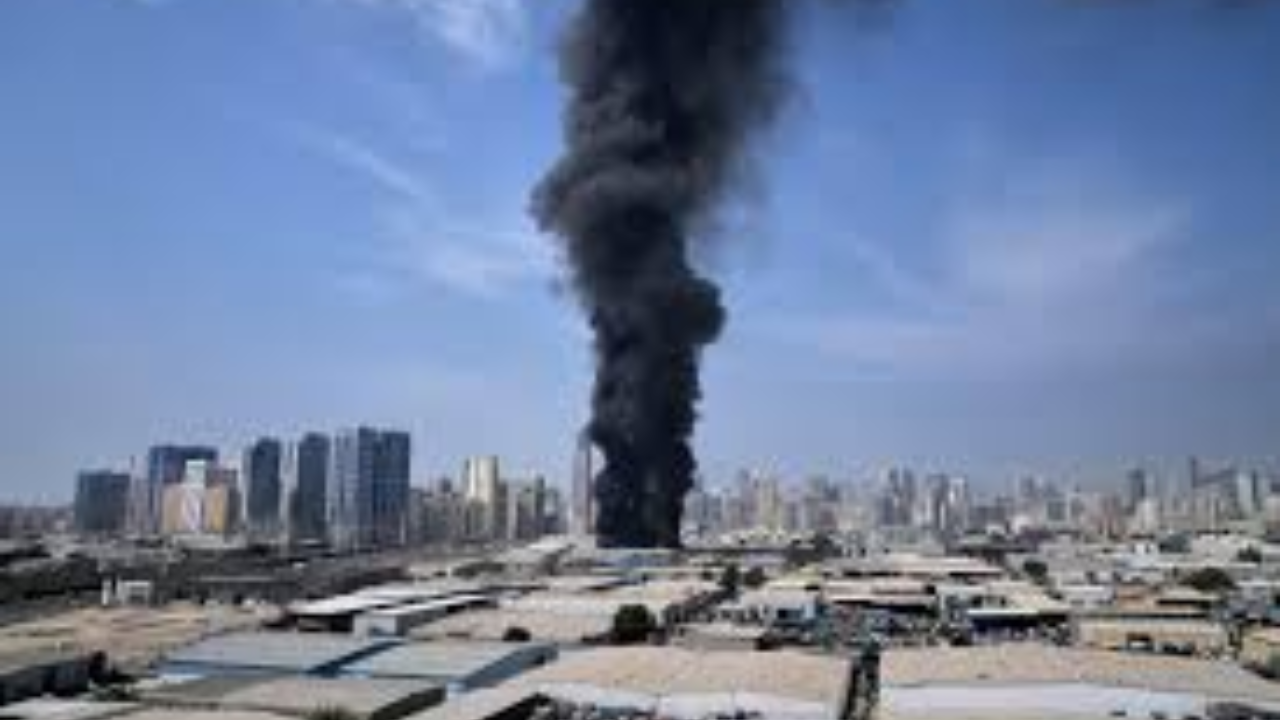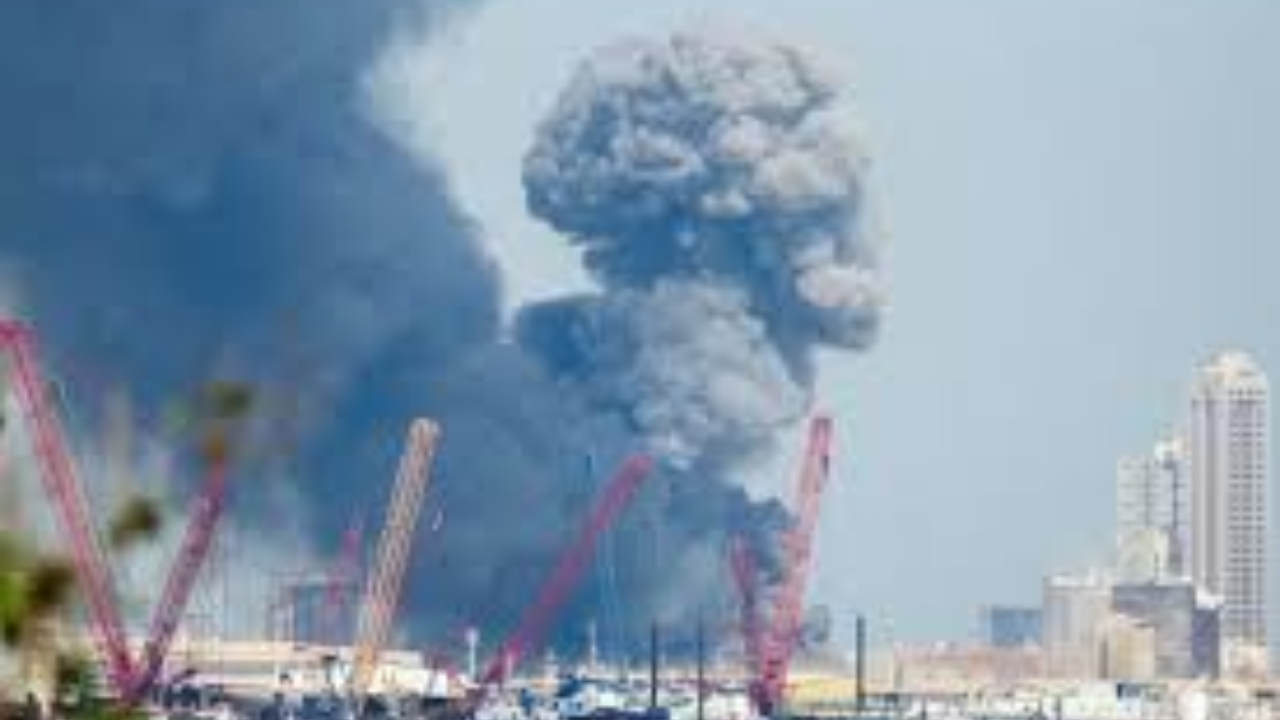
The conflict in the Middle East has intensified significantly as Iran launched a series of coordinated attacks against both Israeli territory and U.S. military installations. This follows a night of heavy Israeli airstrikes across Lebanon, signaling a dangerous expansion of the regional theater.
Thank you for reading this post, don't forget to subscribe!Key Military Updates
- Offensive Against Israel: Iranian forces deployed a mix of ballistic missiles and suicide drones. While Israel’s multi-layered defense systems intercepted many, the sheer volume has forced millions into shelters.
- U.S. Bases Under Fire: Several American military outposts in the region reported incoming fire. These strikes mark a direct challenge to the U.S. presence and a sharp departure from previous “proxy-only” engagements.
- Lebanese Front: The Israeli Air Force continues to hammer targets across Lebanon. While the primary focus remains on Hezbollah infrastructure and leadership, the strikes have reached deeper into Lebanese territory, causing a surge in civilian displacement.
The Strategic Context
| Actor | Status | Objective |
| Iran | Direct involvement | Establishing “deterrence” through direct hits on adversaries. |
| Israel | Multi-front defense | Neutralizing threats in Lebanon while bracing for a long-term Iranian exchange. |
| United States | Defensive posture | Protecting regional assets and attempting to prevent a total “all-out” regional war. |
Impact and Humanitarian Concerns
The widening scope of the conflict is already being felt globally. Oil markets are showing volatility as shipping lanes become increasingly hazardous, and the humanitarian crisis in Lebanon is worsening as families flee the southern and coastal regions.