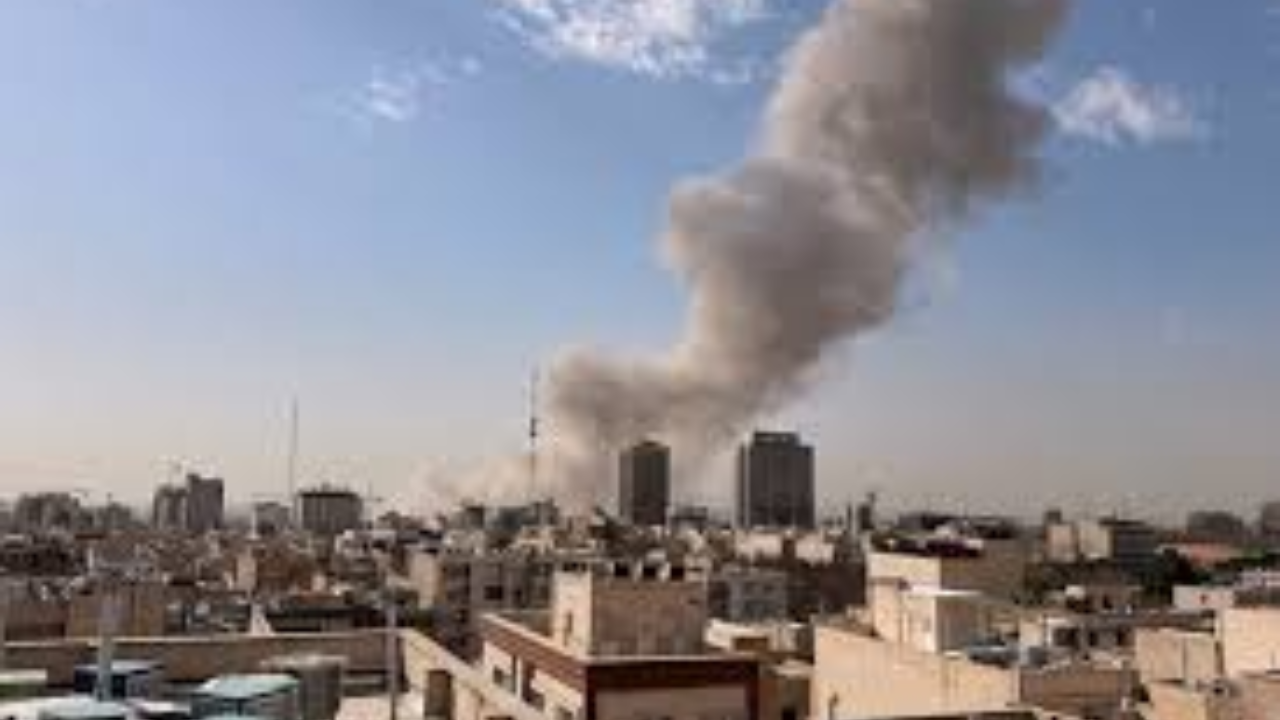
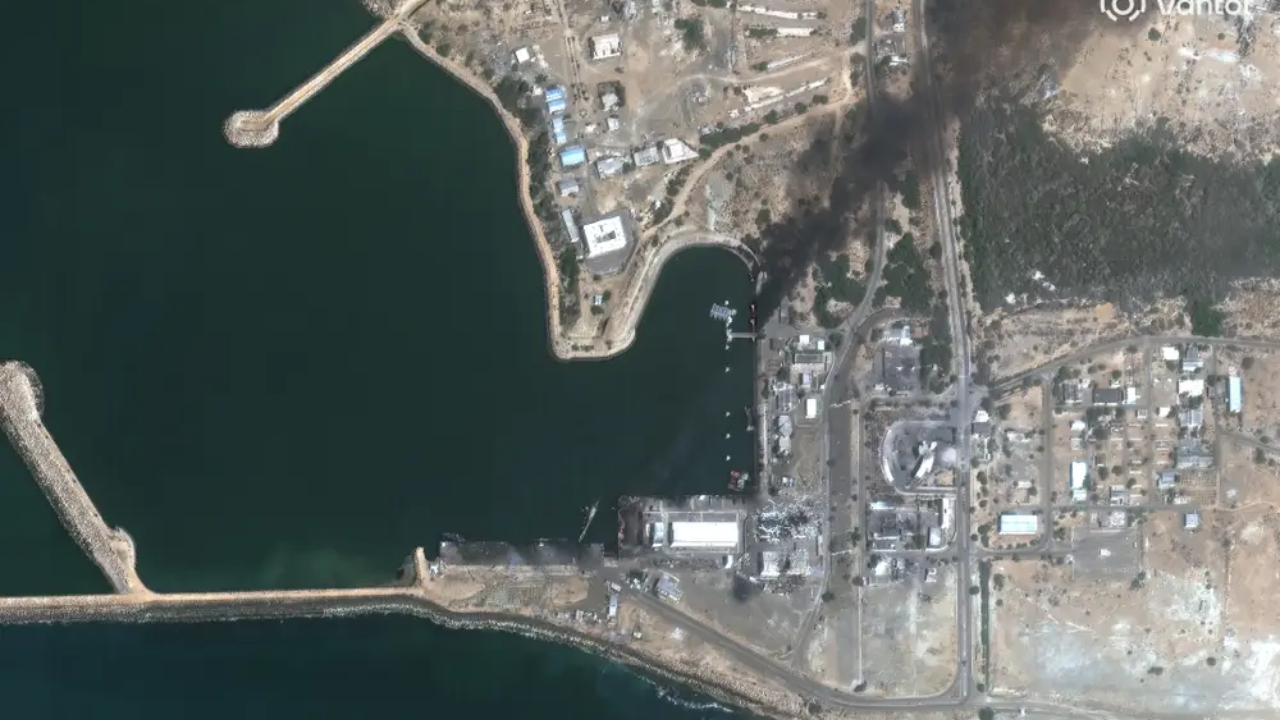
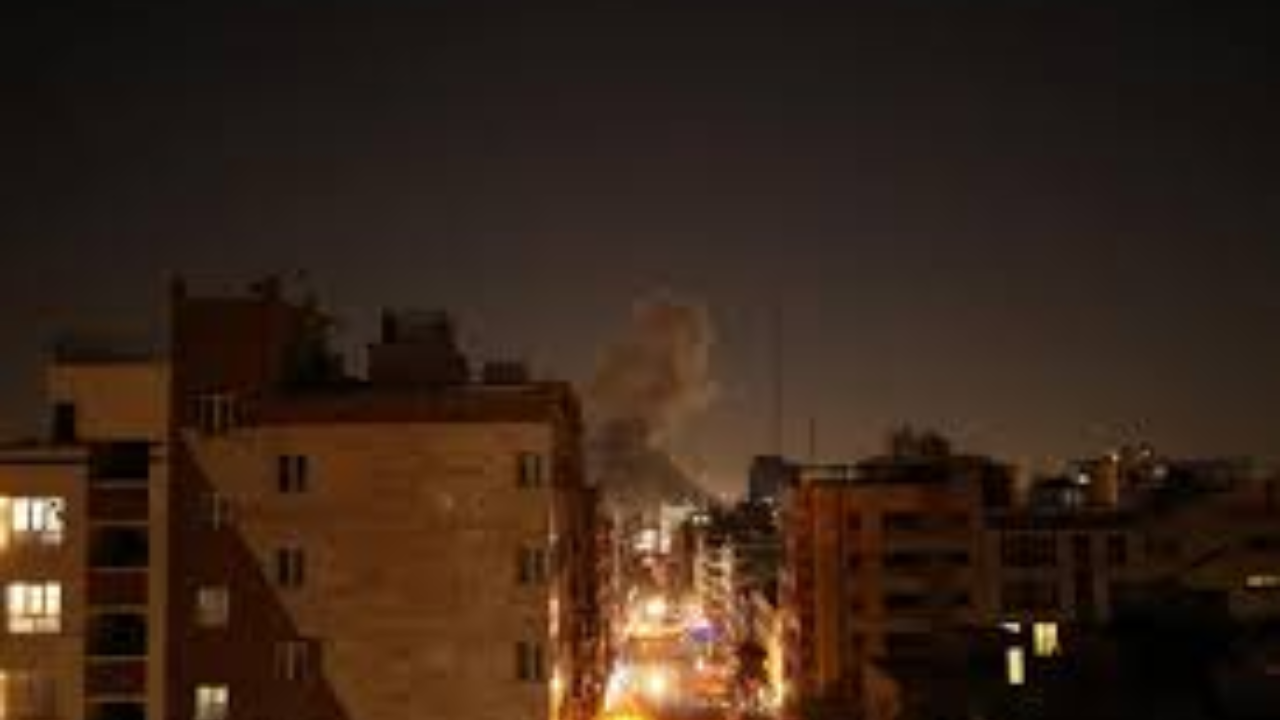
Following the joint military actions between February 28 and March 2, 2026, Middle Eastern skies underwent a massive logistical shift. Within minutes of the initial strikes, hundreds of commercial flights were forced into emergency diversions to escape the conflict zone.
Thank you for reading this post, don't forget to subscribe!1. The “Donut Hole” Effect
- Rapid U-Turns: Flights already over Iranian soil performed 180-degree turns to return to hubs in Turkey or India.
- The Saudi Bypass: Virtually all traffic between Europe and SE Asia shifted south, cramming into the narrow corridors over Saudi Arabia, Egypt, and Oman.
- Regional Blackouts: For the first time in recent history, major hubs like Dubai (DXB) and Doha (DOH) went silent, suspending departures as nearby transit routes became unusable.
2. Global Disruption by the Numbers
The scale of the shutdown has caused a ripple effect across global schedules:
| Impact Category | Status (As of March 2, 2026) |
| Total Cancellations | 2,000+ flights grounded on March 1st alone. |
| Travel Delay | Reroutes are adding 2 to 4 hours of extra flight time. |
| Hub Status | DXB and AUH (Abu Dhabi) are operating at roughly 20% capacity. |
| Indian Aviation | 750+ flights cancelled; major rerouting via Rome and Baku. |
3. Strategic Airline Shifts
- Lufthansa & Air France: Have completely “blacklisted” the Tehran Flight Information Region (FIR) until at least March 8.
- Air India: Implementing technical stops in Europe for US-bound flights to ensure they have enough fuel to bypass the entire Middle East.
- Gulf Carriers: Emirates and Qatar Airways are currently operating limited “mercy” flights, with most commercial routes on a 48-hour rolling suspension.
The Takeaway: While the “clearing” was a masterpiece of air traffic control coordination, it has left the global aviation network stretched to its breaking point. Fuel costs are expected to spike as airlines take the long way around.