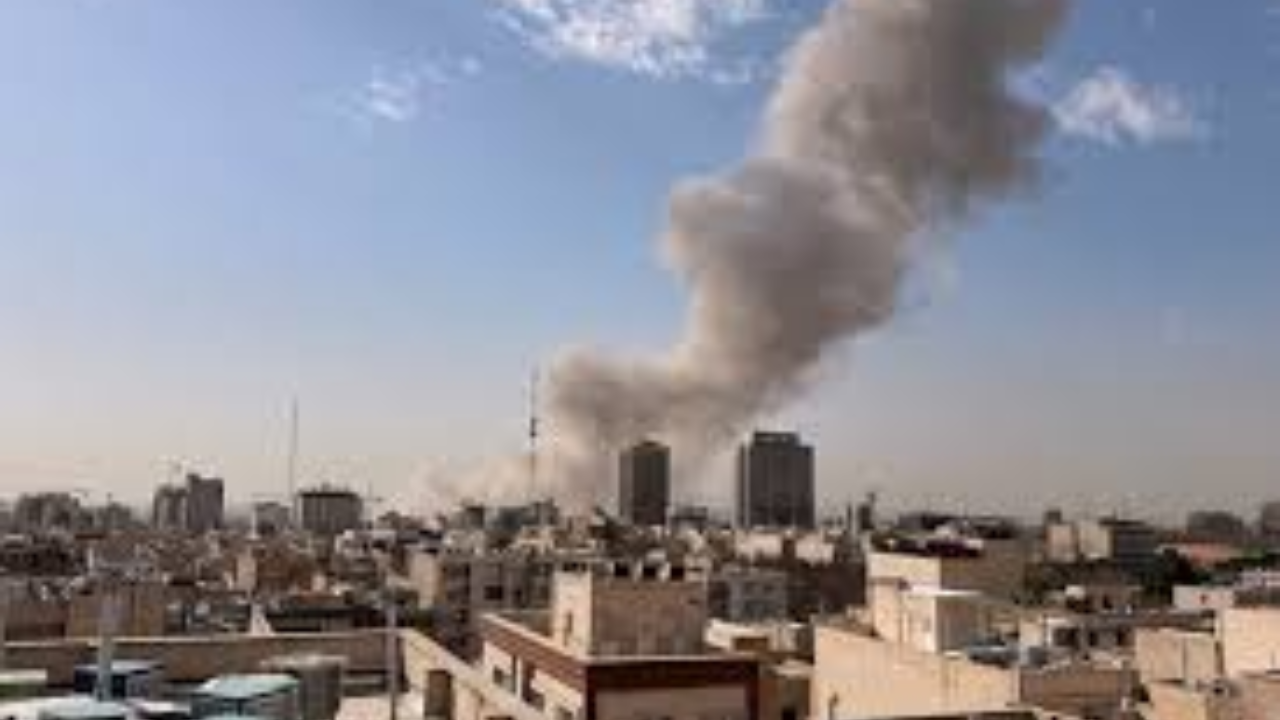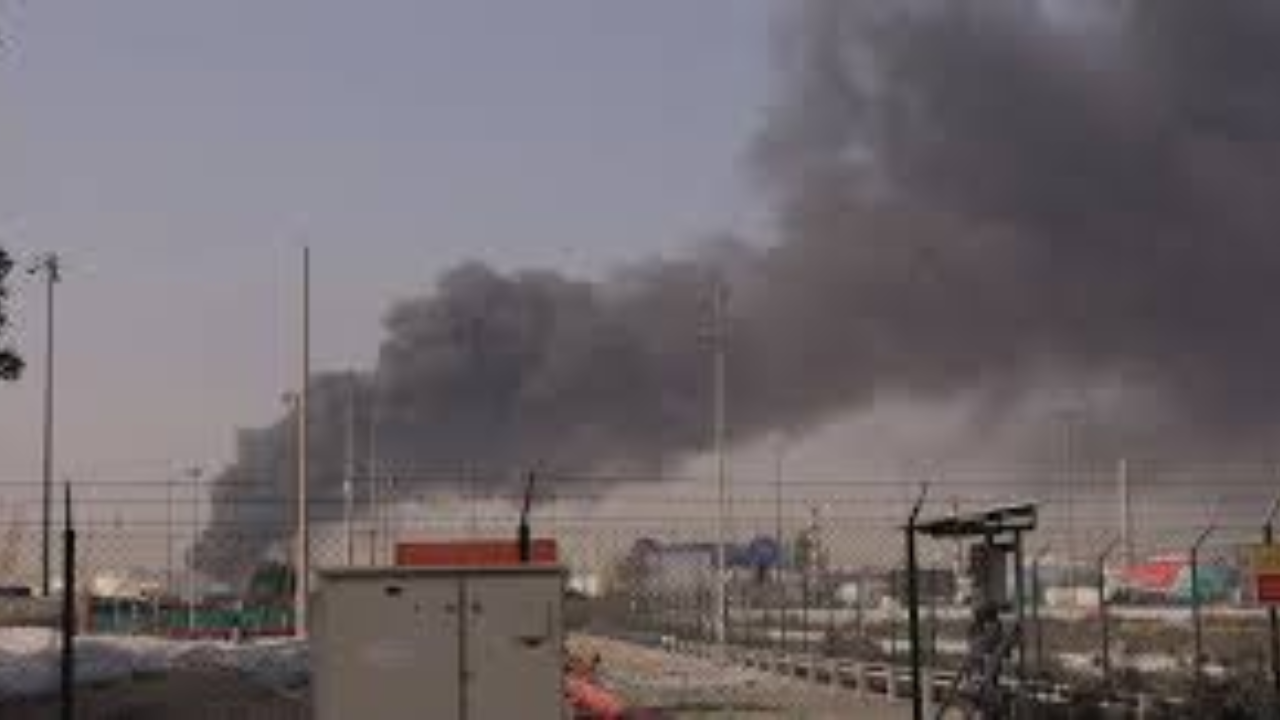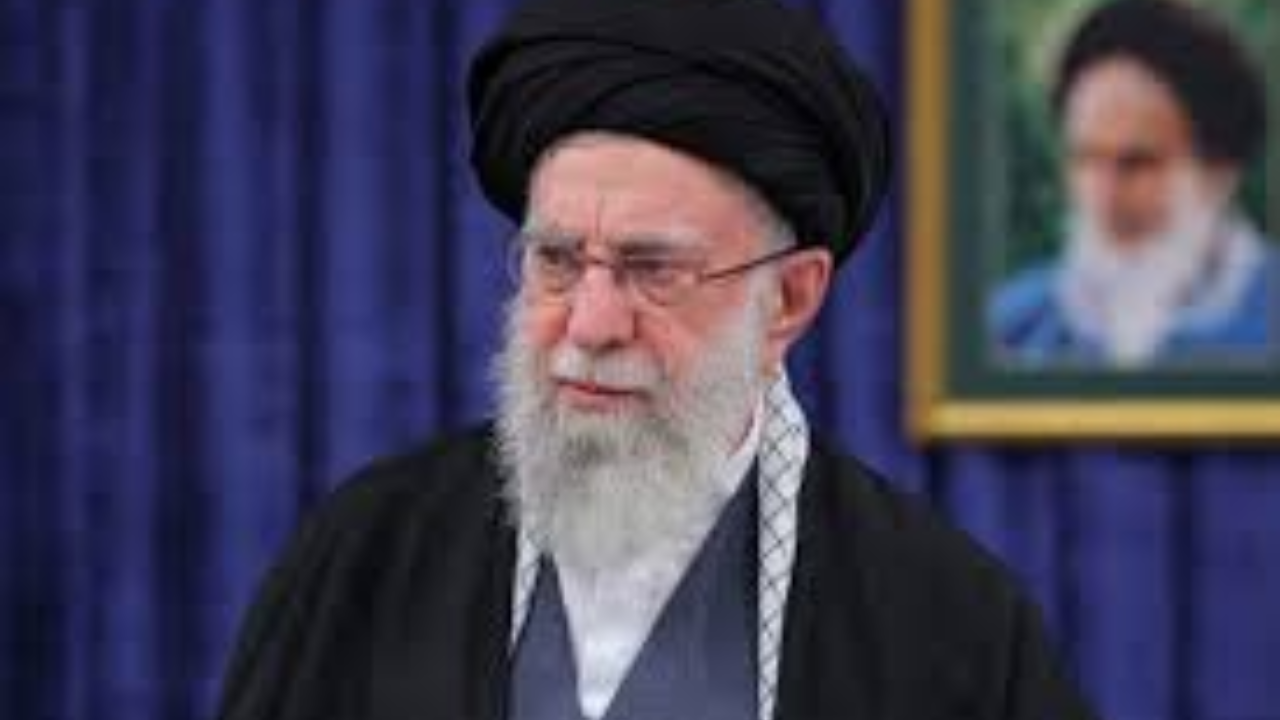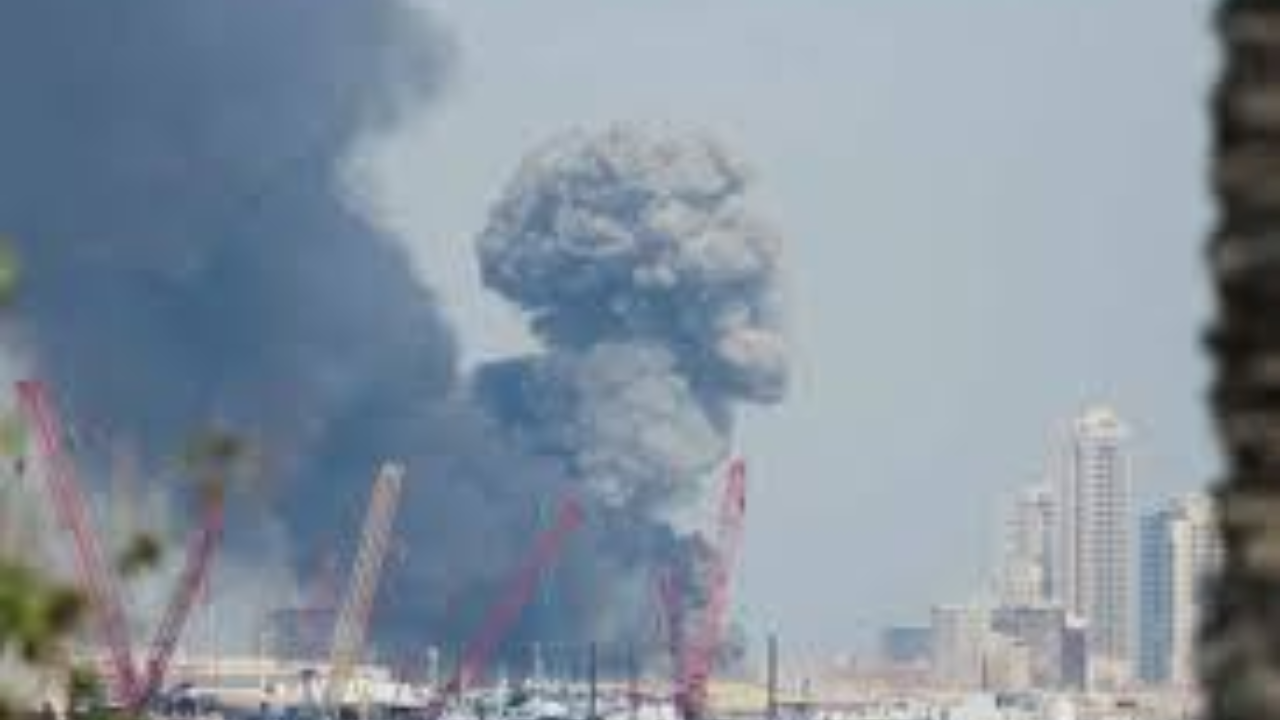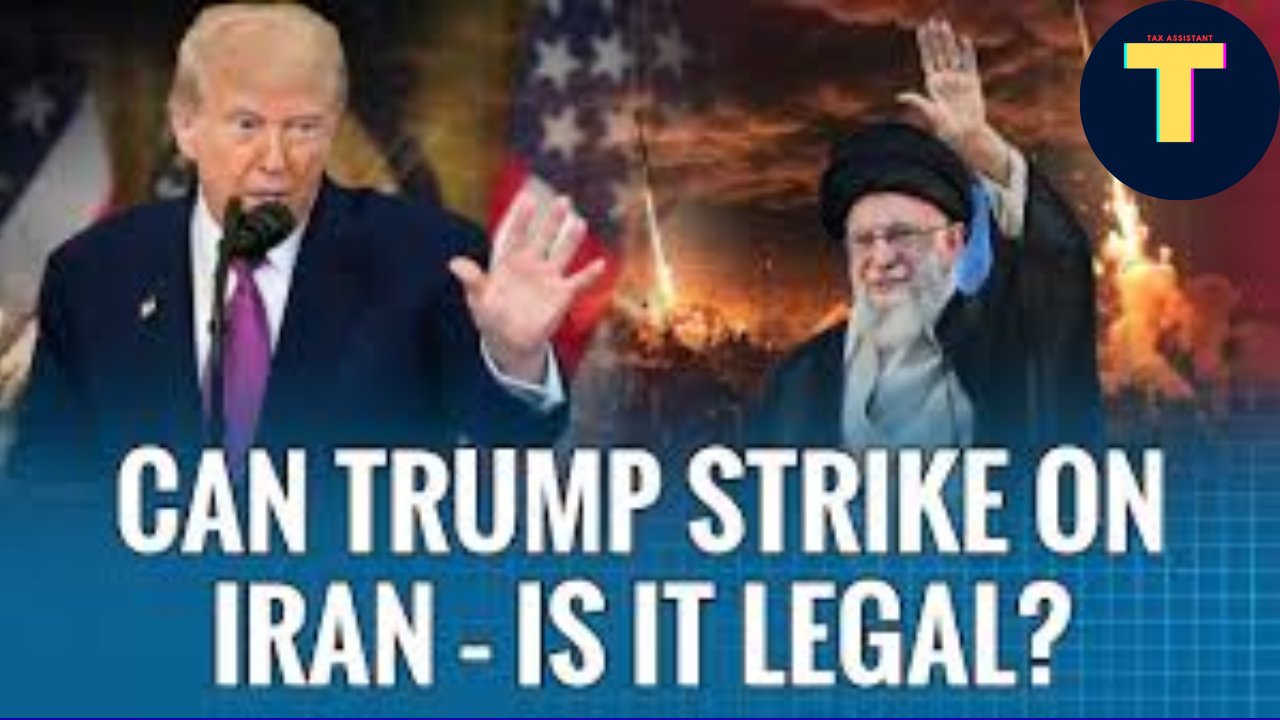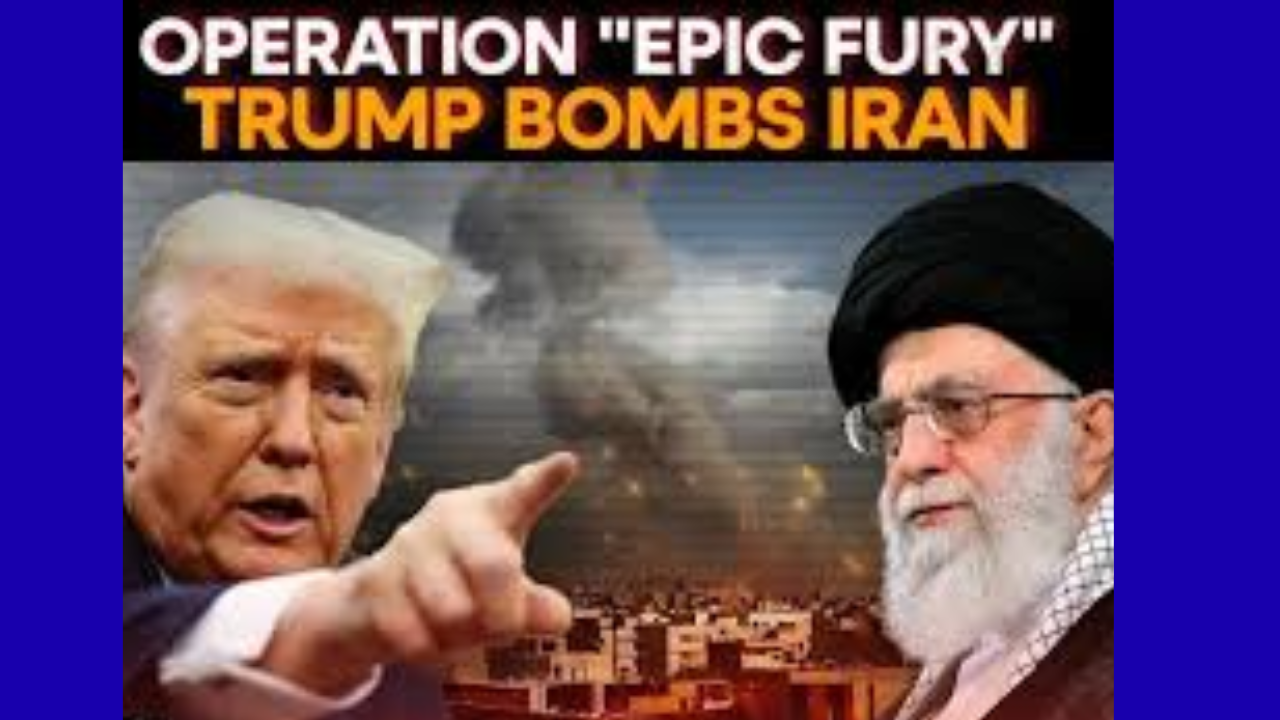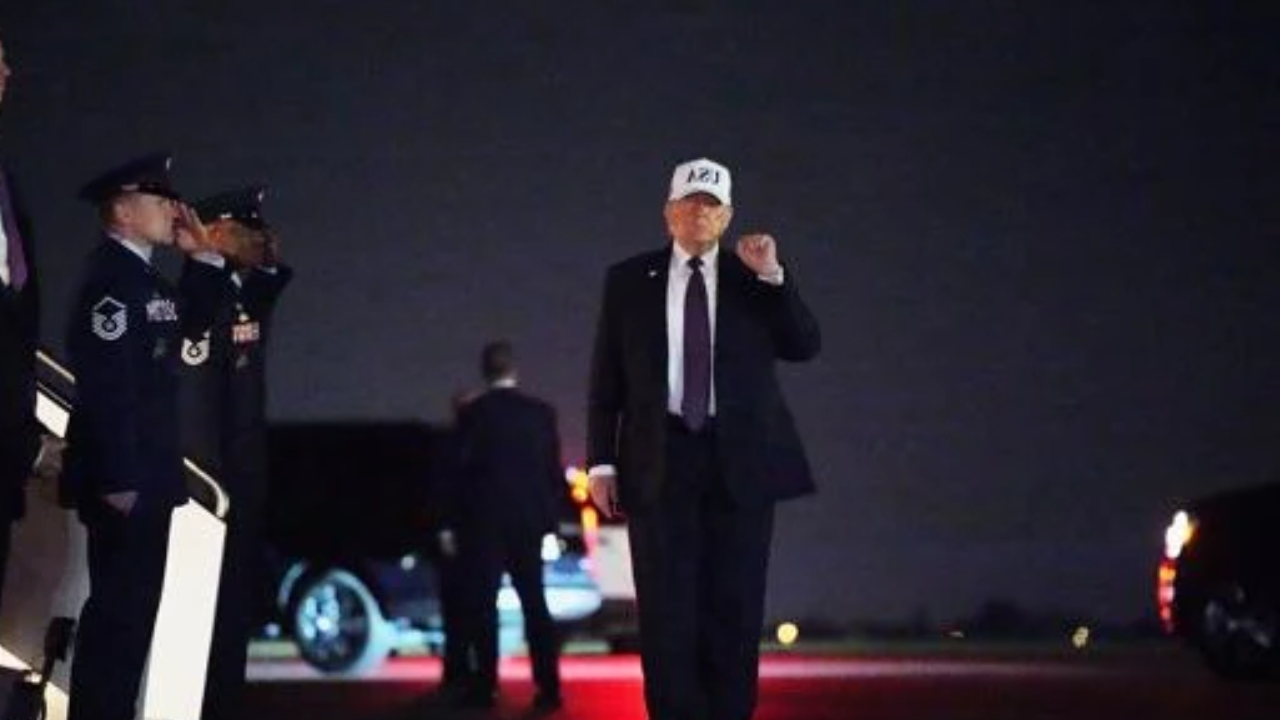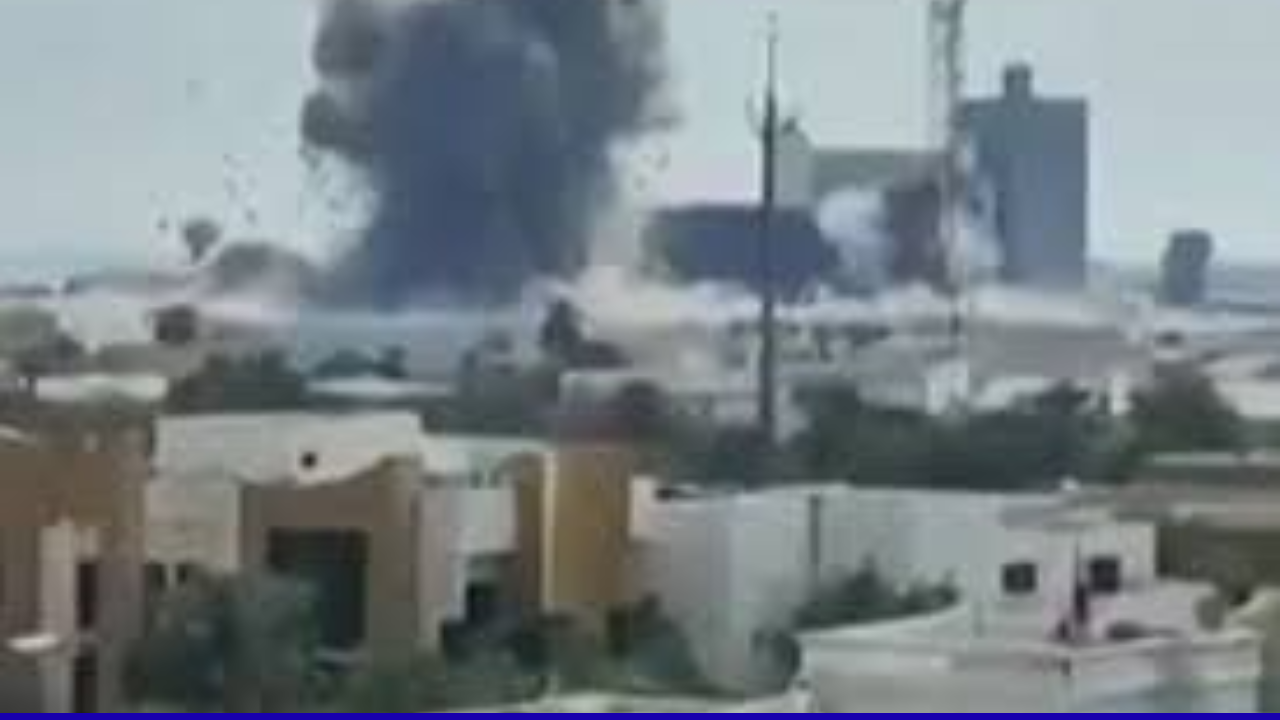
The reported death of Iranian Supreme Leader Ayatollah Ali Khamenei on March 1, 2026—following a joint U.S.-Israeli operation—has sent shockwaves through the international community. As the Middle East teeters on the edge of a broader conflict, the global response is a tense mix of celebration, condemnation, and desperate pleas for a ceasefire.
Thank you for reading this post, don't forget to subscribe!The Diplomatic Divide
World powers are currently split into three distinct camps regarding the strike and its aftermath:
- The De-escalators: Leaders from the UK, France, and Germany have issued an urgent joint appeal for “maximal restraint.” While acknowledging Iran’s regional provocations, they are pushing for an immediate return to diplomatic channels to prevent a total collapse of regional order.
- The Supporters: The United States has framed the strike as a liberation for the Iranian people, with Canada and Australia echoing the sentiment that the removal of the regime’s head was necessary for global security.
- The Critics: Russia and China have led the condemnation, labeling the strike an “unprovoked act of aggression” and a violation of international law. Middle Eastern mediators like Oman have expressed deep concern that the path to peace has been severed.
Impact Assessment
| Category | Status |
| Governance | An interim council led by President Masoud Pezeshkian is currently holding power. |
| Security | The IRGC has reportedly begun retaliatory strikes against U.S. assets in the Persian Gulf. |
| Succession | The Assembly of Experts is under immense pressure to select a new leader amidst civil unrest. |
| Global Markets | Oil prices have surged as transit through the Strait of Hormuz becomes increasingly high-risk. |
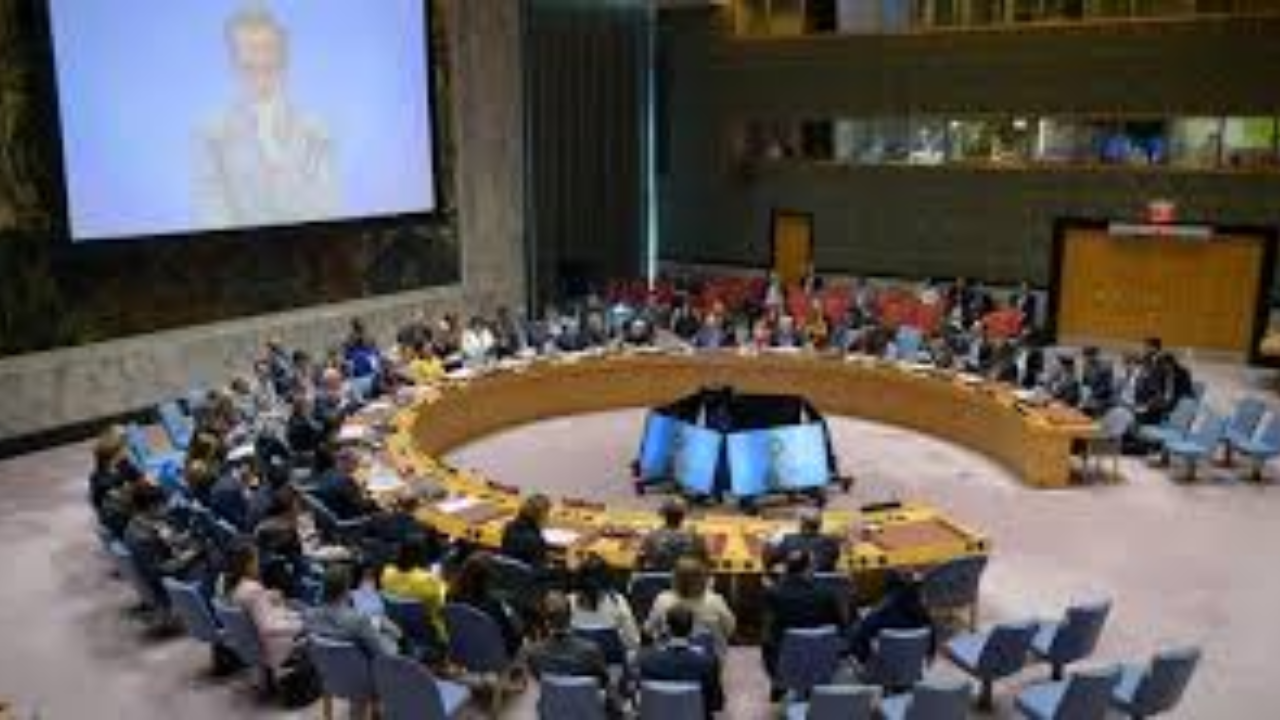
Note from the UN: Secretary-General António Guterres has warned that “the world cannot afford another major conflict” and has called for an emergency session of the Security Council to mediate a ceasefire.