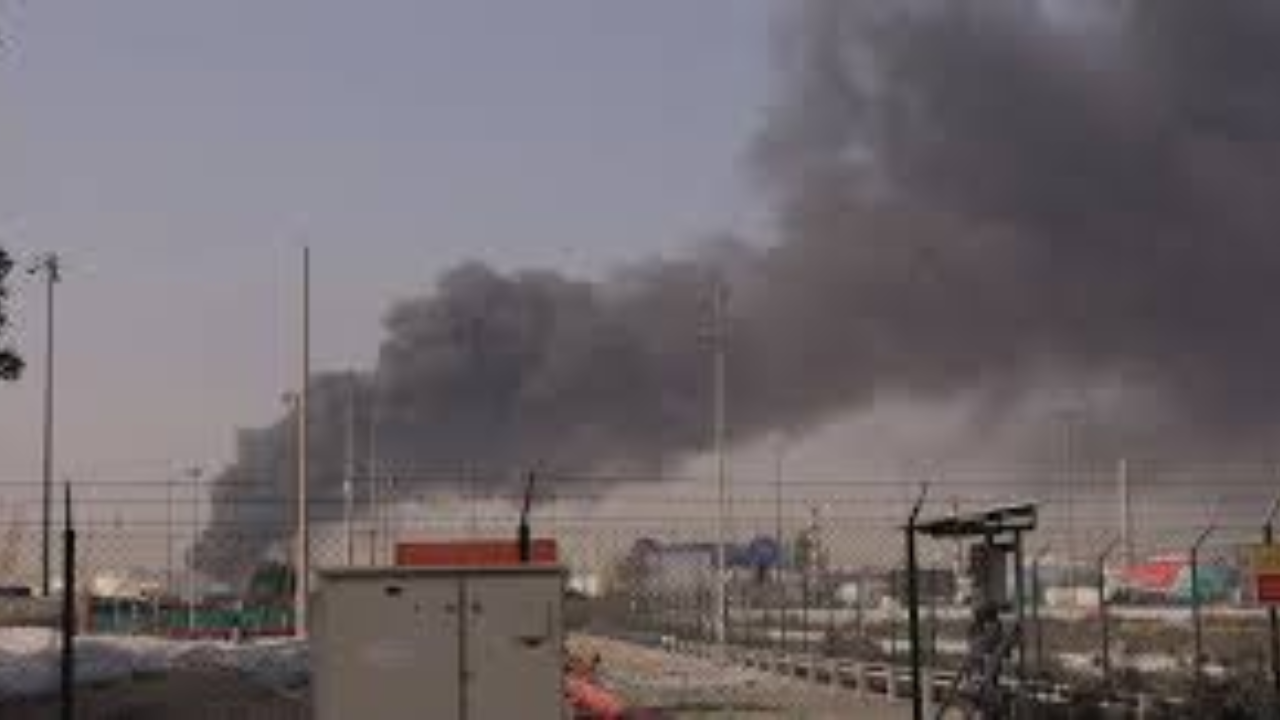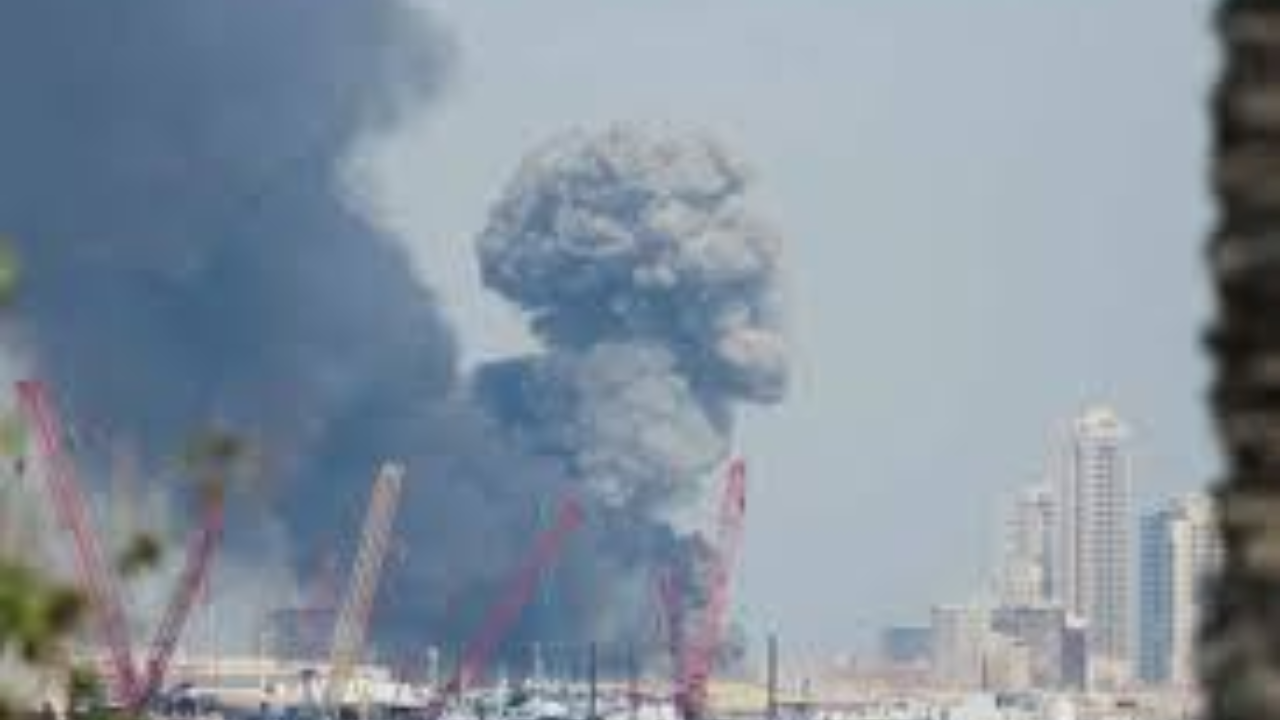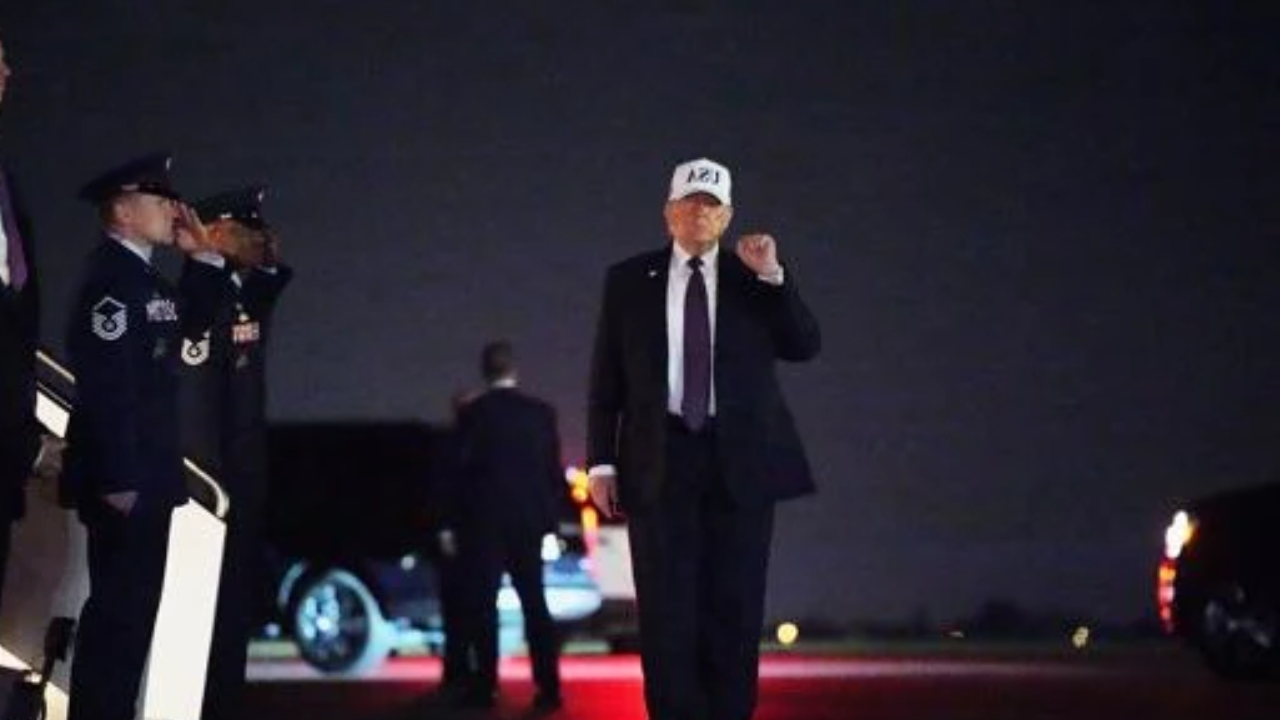
The geopolitical landscape shifted dramatically on February 28, 2026, after President Trump ordered a massive military strike against Iran without seeking prior approval from Congress. The operation, aimed at dismantling Tehran’s nuclear and missile infrastructure, has reignited a fierce debate over the limits of executive authority and the War Powers Resolution of 1973.
Thank you for reading this post, don't forget to subscribe!The Executive Argument: “National Security First”
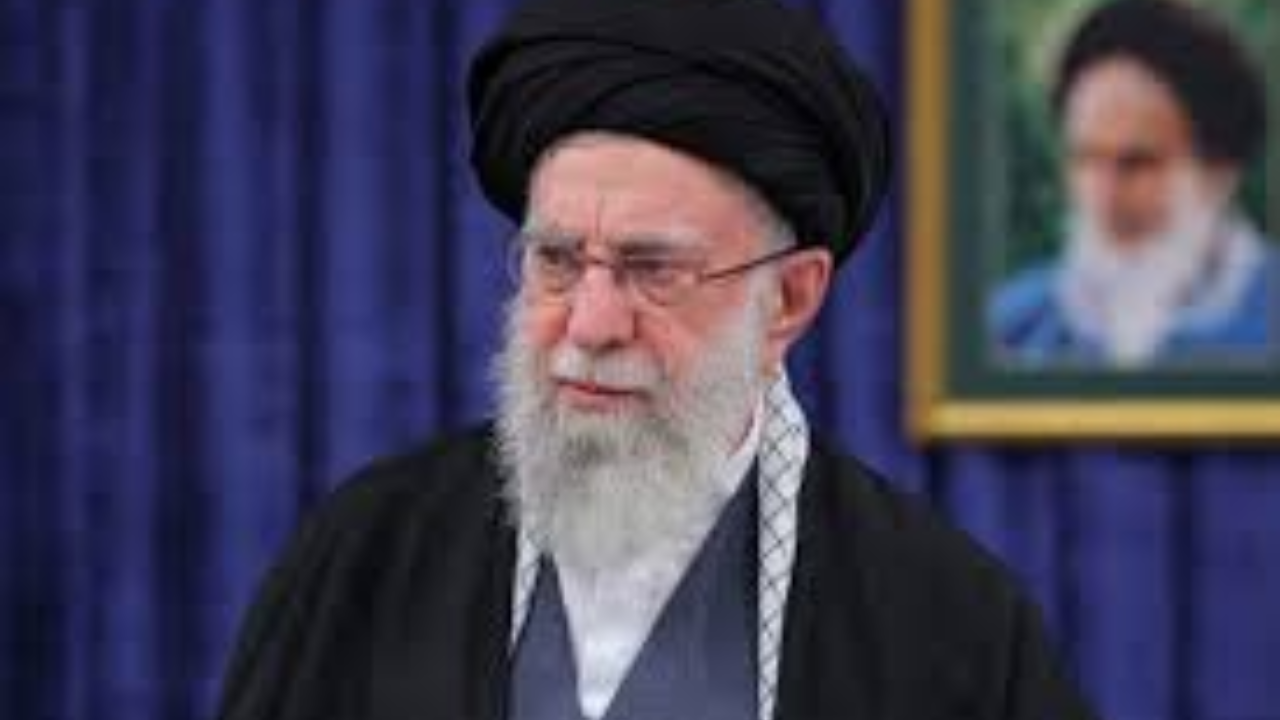
President Trump has framed the strikes as a preemptive necessity rather than an act of aggression. Following the reported death of Supreme Leader Ali Khamenei during the operation, the White House maintains that the President has the inherent authority under Article II of the Constitution to protect American interests from a “radical dictatorship” on the verge of nuclear breakout.
The Congressional Backlash: “Unconstitutional Overreach”
“A strike of this magnitude—essentially decapitating a foreign government—cannot be done by the stroke of a pen alone,” stated Sen. Kaine. “The Constitution requires the people’s representatives to weigh in.”
Key Legislative Challenges
With a historic war powers debate set to begin on March 2, 2026, Congress is divided on how to proceed:
| Proposed Action | Primary Goal | Likely Outcome |
| Senate Resolution | Block funding for unauthorized hostilities. | High chance of passing Senate; likely vetoed. |
| House Joint Resolution | Direct the removal of troops within 60 days. | Significant bipartisan support; veto-dependent. |
| Classified Briefings | Verify “immediacy” of the Iranian threat. | Mandatory; will dictate the next 48 hours of debate. |
A Divided Capitol
The reaction highlights a deep rift in Washington:
- The Hawks: High-ranking Republicans like Sen. Lindsey Graham (R-SC) have lauded the move as a “bold, decisive act” that finishes a decades-long threat.
- The Skeptics: Democratic leaders Chuck Schumer and Hakeem Jeffries warn of another “forever war,” questioning whether the administration had a plan for the “day after” the regime’s potential collapse.
What’s at Stake?
Under the War Powers Resolution, the clock is now ticking. The President has a 60-day window to secure congressional backing or face a legal mandate to end the mission. However, with the administration likely to use its veto power, the U.S. may be entering a period of prolonged constitutional crisis alongside a hot war in the Middle East.