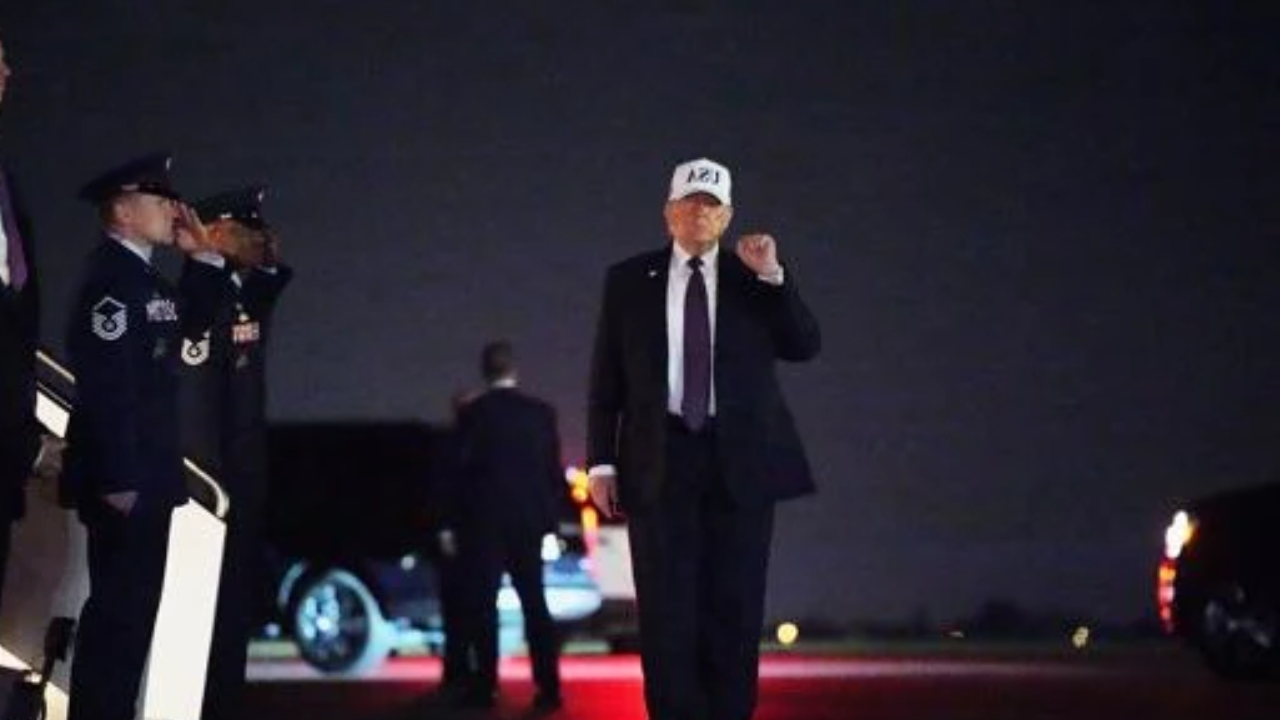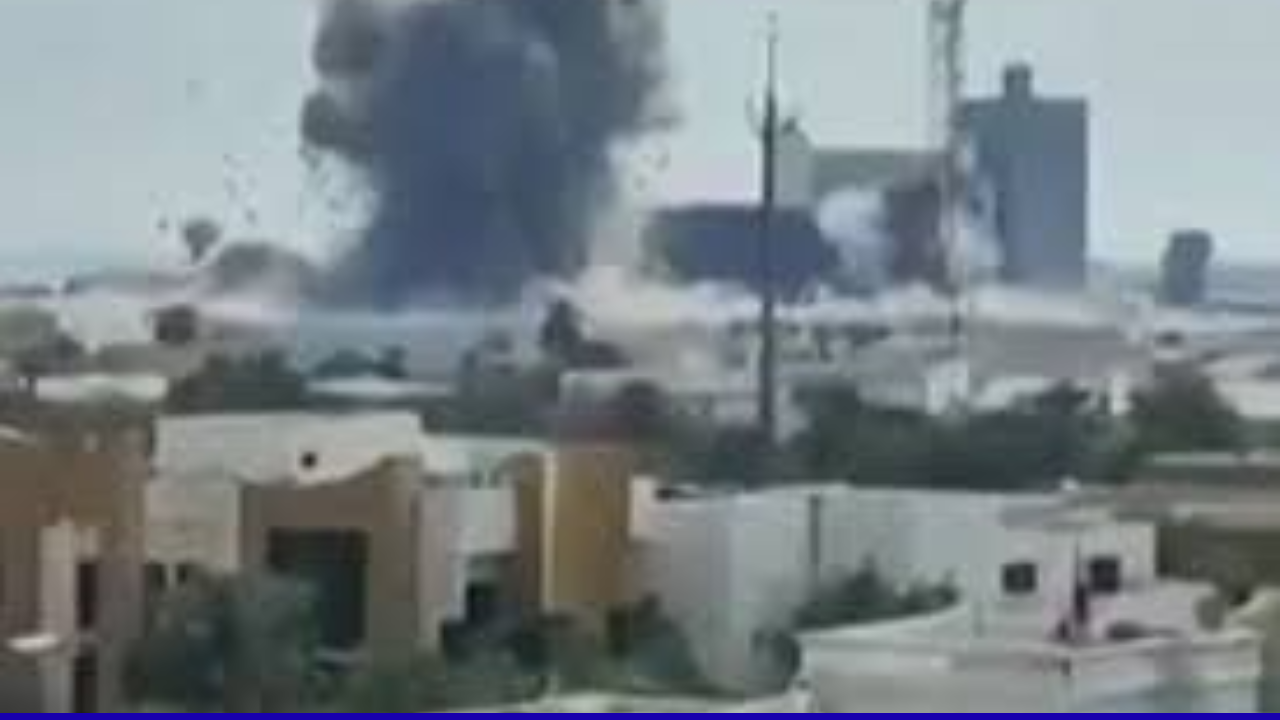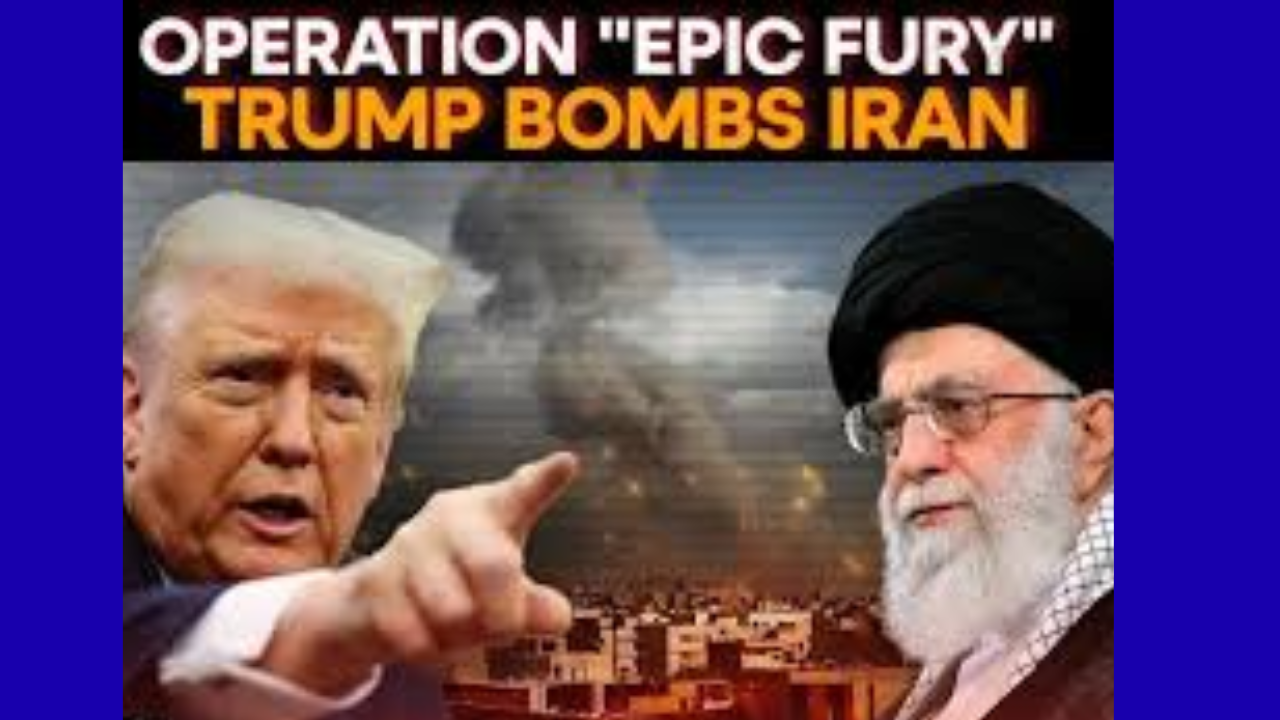
The “America First” doctrine, once defined by a desire to bring troops home and avoid foreign entanglements, is facing its greatest test. Despite a campaign built on ending “endless wars,” the administration’s actions over the last 14 months suggest a shift toward preemptive, high-intensity interventionism.
Thank you for reading this post, don't forget to subscribe!Timeline of Major Interventions (2025–2026)
| Operation | Date | Focus | Strategic Goal |
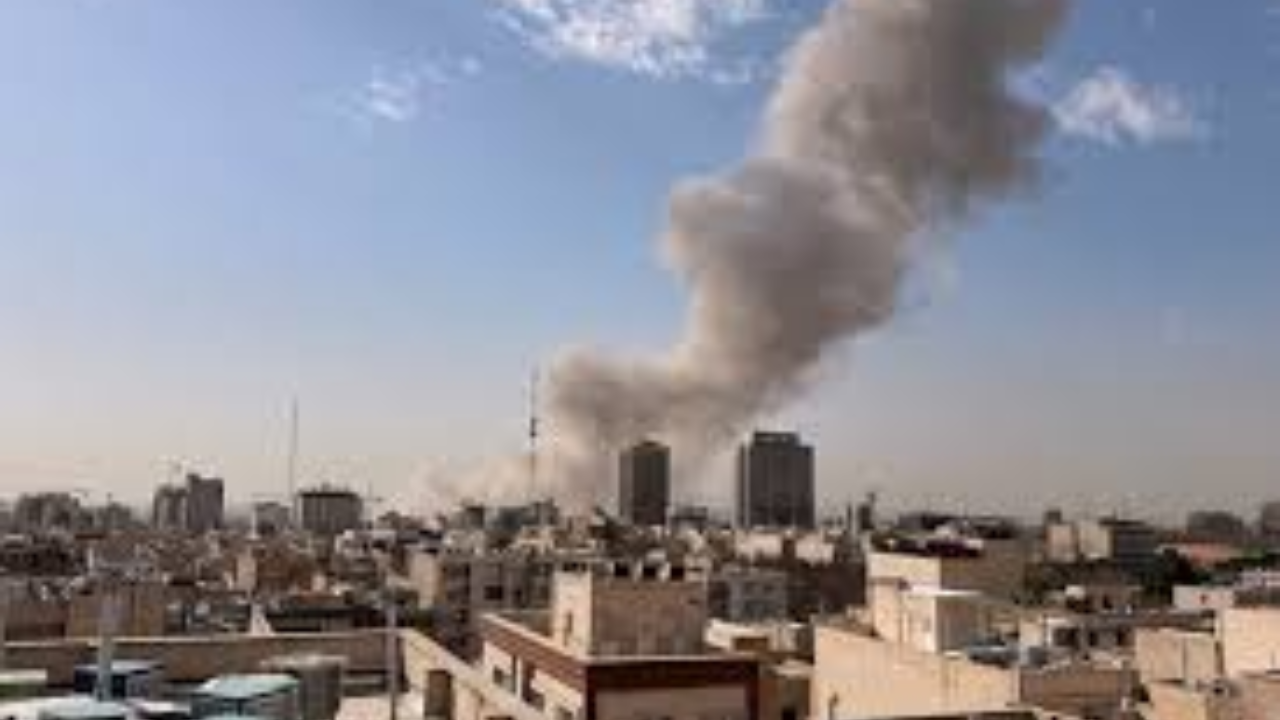
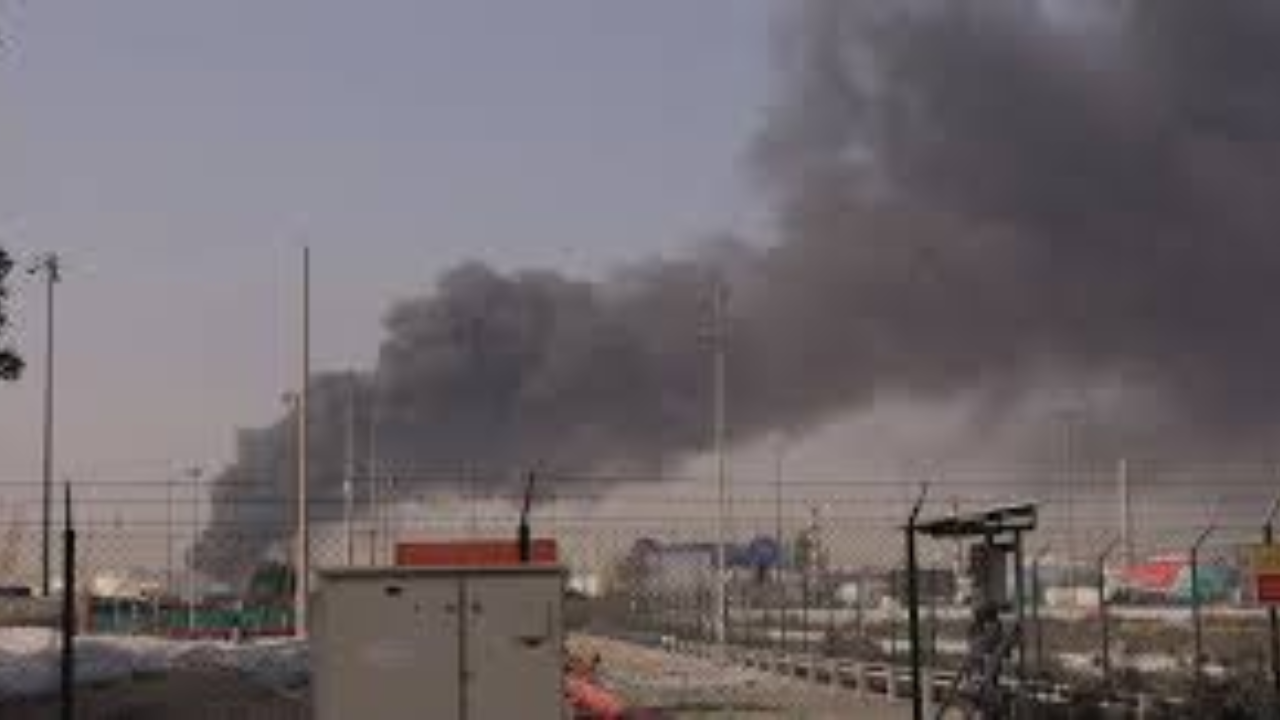
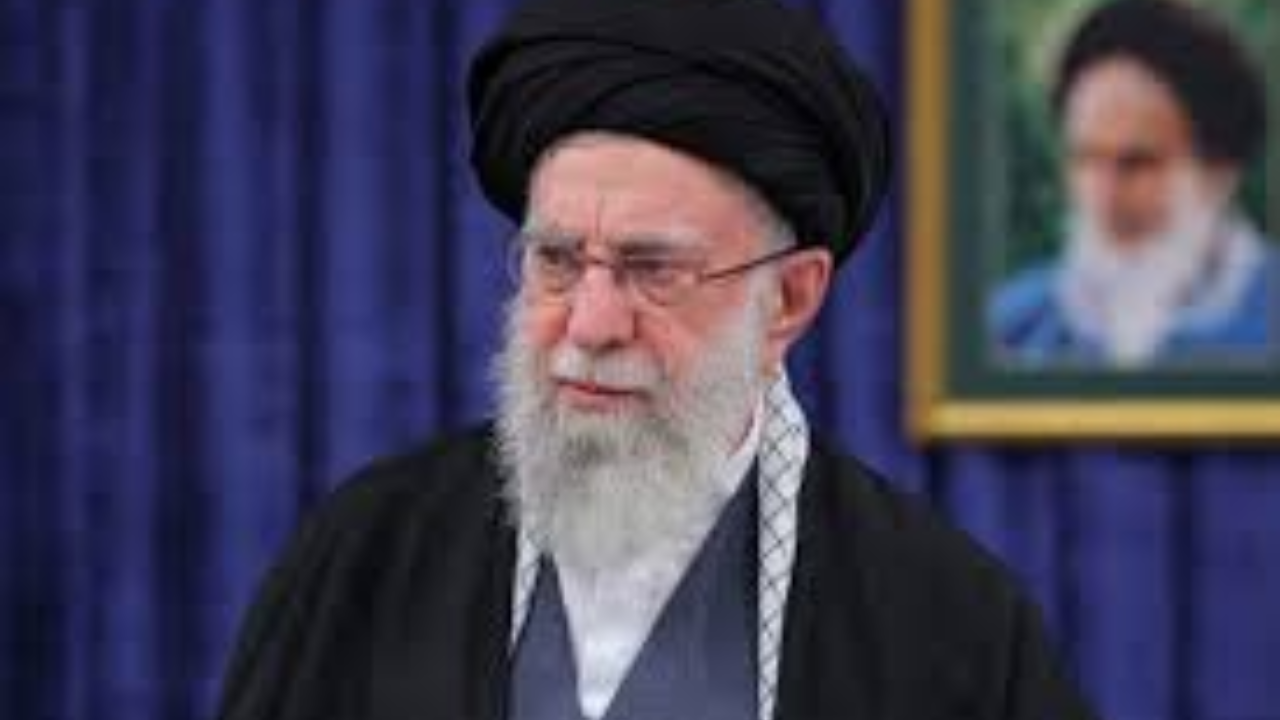
| Epic Fury | Feb 28, 2026 | Iran | Direct strike on leadership and nuclear infrastructure. |
| Absolute Resolve | Jan 3, 2026 | Venezuela | Targeted capture of Nicolás Maduro and his inner circle. |
| Hawkeye Strike | Dec 19, 2025 | Syria | Decimation of ISIS cells following U.S. casualties. |
| Midnight Hammer | June 22, 2025 | Iran | Precision B-2 strikes on hardened nuclear facilities. |
| Rough Rider | Spring 2025 | Yemen | Sustained air campaign against Houthi maritime threats. |
Redefining “America First”
The administration is currently navigating a ideological divide within its own base:
- The “Strength” Argument: Proponents argue this isn’t “nation-building”—the bane of the original America First movement—but rather surgical decapitation. The logic is that by using overwhelming force early, the U.S. avoids the “sunk cost” of 20-year occupations.
- The Isolationist Backlash: Critics within the GOP argue that these strikes risk the very “globalist” entanglements Trump campaigned against, potentially sparking a regional conflagration that would require a massive, long-term troop presence.
The Bottom Line: While the campaign promised a retreat from the world stage, the reality has been a series of “maximum pressure” military strikes that have redefined the boundaries of 21st-century American foreign policy.