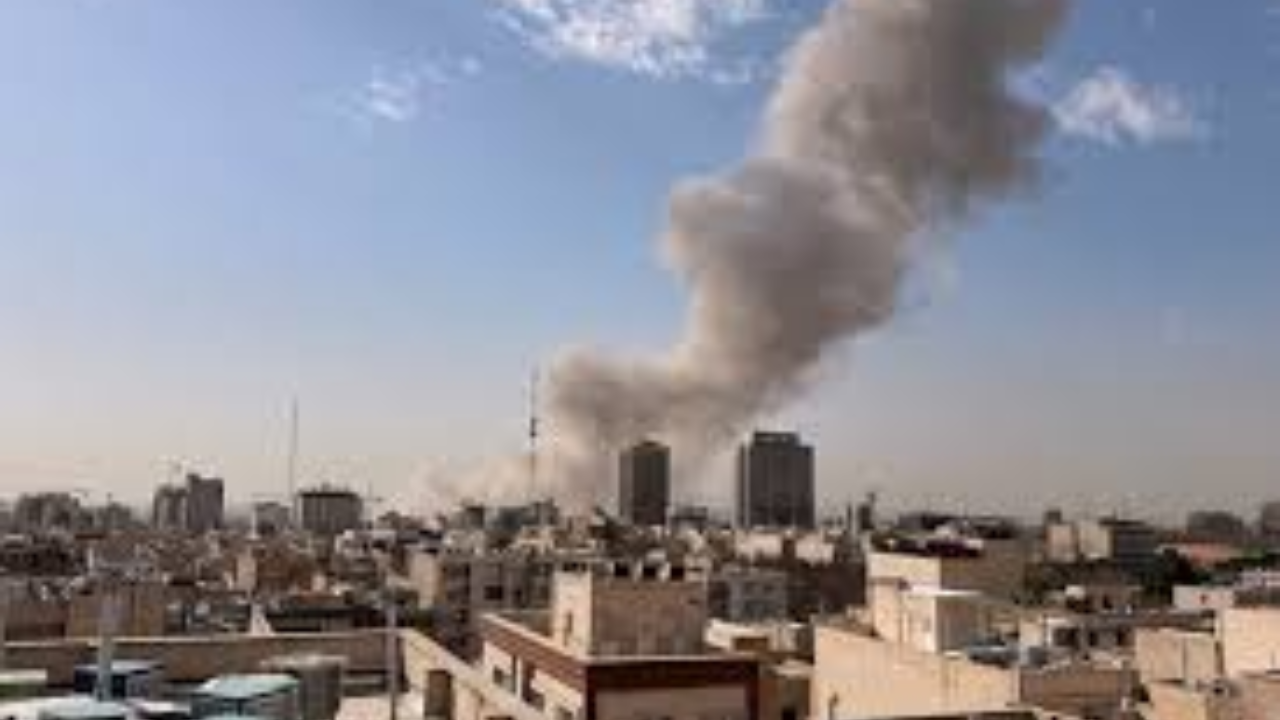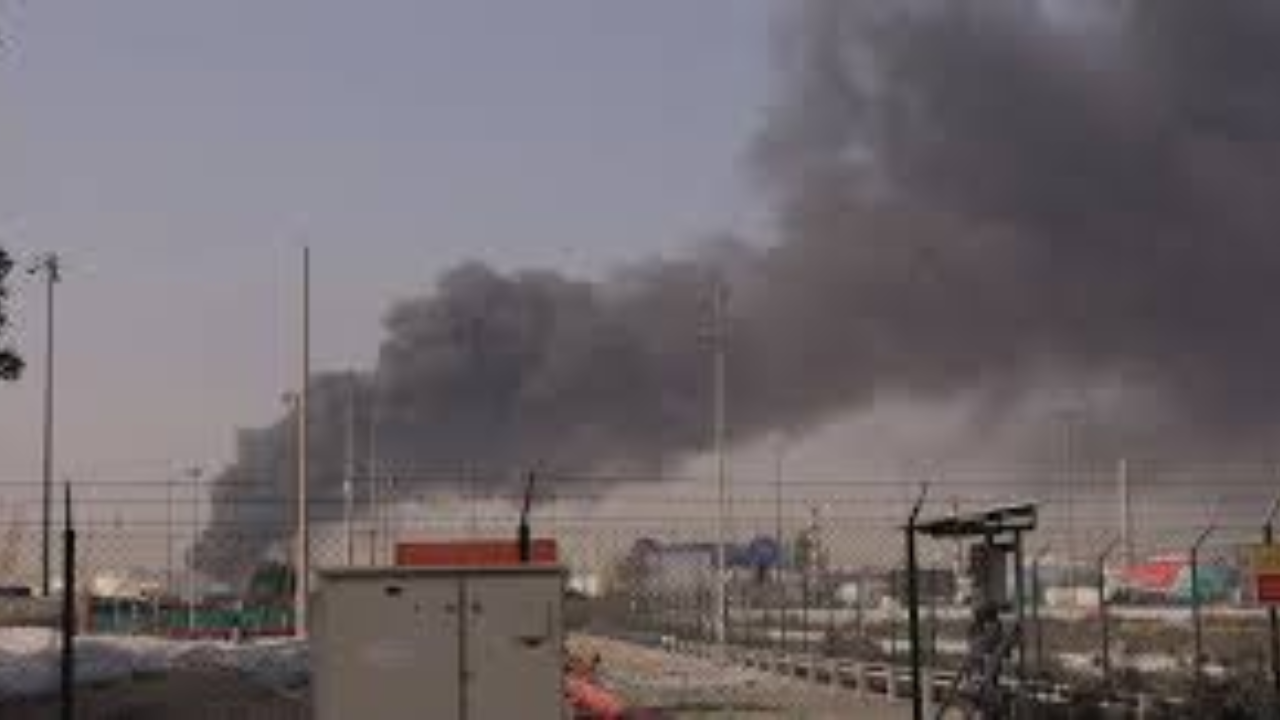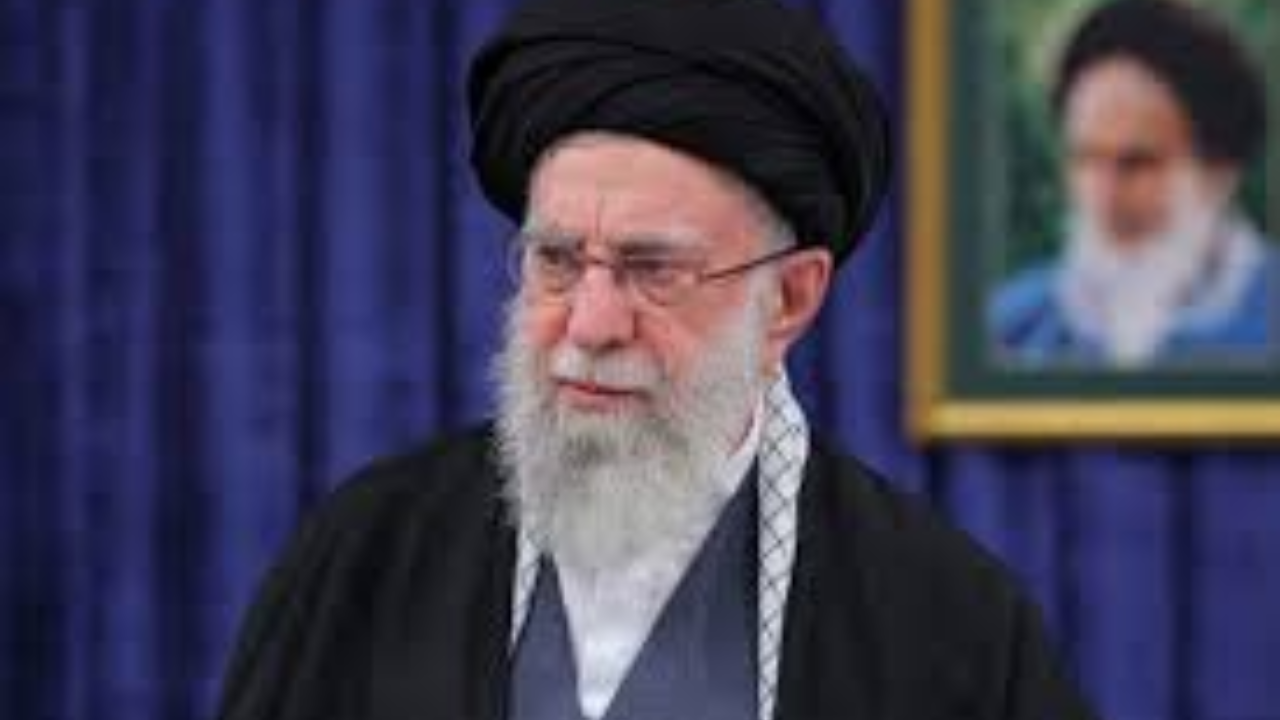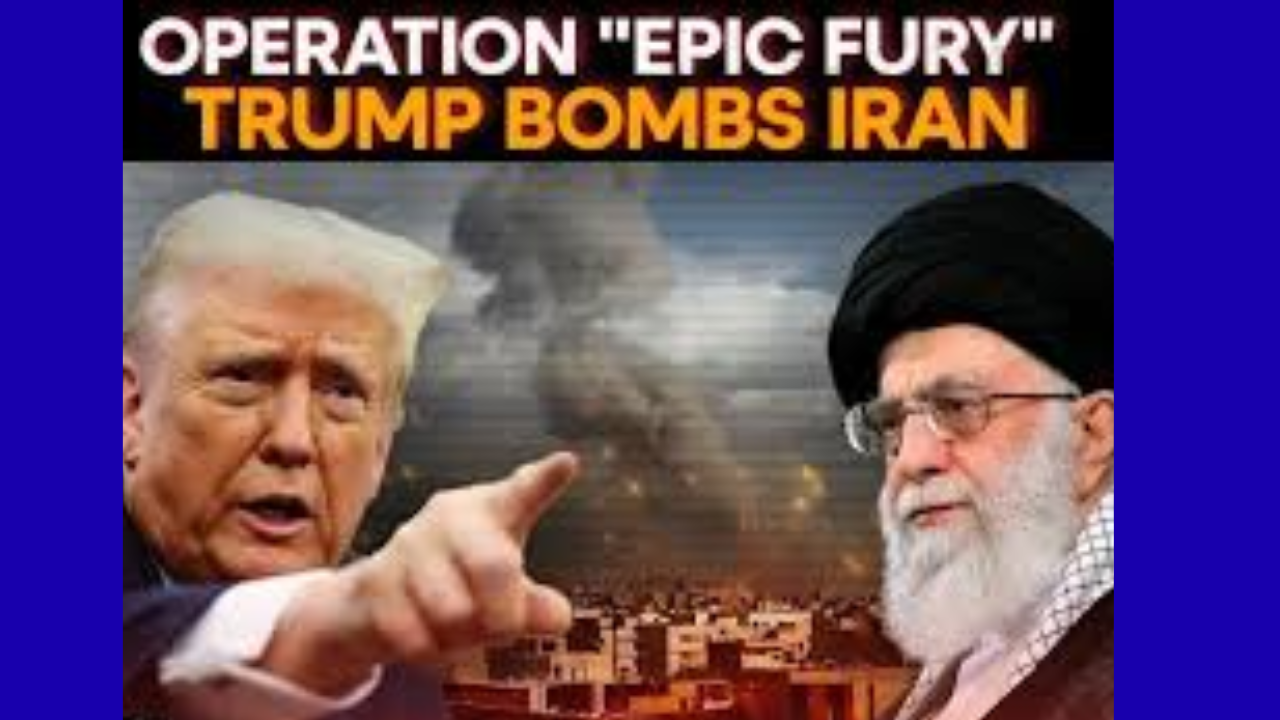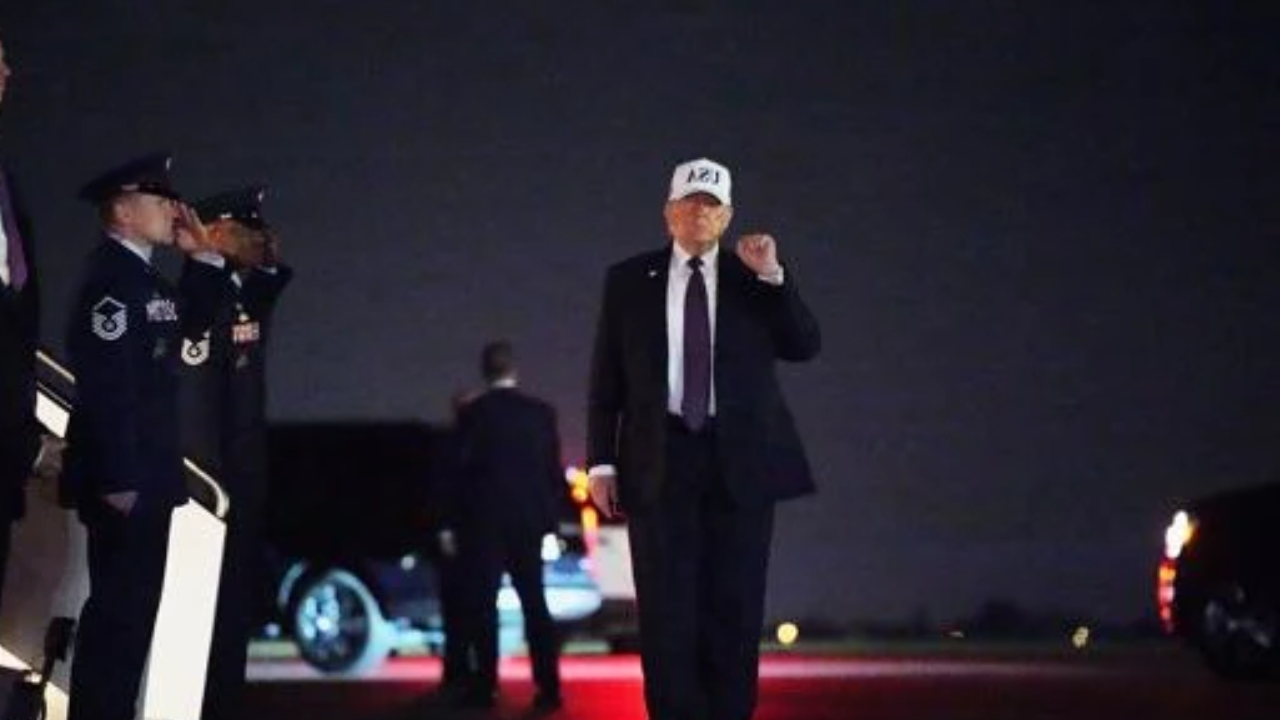
For years, Donald Trump built his political brand on ending “endless wars.” However, the military operations of February 2026 signaled a total reversal of that doctrine. Here is the strategic evolution that turned a skeptic into a regime-change advocate.
Thank you for reading this post, don't forget to subscribe!1. The Death of the “Art of the Deal”
2. The “Maduro Model”
The January 2026 removal of Nicolás Maduro in Venezuela changed the math in the Oval Office. This operation served as a proof-of-concept:
- Speed: It was a surgical strike rather than a decade-long occupation.
- Result: It achieved a total political reset with minimal U.S. “boots on the ground.” The success in Caracas convinced Trump that he could topple a regime without the quagmire of the Iraq War.
3. Exploiting Domestic Fractures
By late 2025, Iran was reeling from internal chaos. Economic collapse and a violent crackdown on protesters signaled to the White House that the Islamic Republic was a “house of cards.” Trump’s advisors pivoted from a policy of containment to one of acceleration, believing that a few well-placed military strikes would provide the spark for the Iranian people to finish the job.
4. Testing the Waters: Operation Midnight Hammer
The June 2025 strikes on nuclear facilities functioned as a “stress test.” When Iran’s retaliation proved surprisingly limited, the administration’s internal “hawks” argued that Tehran was a “paper tiger.” This effectively erased Trump’s fear of a third World War, making the February 2026 decapitation strikes feel like a manageable risk.
5. The “Legacy” Factor
As Trump moved into the second year of his final term, his focus shifted from short-term wins to historical legacy. Influenced by regional allies and a desire to be the president who finally “solved” the Iran problem, he opted for raw military power over containment. He rebranded himself not as an isolationist, but as a “decisive closer” on the world stage.
Key Takeaway: Trump didn’t abandon “America First”; he redefined it. In his view, the cost of a surgical regime change in 2026 became cheaper than the cost of a nuclear-armed Iran in 2027.