The military campaign launched on February 28, 2026, has thrust the Middle East into a transformative and volatile era. While the U.S. and Israel have framed Operation Epic Fury as a liberation of the Iranian people, the early hours of the conflict suggest a dangerous disconnect between the goal of “regime change” and the ability to actually enforce it without a catastrophic regional price.
Thank you for reading this post, don't forget to subscribe!The Aggressor’s Gambit
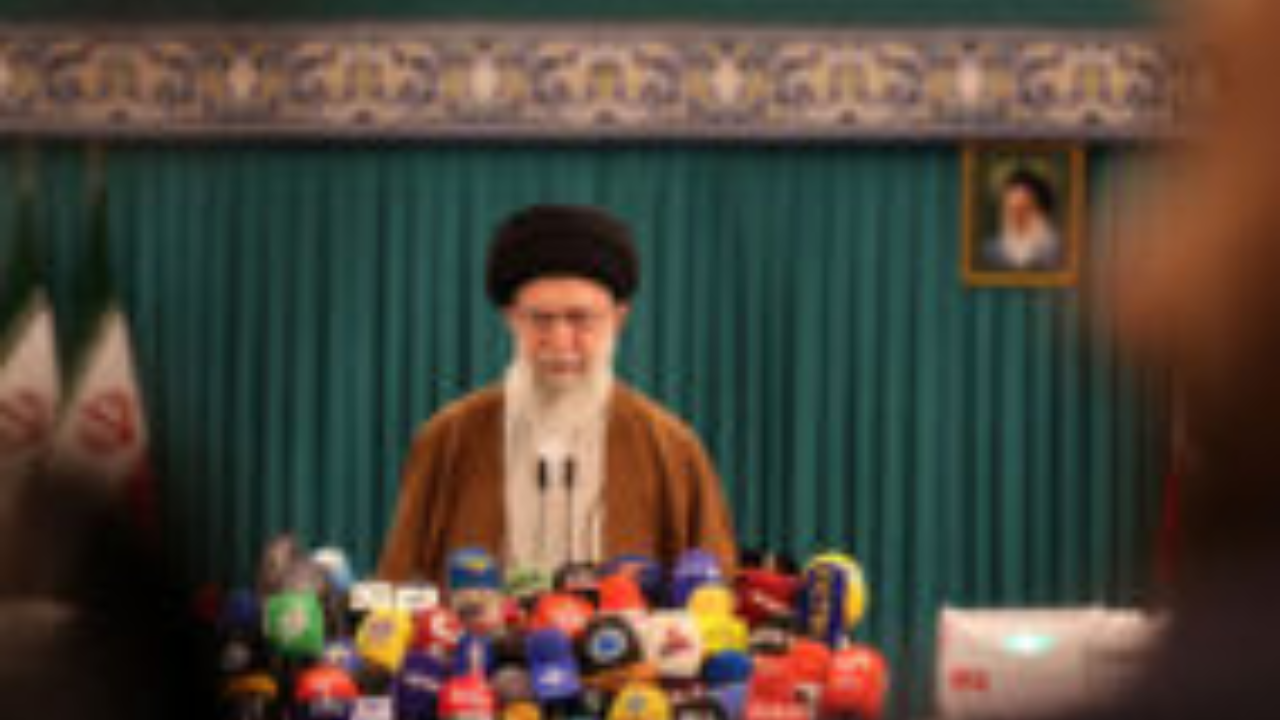
The United States has pivoted from decades of “maximum pressure” to a policy of active decapitation. By targeting the Supreme Leader’s compound and IRGC command centers, the coalition is betting on a “house of cards” theory—that removing the top tier of leadership will cause the state to spontaneously collapse.
However, history and current intelligence suggest several flaws in this pursuit:
- The Power Vacuum: Even if leadership is neutralized, the IRGC’s decentralized command structure is designed to survive “top-down” strikes.
- Nationalist Rallying: Initial reports indicate that instead of a mass uprising, the strikes on civilian infrastructure (including the tragic hit on an Isfahan school) are fueling a defensive nationalist sentiment.
Tehran’s Regional Retaliation
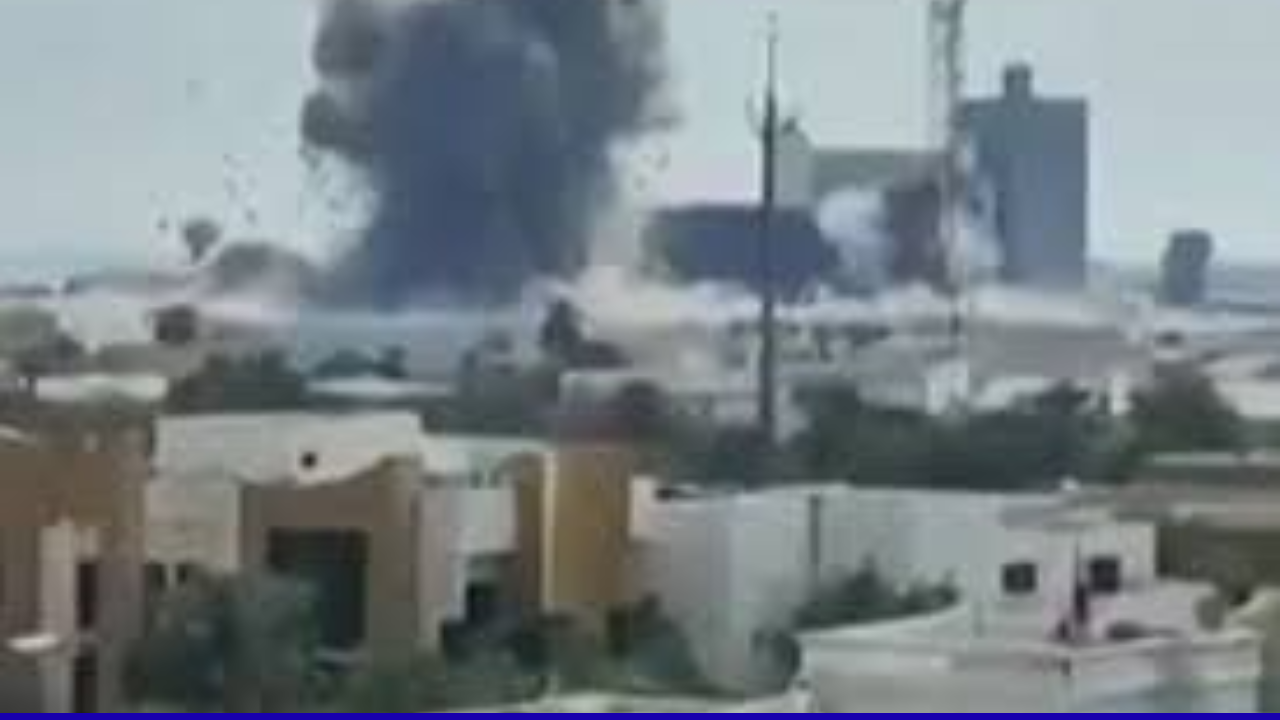
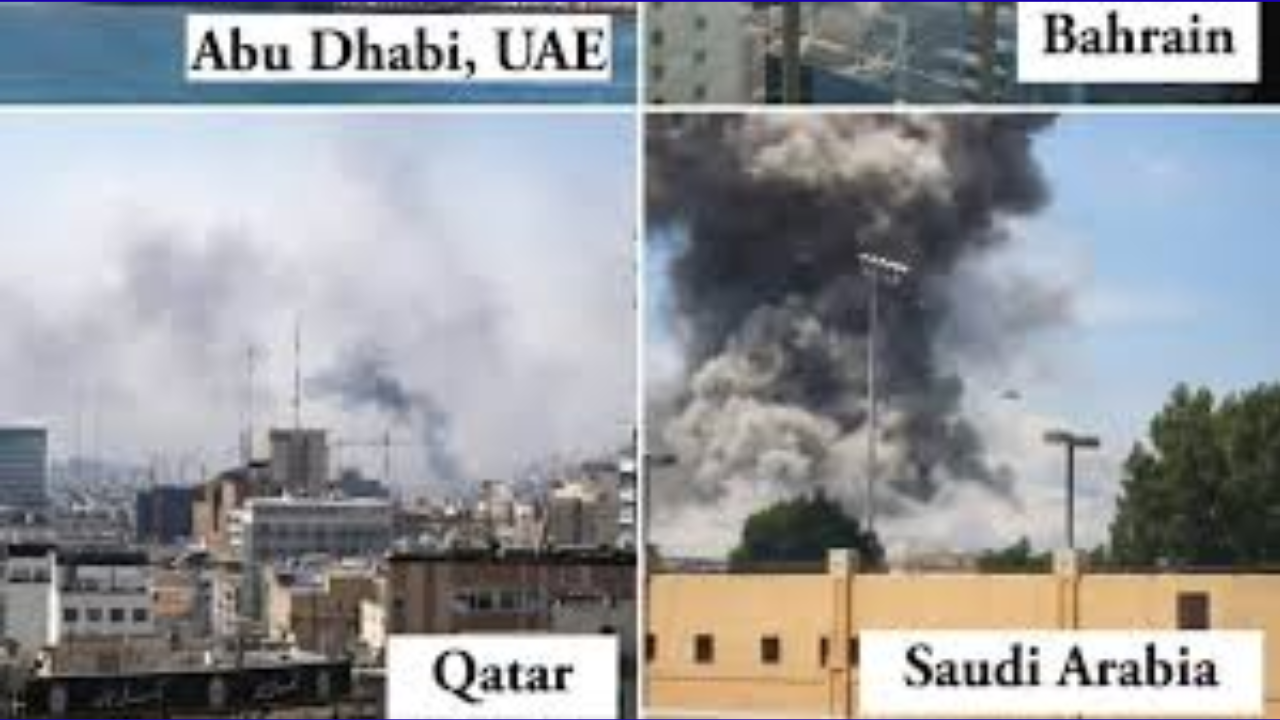
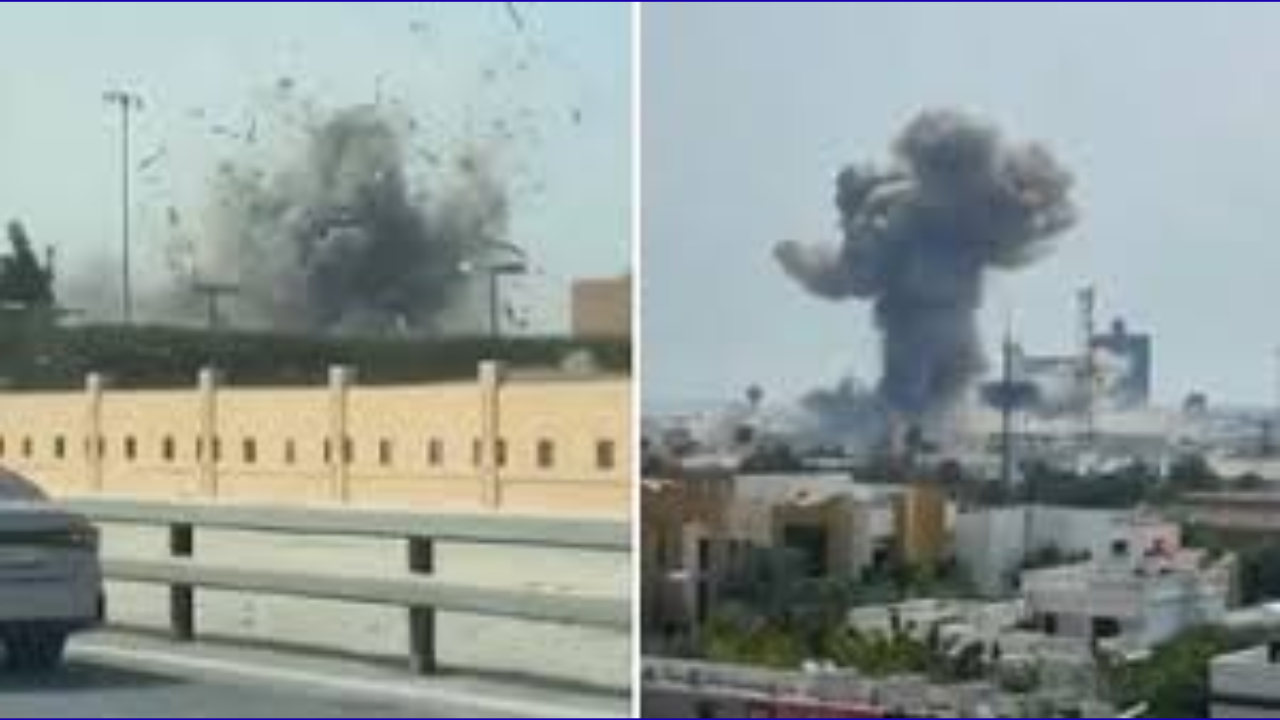
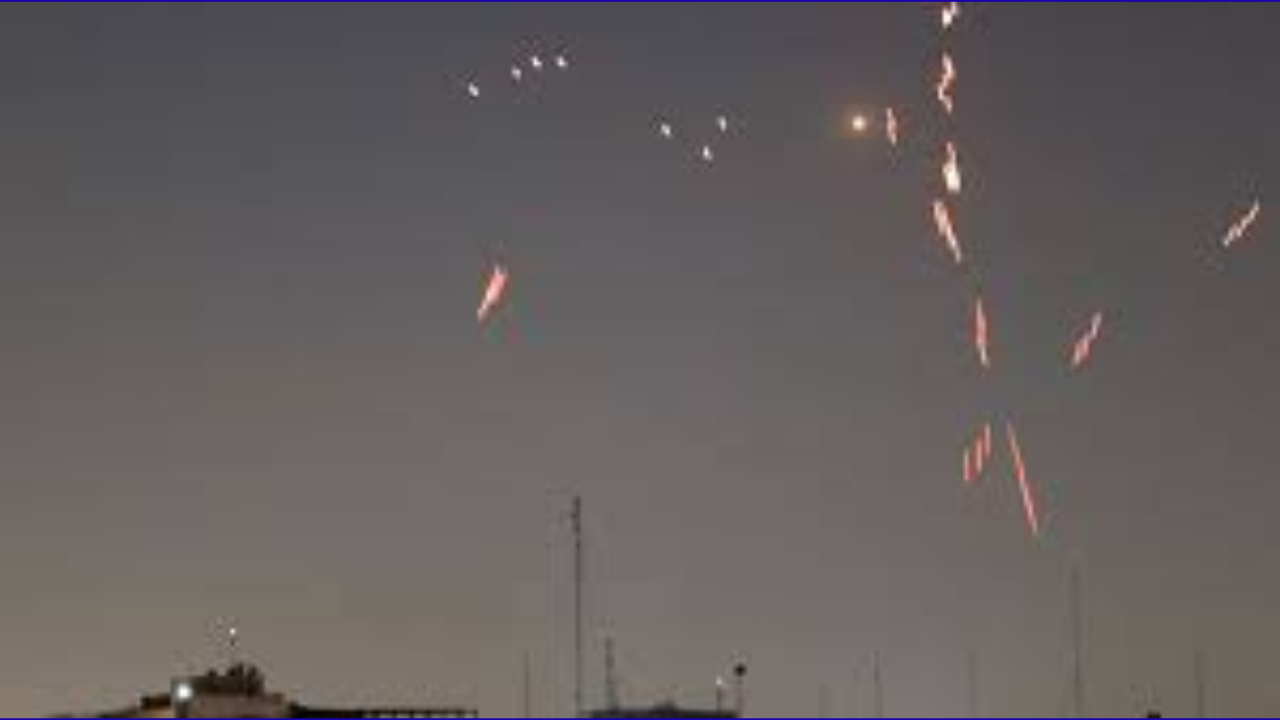
Iran has responded not by engaging the U.S. Navy in a traditional blue-water battle, but by turning the Persian Gulf monarchies into a front line. By striking U.S. bases in Bahrain, Qatar, and the UAE, Tehran is sending a clear message: If we burn, the entire global energy market burns with us.
The “Hostage” States:
- The UAE & Bahrain: These nations find themselves caught in the “complicity trap.” Hosting U.S. assets has made them targets for Iranian drones and missiles, resulting in civilian damage in Dubai and Manama.
- The Energy Pivot: With Iran attempting to seal the Strait of Hormuz, the U.S. is pursuing a political goal it cannot force through airpower alone, as the economic fallout may collapse Western support for the war before the regime in Tehran ever buckles.
The Reality of “Force”
The central irony of the current conflict is that the U.S. is attempting to achieve a ground-war outcome (regime change) using only air-war tools.
“Airpower can destroy a regime’s hardware, but it rarely deletes its ideology. Without boots on the ground—an option the U.S. public has no appetite for—Washington is pursuing a phantom victory.”
| Strategic Asset | Current Status | Impact |
| U.S. 5th Fleet | Under active fire in Bahrain | Operational but strained by saturation attacks. |
| Iranian Missile Corps | High mobility; 70% operational | Continues to threaten Gulf oil infrastructure. |
| The “Street” | Protests reported, but uncoordinated | The “spontaneous revolution” has yet to materialize. |
Conclusion: A Cycle of Escalation
As of March 1, 2026, the U.S. is caught in a strategic paradox. It has unleashed enough force to destabilize the region and invite retaliation against its allies, but perhaps not enough to actually “topple” a regime that has spent 40 years preparing for this exact scenario. The Gulf is no longer just a theater of war; it is a test of whether American military might can still dictate the political fate of a sovereign nation.