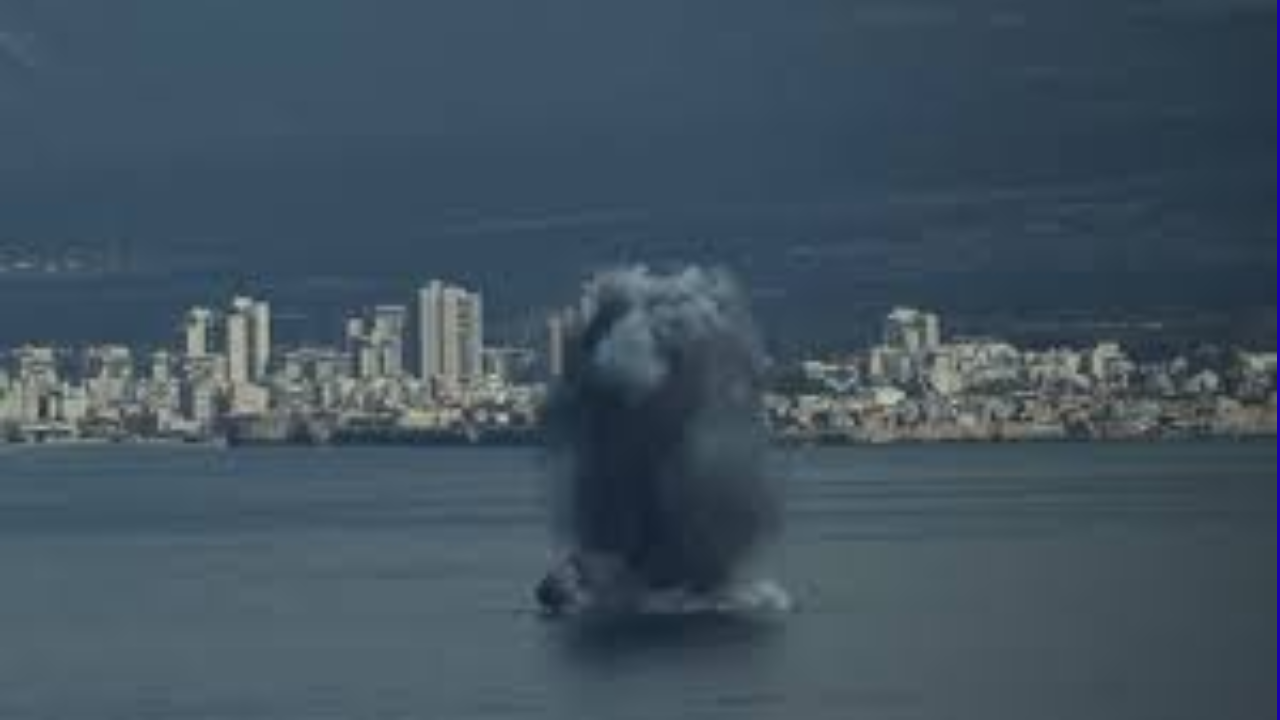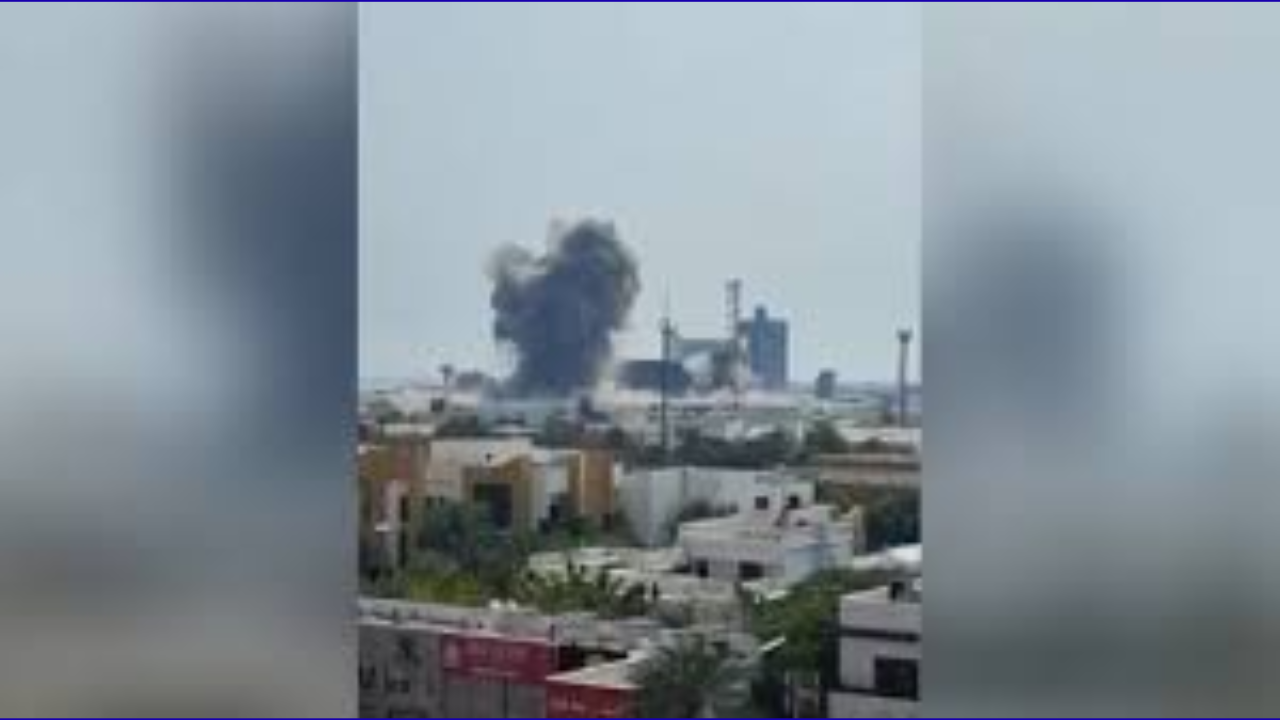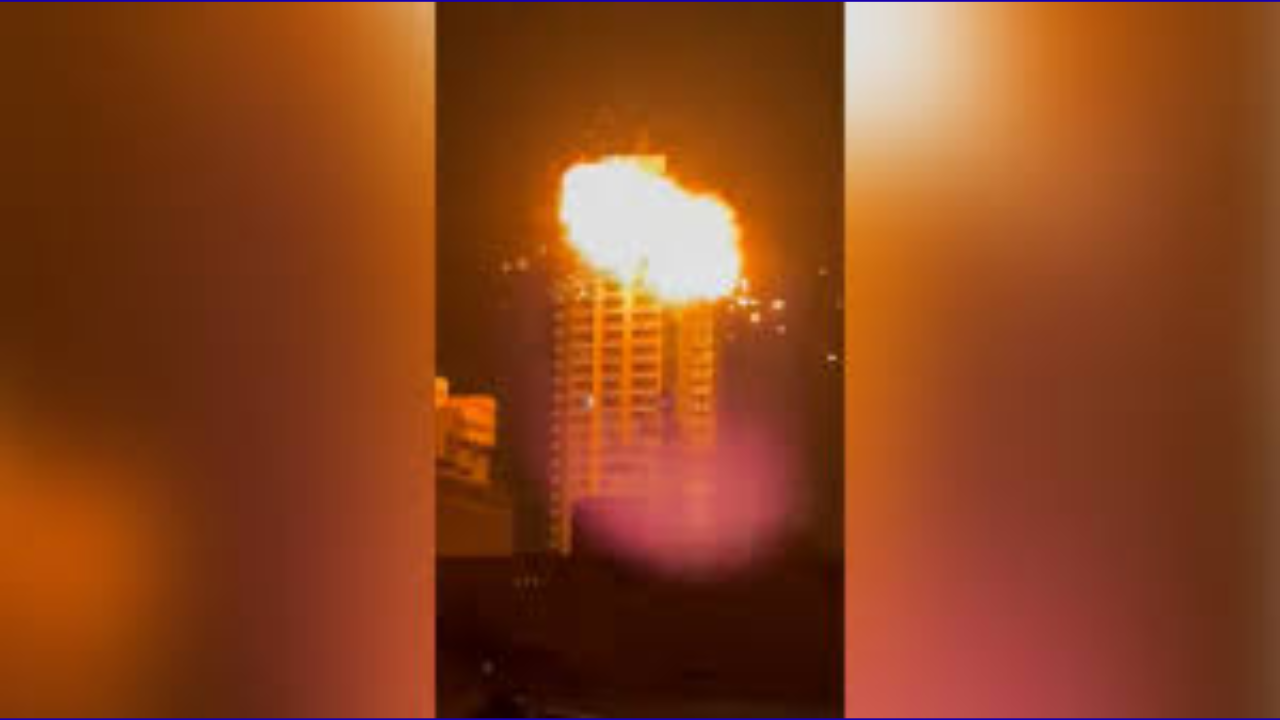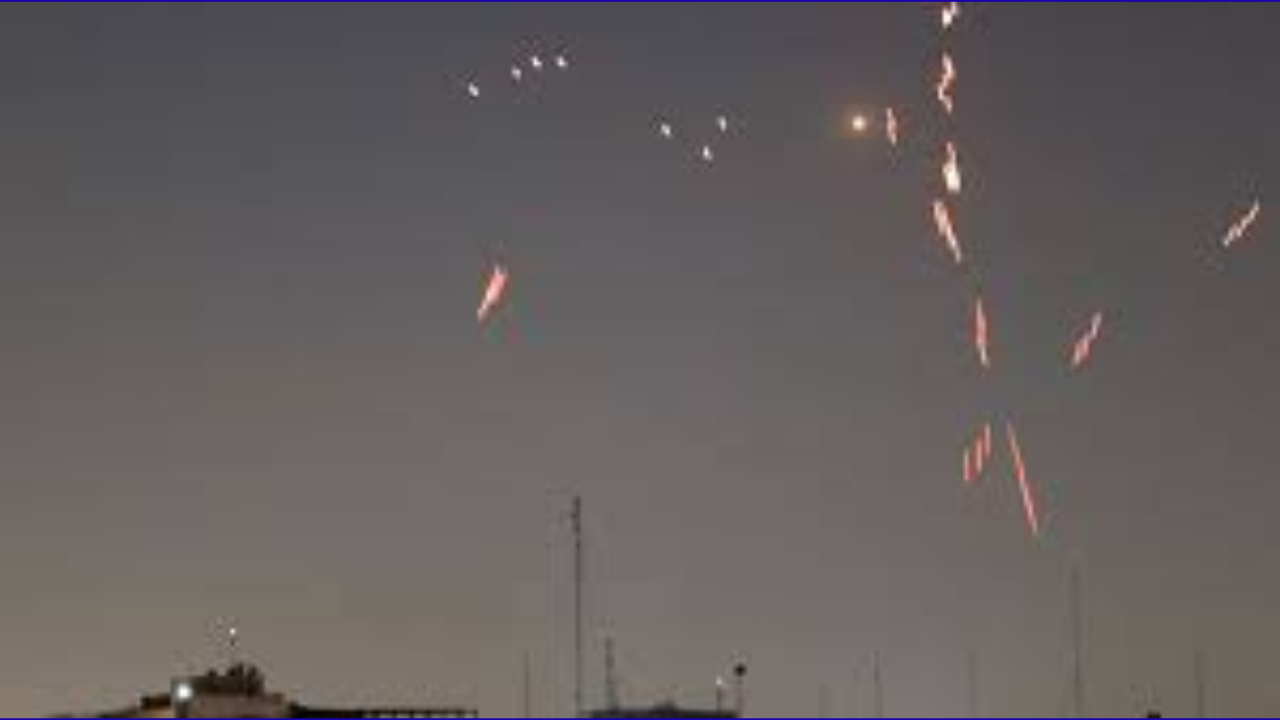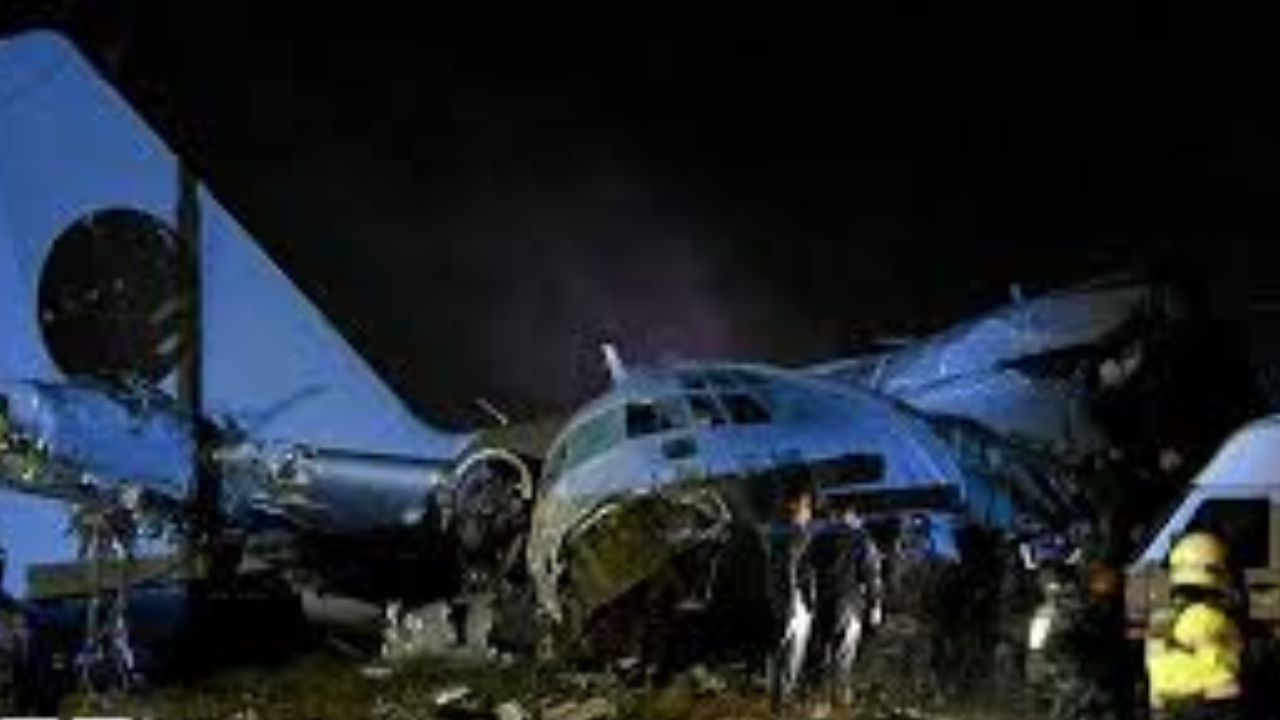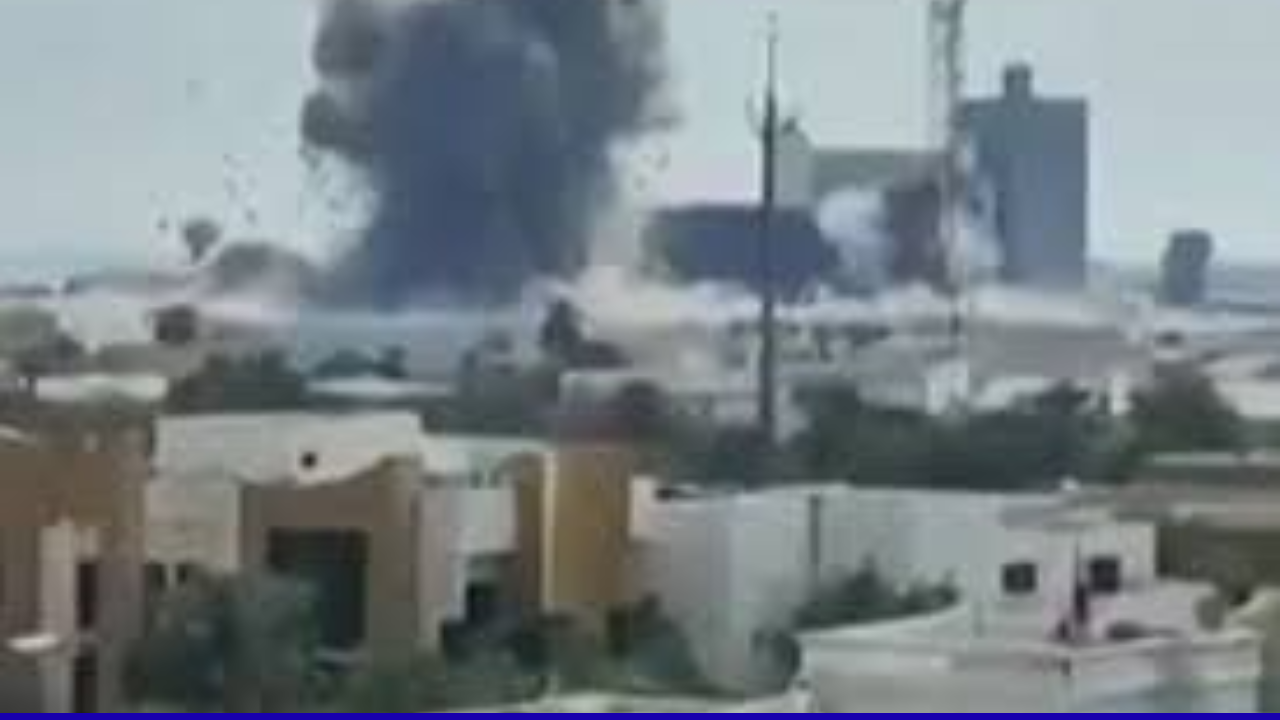
TEHRAN/WASHINGTON — In a Saturday night of unprecedented aerial combat, U.S. and regional air defenses successfully neutralized a heavy barrage of Iranian drones and ballistic missiles. The escalation follows the launch of Operation Epic Fury, a joint U.S.-Israeli offensive targeting Iran’s core military infrastructure.
Thank you for reading this post, don't forget to subscribe!The Engagement at a Glance
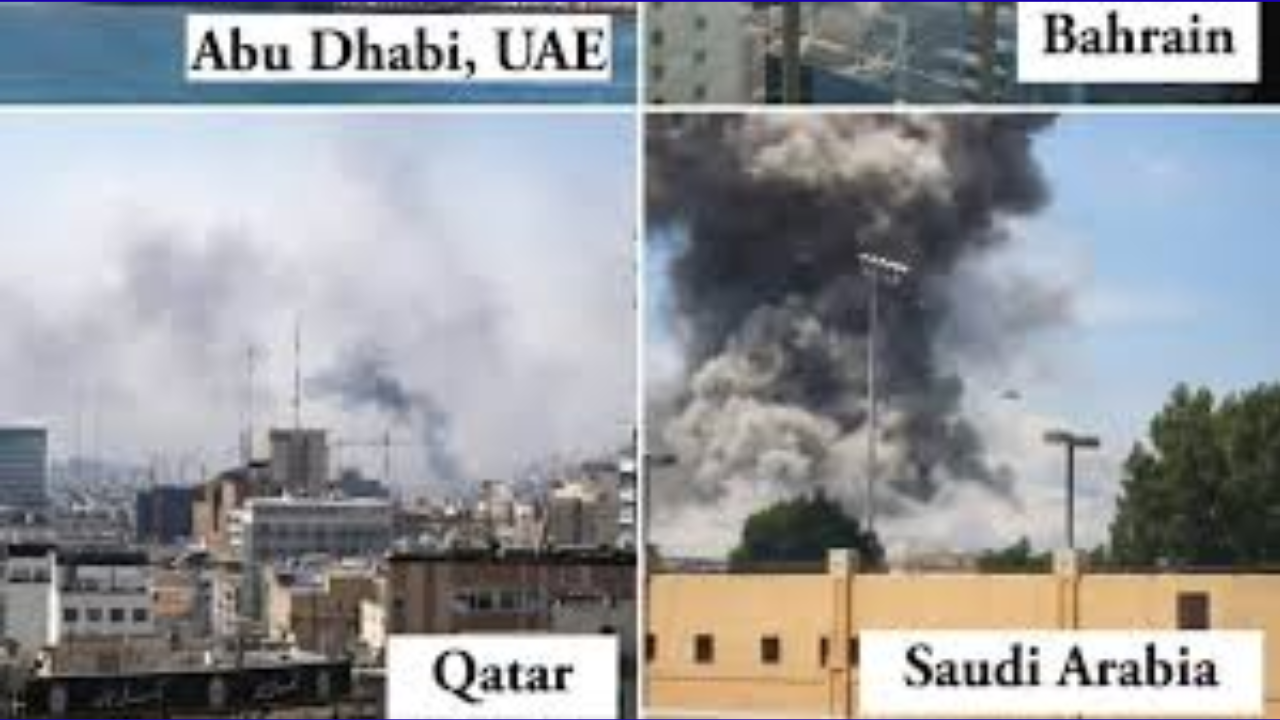
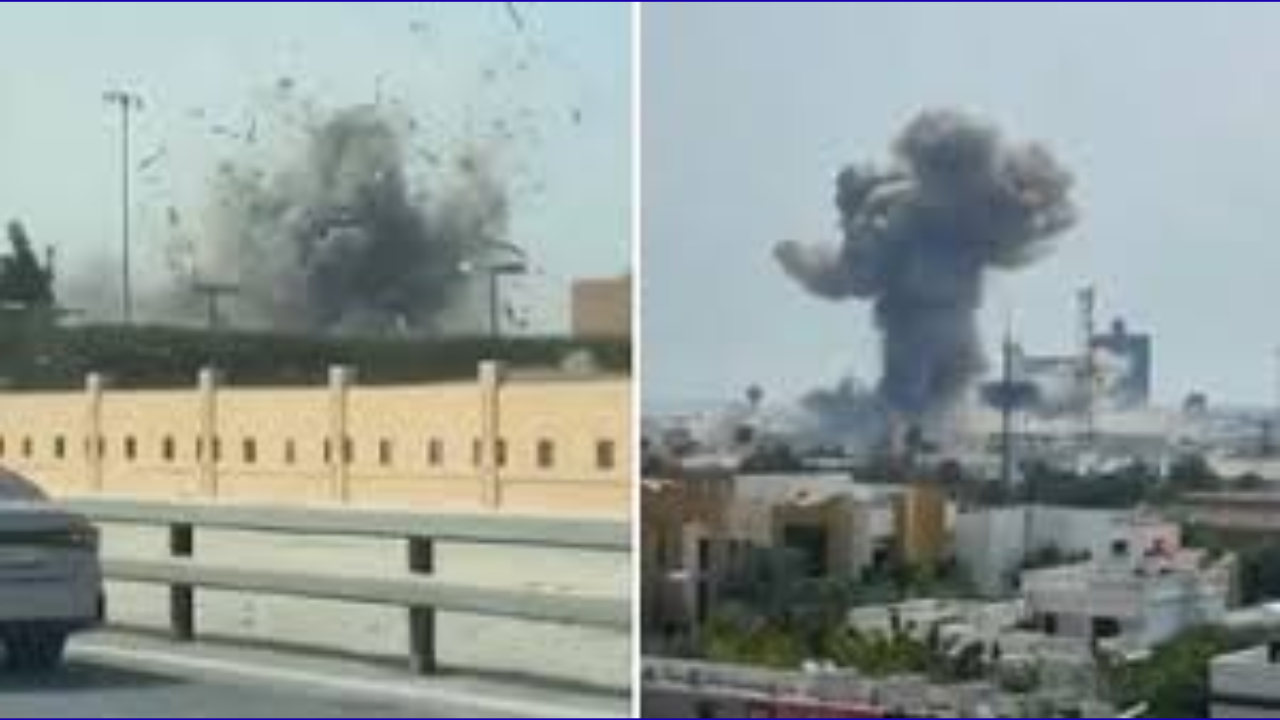
The retaliatory strike from Tehran targeted multiple high-value sites across the Middle East. Preliminary reports indicate:
- Regional Defense: U.S. assets, alongside partner forces in Jordan, Qatar, and the UAE, engaged waves of incoming threats. Jordan alone confirmed the destruction of 13 ballistic missiles over its territory.
- Infrastructure Targets: Strikes focused on the U.S. Fifth Fleet (Bahrain) and Al-Udeid Air Base (Qatar).
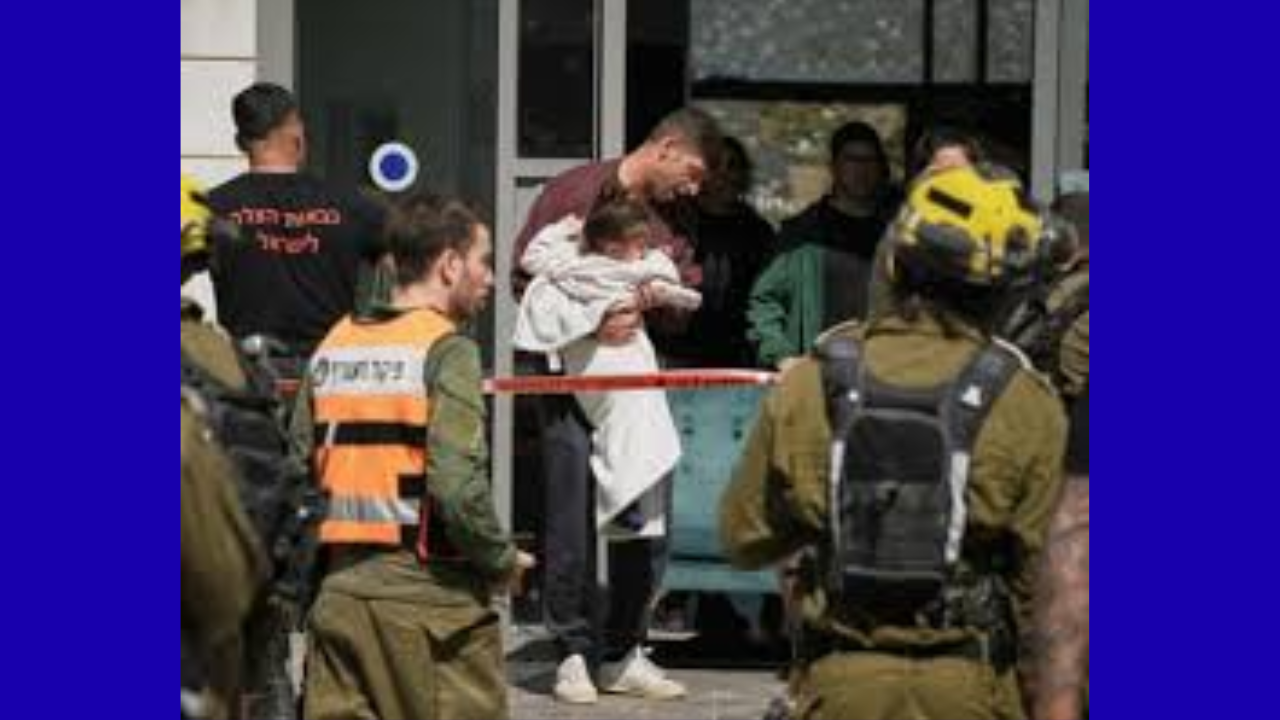
- Civilian Impact: While most interceptions were successful, falling debris in Abu Dhabi resulted in one confirmed fatality. In Israel, shrapnel from high-altitude intercepts caused several injuries.
Strategic Overview: Operation Epic Fury
The current conflict stems from a massive preemptive campaign authorized by the U.S. and Israel, aimed at dismantling Iran’s long-range capabilities.
| Objective | Description |
| Primary Targets | IRGC command centers, missile production plants, and nuclear sites. |
| Political Stance | U.S. leadership has signaled support for internal Iranian regime change. |
| Duration | Pentagon officials suggest the campaign may last several weeks. |
The Current “Fog of War”
The geopolitical landscape remains volatile as the world waits for verification on several fronts:
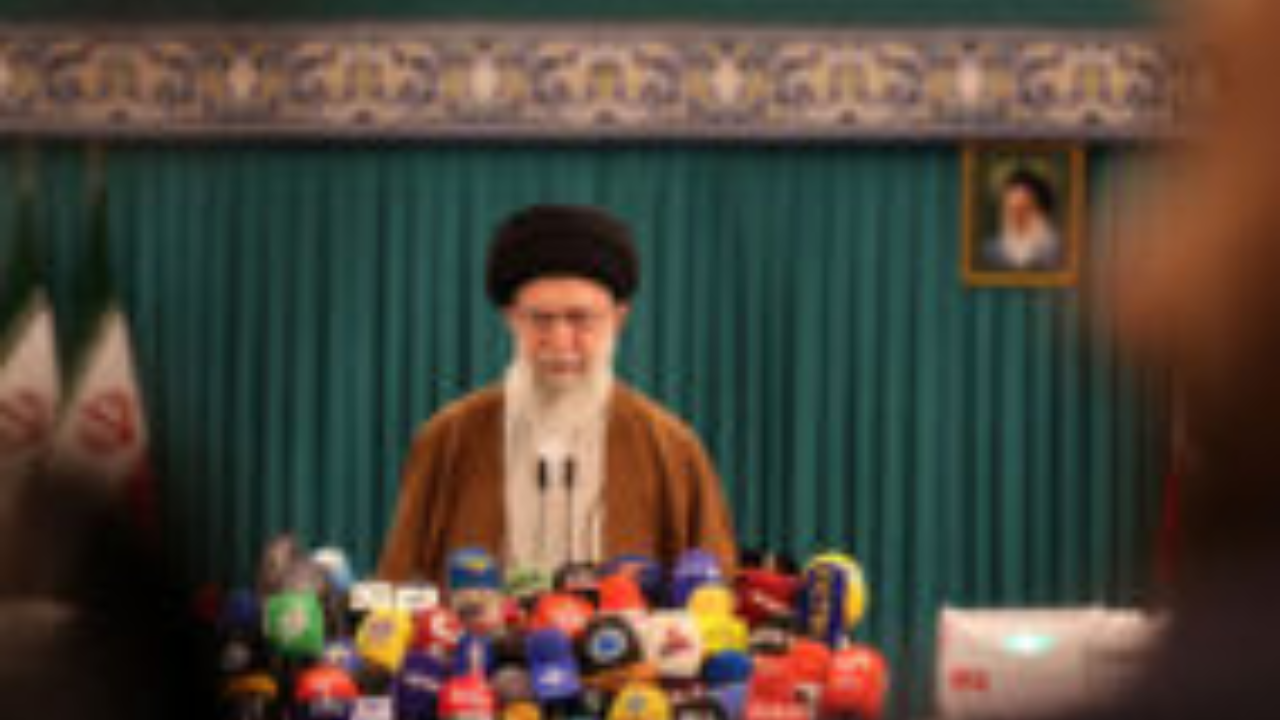
- Leadership Status: Conflicting reports circulate regarding the safety of Supreme Leader Ali Khamenei following a direct strike on his compound.
- Aviation Lockdown: Massive airspace closures remain in effect across Iraq, Jordan, and the UAE.
- Diplomatic Crisis: The UN Security Council has convened an emergency session to prevent a total descent into regional war.