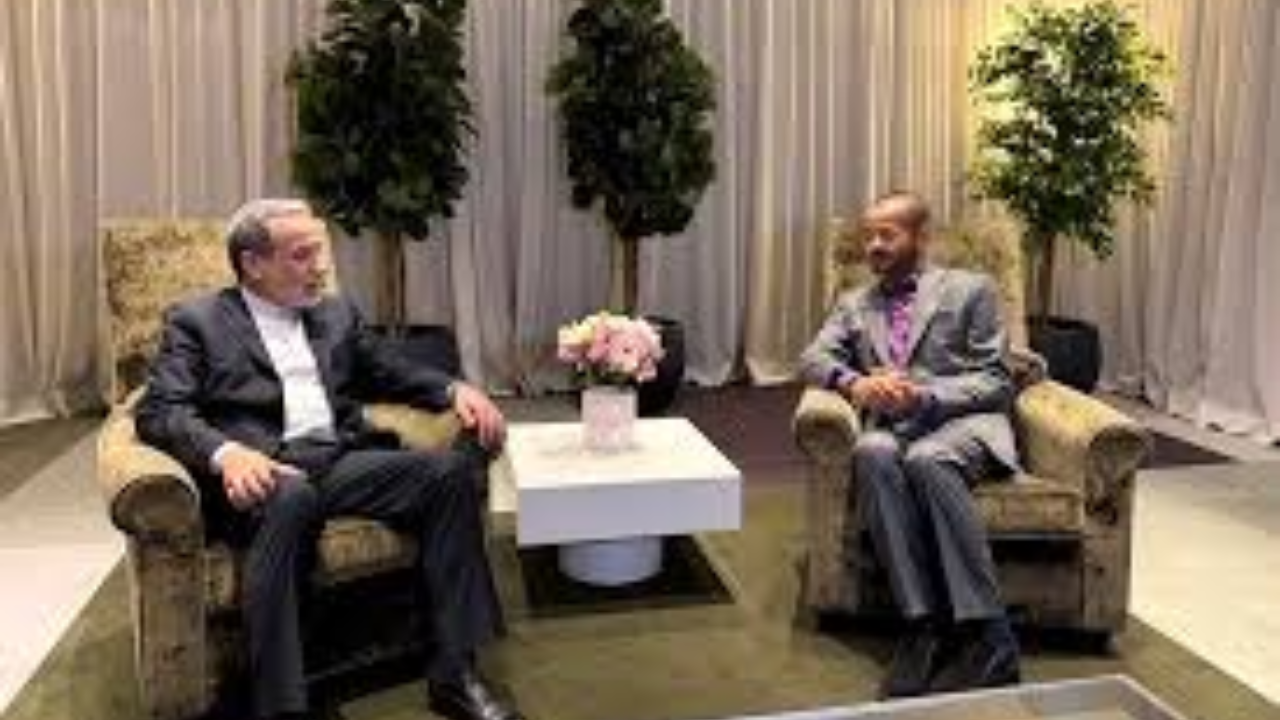
Omani Foreign Minister Sayyid Badr Albusaidi has issued a rare and blunt rebuke of the United States following the February 28, 2026, military strikes against Iran. The statement marks a historic low in the relationship between Washington and its most trusted mediator in the Middle East.
Thank you for reading this post, don't forget to subscribe!A Breakdown in Diplomacy
Albusaidi’s frustration stems from the timing of the strikes. Only hours before the military operation, Oman believed a significant breakthrough in nuclear negotiations was imminent.
- The Accusation: Albusaidi argued that “active and serious negotiations” were sabotaged by the decision to use force.
- The Warning: He warned the U.S. against being “sucked further” into a regional conflict, pointedly telling Washington, “This is not your war.”
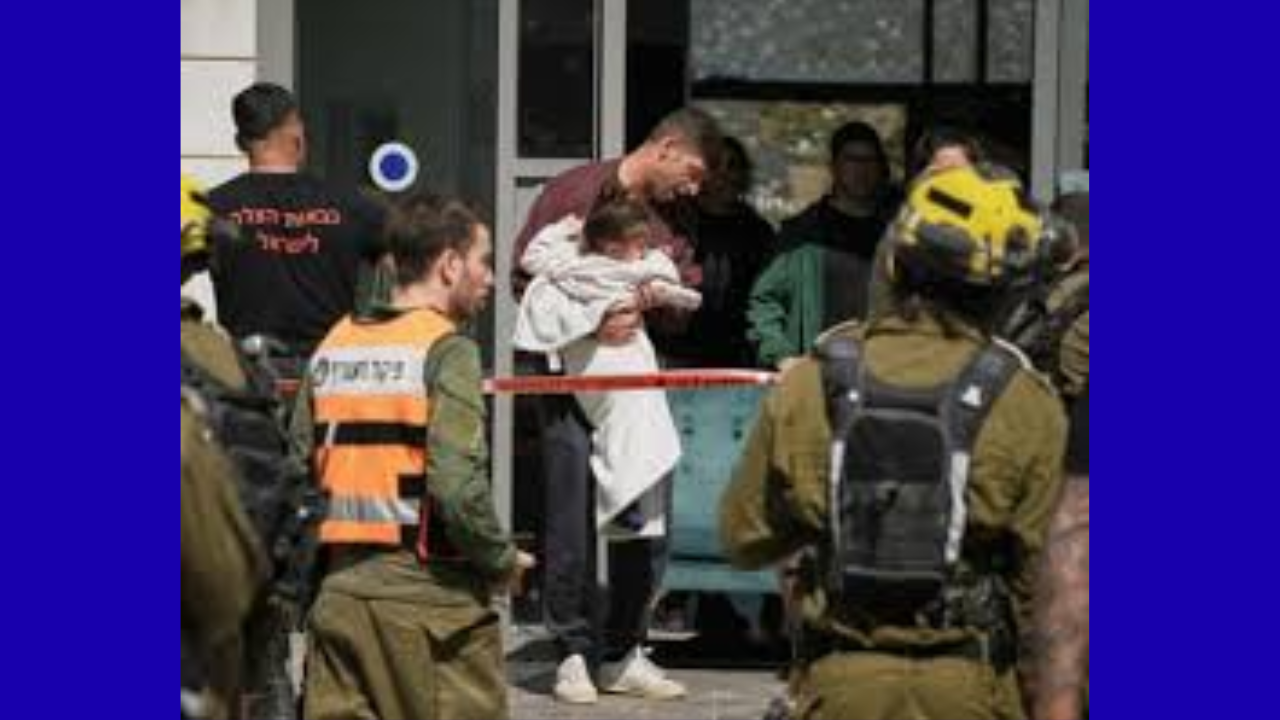
- The Humanitarian Cost: The Minister lamented the inevitable suffering of civilians, stating that military escalation has once again overridden the “substantial progress” made in Geneva.
Context: The “Mediator’s Betrayal”
Oman has long served as the secret backchannel for U.S.-Iran relations. This public condemnation is significant because:
- Direct Engagement: Albusaidi had recently met with U.S. Vice President JD Vance to finalize terms of a “zero stockpiling” nuclear deal.
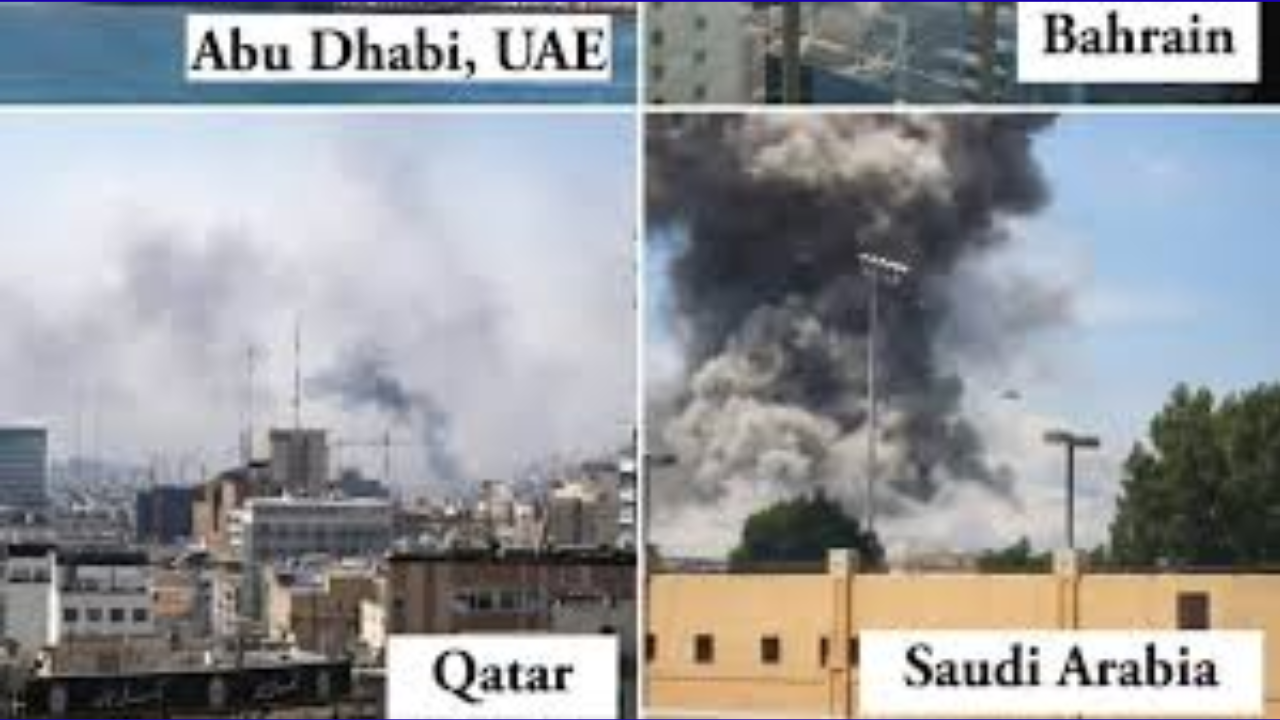
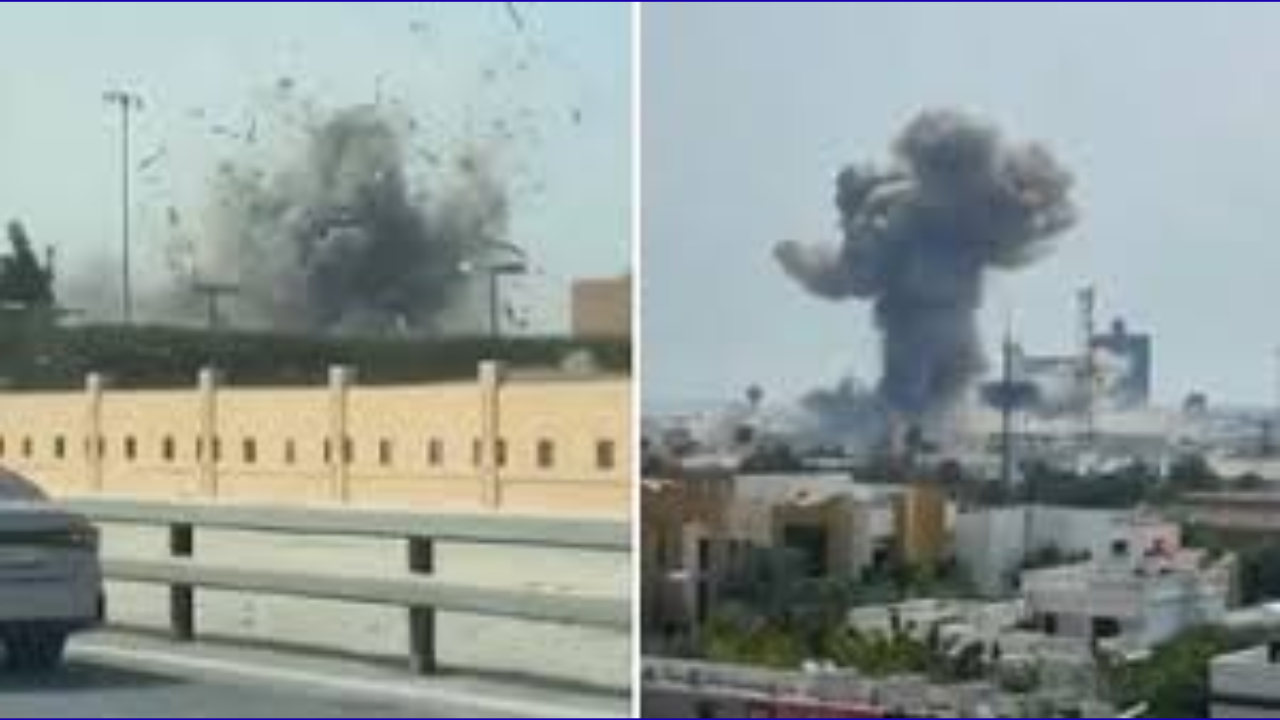
- Regional Fallout: The strikes triggered immediate Iranian retaliation against U.S. bases in Kuwait, Bahrain, Qatar, and the UAE, effectively drawing the entire region into the crossfire.
- End of Neutrality? While Oman typically remains neutral, this rhetoric suggests they view the current U.S. strategy as a threat to regional stability that mediation can no longer fix.