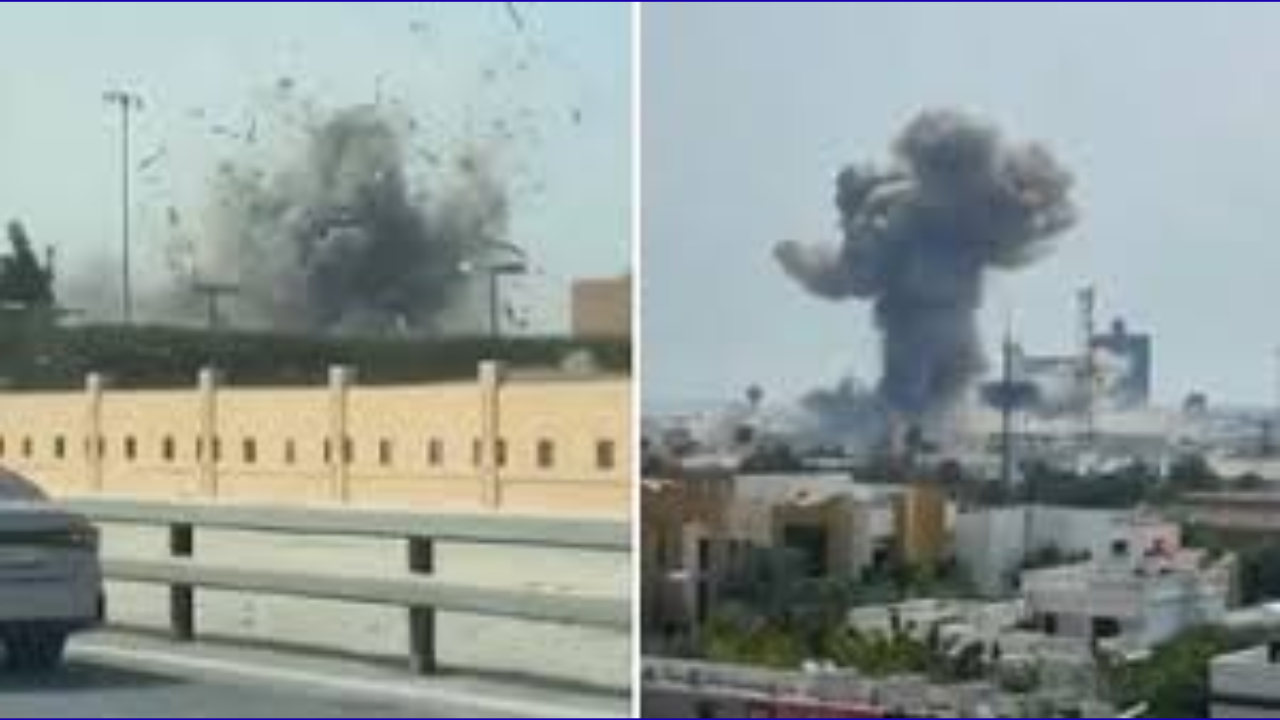
In a move to fulfill statutory requirements while maintaining operational secrecy, the Trump administration briefed the Gang of Eight—the top-tier bipartisan leadership of Congress—shortly before launching Operation Epic Fury against Iran on February 28, 2026.
Thank you for reading this post, don't forget to subscribe!The Timeline of Notification
The administration utilized a two-phase approach to inform congressional leadership:
- The Strategy Session (Feb 24): Four days before the strikes, Secretary of State Marco Rubio and CIA Director John Ratcliffe held a classified session with the group. They presented intelligence suggesting an imminent threat and outlined the strategic necessity of a joint U.S.-Israeli operation.
- The Final “Go” Calls (Feb 27–28): In the hours leading up to the kinetic action, Secretary Rubio initiated personal calls to the members. Reports indicate that seven of the eight leaders were reached directly to be told that the strikes were underway.
Congressional Representation (2026)
The members briefed on the operation included:
- Republicans: John Thune (Senate Majority Leader), Mike Johnson (Speaker of the House), Tom Cotton (Senate Intel Chair), and Rick Crawford (House Intel Chair).
- Democrats: Chuck Schumer (Senate Minority Leader), Hakeem Jeffries (House Minority Leader), Mark Warner (Senate Intel Vice Chair), and Jim Himes (House Intel Ranking Member).
Divergent Perspectives on the Strike
While the briefing met the legal “need to know” standard, it did little to unify the Capitol on the merits of the attack:
“This was a decisive act of strength. The administration communicated its intent clearly, and the necessity of neutralizing Iran’s nuclear infrastructure was long overdue.” — Speaker Mike Johnson
“While we were notified, notification is not the same as authorization. I expressed grave concerns that this escalation risks a regional conflagration that we are not prepared to contain.” — Rep. Jim Himes
Legal and Strategic Implications
The strikes have reignited the perennial debate over Article II powers. While the administration argues the President has the inherent authority to defend national security interests, several members of the Gang of Eight have questioned whether an operation of this magnitude—targeting a sovereign nation’s infrastructure—required a formal Authorization for Use of Military Force (AUMF) from Congress.