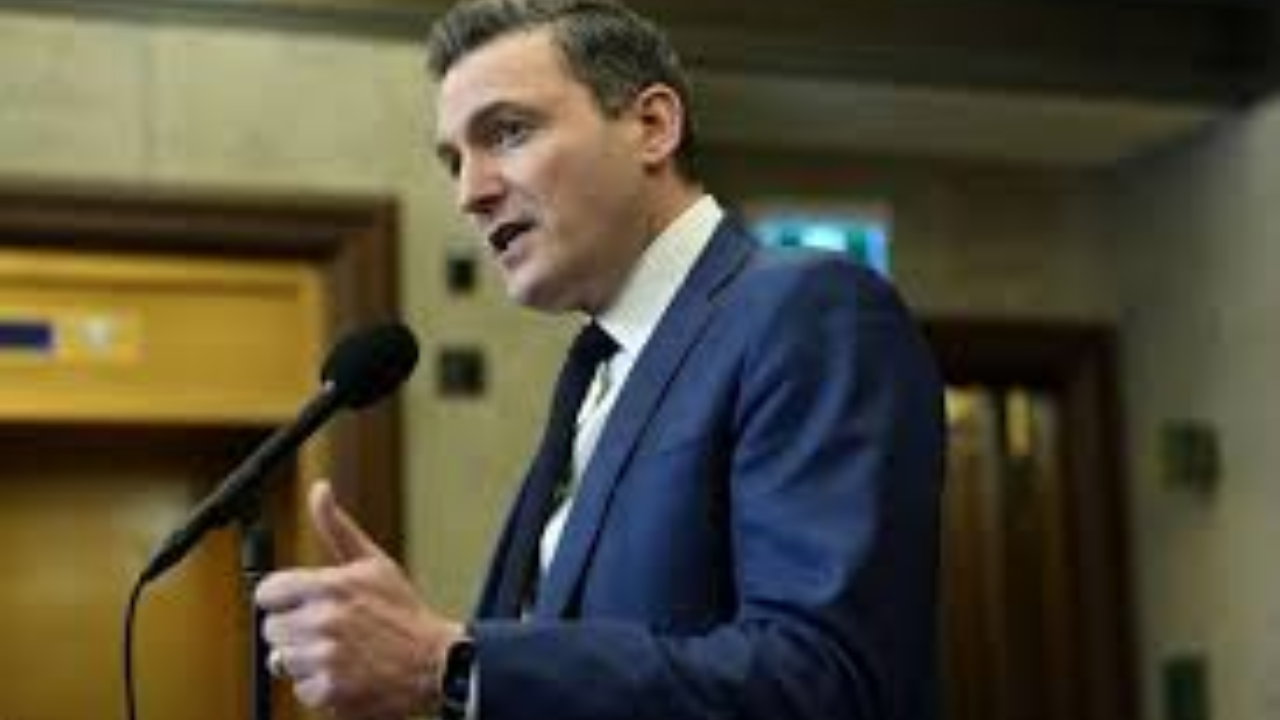
Alberta Finance Minister Nate Horner is hitting the pavement in Calgary today to defend a fiscal plan that has many Albertans doing a double-take. The 2026 Budget marks a sharp departure from recent surpluses, landing the province in a $9.4 billion hole.
Thank you for reading this post, don't forget to subscribe!The “Why”: A Perfect Storm
- The Oil Slump: With WTI prices pegged at a cautious $60.50/barrel, the province’s primary revenue engine has throttled back.
- Growing Pains: A massive population influx has forced the government’s hand on “catch-up” spending for schools and hospitals.
- The “PST” Whisper: In a rare move, Horner hinted that if Albertans want to get off the “resource roller-coaster,” a conversation about a Provincial Sales Tax might eventually be unavoidable—though no plans are currently on the table.
Where the Money is Going
The government is betting on “Stability over Austerity,” pouring record amounts into public services:
- Healthcare ($34.4B): A 6% boost aimed at restructuring the system and centralizing corporate services.
- Education ($10.8B): Funding to hire 3,000 new teachers and 1,500 assistants over the next three years to handle crowded classrooms.
- Infrastructure: A $28.3B capital plan to keep shovels in the ground for roads and public buildings.
The “Sting”: Hidden Hikes
While there’s no new income tax, Albertans will feel the pinch in other ways:
- Property Tax: Education property taxes are climbing, with some areas facing double-digit increases.
- Tourism & Travel: Hotel levies are jumping from 4% to 6% this April, and a new 6% car rental tax is slated for 2027.
- Day-to-Day Costs: Expect higher fees for vehicle registration, corporate filings, and traffic fines.
The Bottom Line
The road back to a balanced budget looks long. With debt projected to hit $109 billion next year, the NDP Opposition is calling this a “cross-your-fingers” budget that relies too heavily on hoping oil prices rebound.