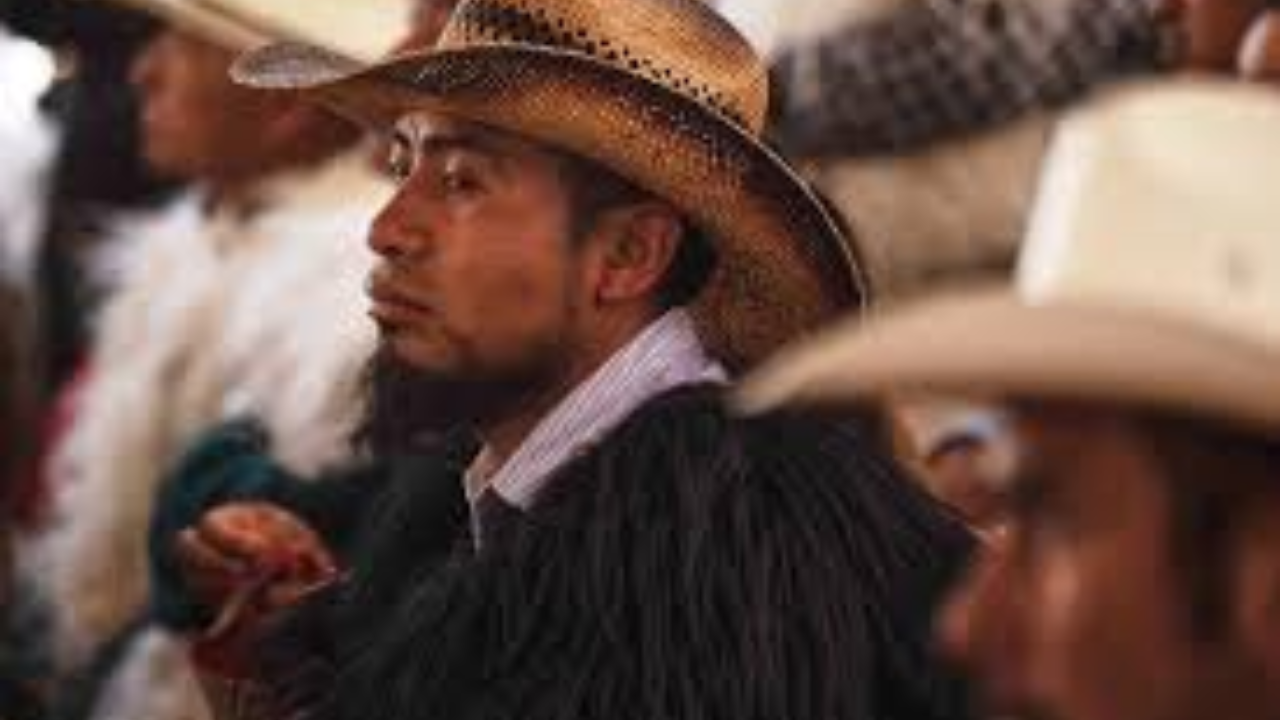
In a move that shattered decades of judicial tradition, Mexico’s Supreme Court (SCJN) held its first-ever session outside of Mexico City on February 26, 2026. Trading its gilded capital chambers for the highlands of Tenejapa, Chiapas, the Court signaled a radical shift toward “territorial justice.”
Thank you for reading this post, don't forget to subscribe!A Session for the People
- The Agenda: The justices focused on the right to self-determination, specifically hearing cases regarding Indigenous autonomy—a topic of vital importance to the surrounding Chiapaneco communities.
- The Leadership: This session was presided over by Chief Justice Hugo Aguilar. As the first Indigenous person to lead the Court following the 2024-2025 reforms, Aguilar’s presence in Tenejapa was as much a statement of identity as it was of law.
The “New Look” Judiciary
This historic trip is a direct result of the massive overhaul of the Mexican legal system. The transition from an appointed body to an elected one has changed more than just the names on the bench; it has changed where the bench sits.
| Shift | From Elite to Grassroots |
| Accessibility | Moving from the “Ivory Tower” in the capital to rural plazas. |
| Visibility | Public deliberations intended to demystify how laws are interpreted. |
| Representation | Prioritizing Indigenous rights and local self-rule on the national docket. |
The Bottom Line
While critics of the recent judicial reforms remain wary of politicization, the scene in Tenejapa was undeniably historic. For the first time, residents of one of Mexico’s most marginalized regions saw the country’s highest legal authority operating in their own backyard, rather than from a distant city 500 miles away.
“Justice must have a face, a voice, and a presence where the people live.” — Chief Justice Hugo Aguilar