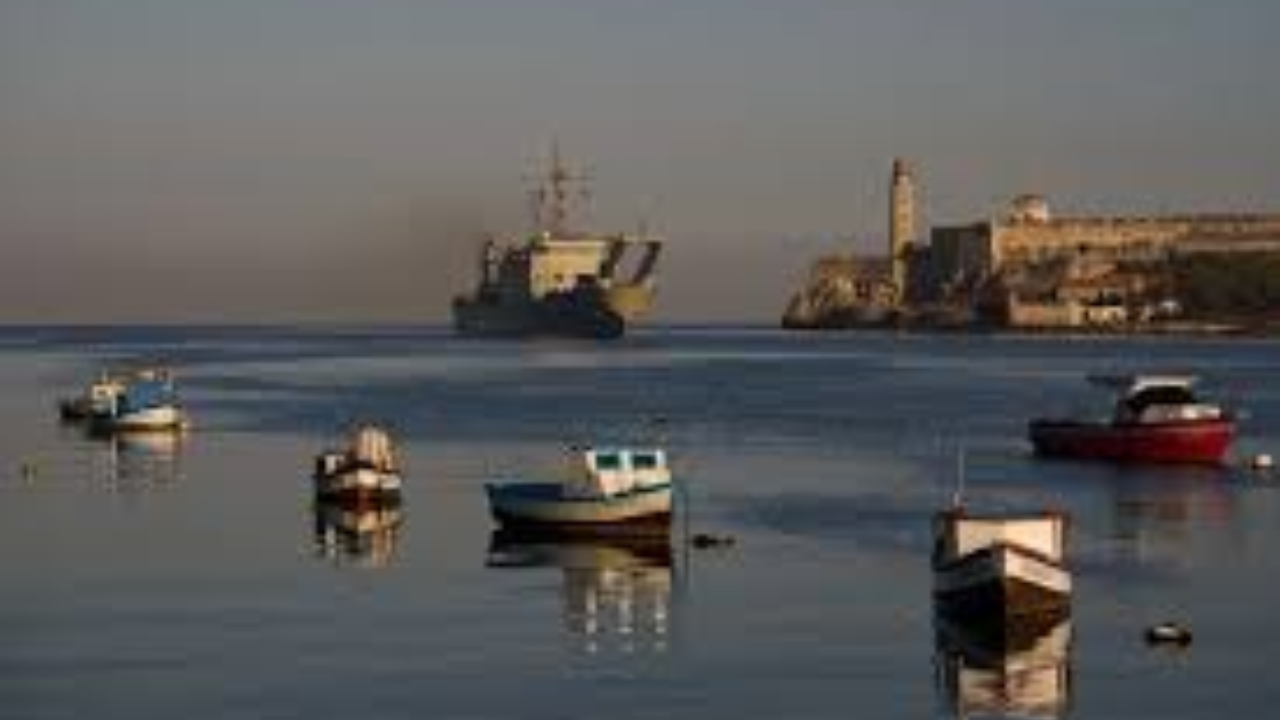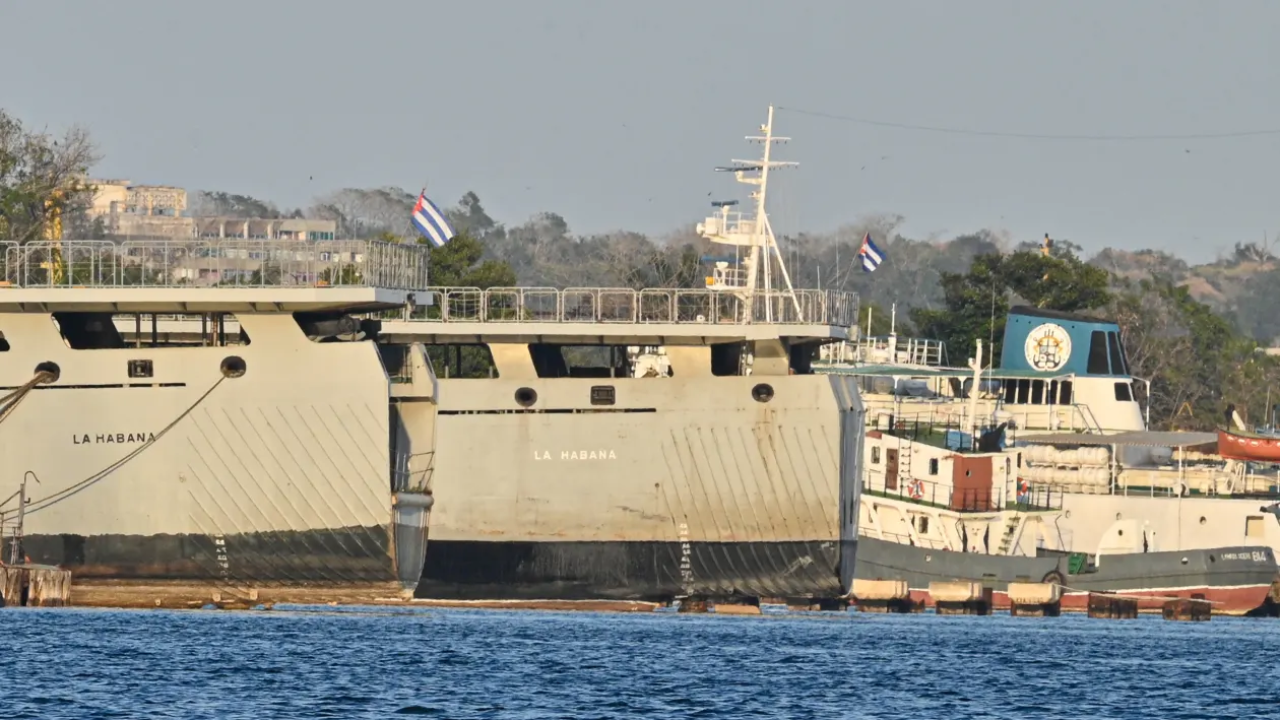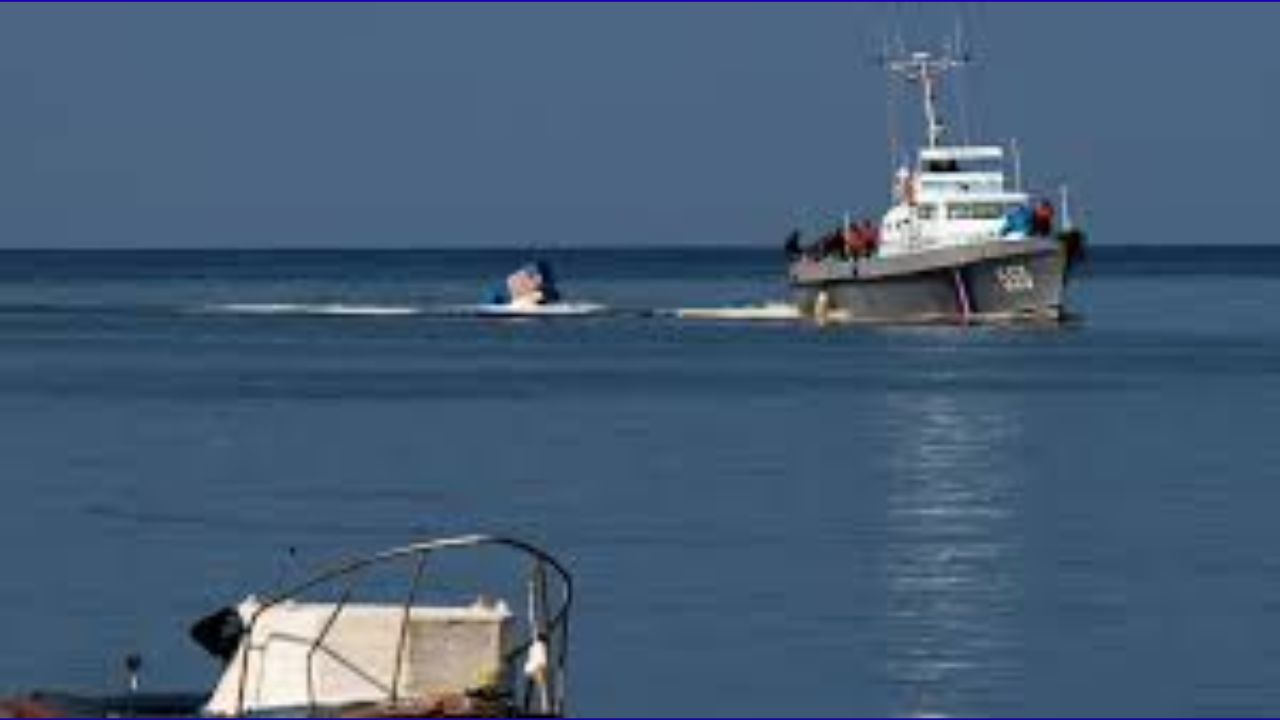
A violent maritime clash near Cayo Falcones has left four people dead and ignited a diplomatic firestorm between Washington and Havana. The incident, involving a Florida-based speedboat and the Cuban Border Guard, marks one of the deadliest direct confrontations in recent years.
Thank you for reading this post, don't forget to subscribe!The Conflict: Two Sides of the Story
The facts of the encounter are currently buried under two vastly different official narratives:
- Havana’s Narrative: The Cuban Ministry of the Interior claims the vessel was an “armed pirate ship” carrying 10 terrorists from the U.S. who intended to infiltrate the island. They allege the boat’s occupants fired first, prompting a lethal response.
- Washington’s Stance: U.S. officials, led by Secretary of State Marco Rubio, are treating the “terrorist” claims with extreme skepticism. While confirming this was not a government-sanctioned mission, the U.S. is investigating whether the incident was a targeted “massacre” of civilians or residents.
Current Investigation Status
Because the Cuban government’s reliability is a major point of contention, the U.S. has launched a multi-pronged inquiry:
| Agency | Primary Objective |
| State Department | Verifying the citizenship and identities of the 4 deceased and 6 detained. |
| U.S. Coast Guard | Analyzing GPS and maritime data to confirm if the shooting occurred in international waters. |
| Florida State Authorities | Attorney General James Uthmeier is pursuing potential state-level criminal charges for the deaths of Florida residents. |
Why This Matters Now
Key Takeaway: The central question remains—was this an armed infiltration as Havana claims, or a heavy-handed attack on a civilian vessel? Until the U.S. Embassy gains consular access to the survivors, the truth remains obscured by the “fog of war.”