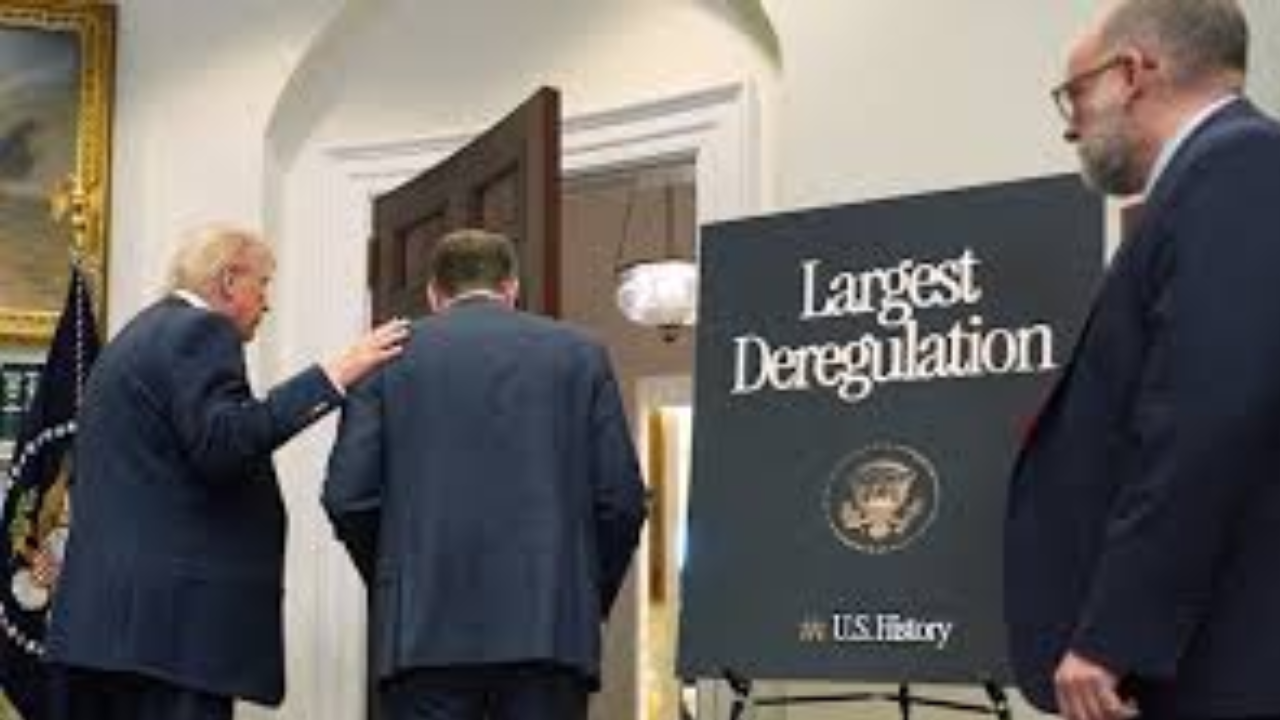
Recent shifts in federal climate policy have moved beyond abstract debates into a tangible public health crisis. By revoking the “Endangerment Finding”—the legal bedrock that identified greenhouse gases as a threat to human life—the administration has signaled a retreat from environmental oversight that experts say will fall heaviest on the most vulnerable.
Thank you for reading this post, don't forget to subscribe!The Geography of Risk
- Extreme Heat: Black Americans are currently 40% more likely to live in areas projected to see the highest spikes in heat-related deaths.
- Air Quality: Latino children face a 40% higher mortality rate from asthma than white children, driven by proximity to high-traffic corridors and industrial hubs.
- The “Zip Code” Factor: In many states, a person’s zip code is now a more accurate predictor of respiratory health than their genetic predispositions.
A Regulatory Retreat
The administration has moved to dismantle or weaken over 30 key climate and pollution regulations. This shift is defined by three primary trends:
- Exemptions for Industry: Coal plants, particularly in states like Texas, have received multi-year reprieves from mercury and air toxic standards (MATS), leading to massive projected increases in local heavy-metal emissions.
- Stalled Enforcement: Clean Air Act litigation has plummeted. In the first year of this term, enforcement actions dropped significantly compared to the previous four years, suggesting a “hands-off” approach to corporate compliance.
- Defunding Equity: Over $148 million in grants specifically earmarked for environmental justice and supporting disadvantaged farmers has been rescinded, removing the financial safety net for communities trying to mitigate local pollution.
The Long-Term Economic Toll
While these rollbacks are often framed as “pro-growth” or “deregulatory wins,” economists warn of a hidden bill. By ignoring the social cost of carbon—the dollar value of the harm caused by each ton of CO2—the government ignores the roughly $800 billion air pollution costs the U.S. economy every year in healthcare and lost productivity.
Key Disparities at a Glance
| Vulnerability | Affected Group | Impact Level |
| Heat Sensitivity | Black Communities | 40% higher risk of mortality |
| Respiratory Health | Latino Children | 40% higher asthma death rate |
| Toxic Exposure | Low-income Neighborhoods | Significantly higher proximity to superfund sites |