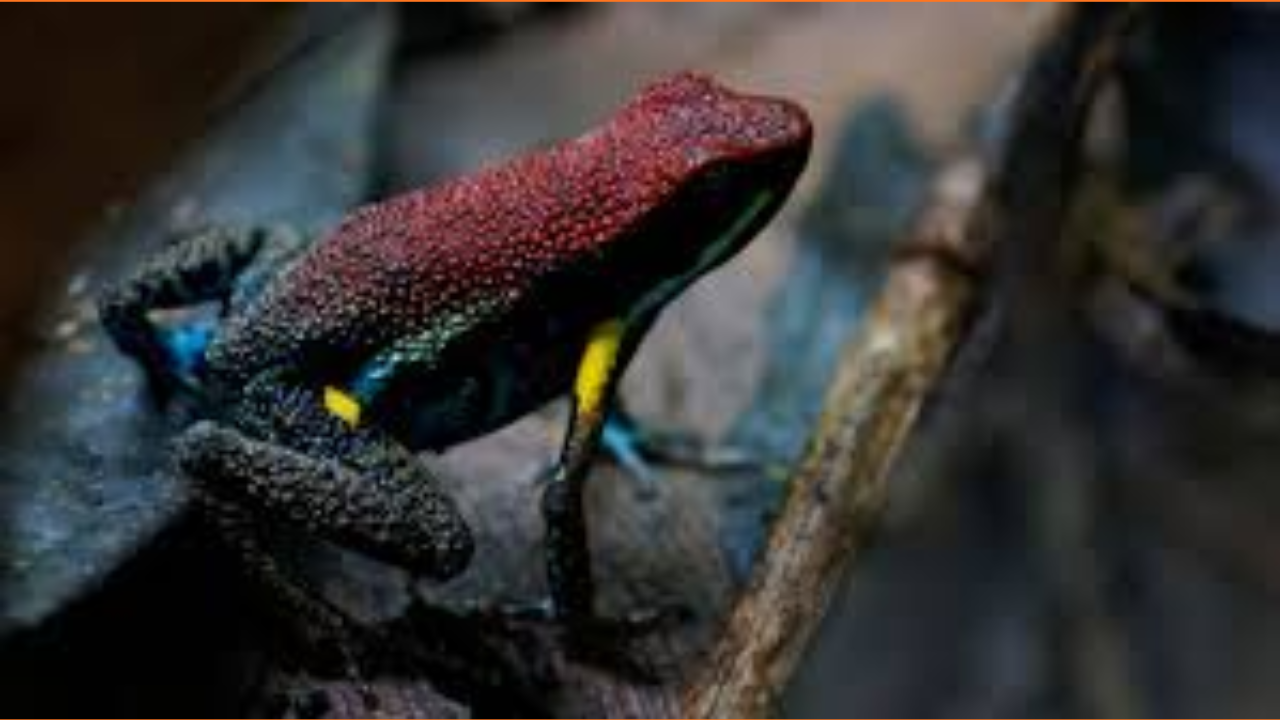
While Alexei Navalny’s 2020 poisoning involved the synthetic nerve agent Novichok, investigations into his 2024 death point toward a biological weapon: Epibatidine. This substance is a powerful alkaloid naturally secreted by the Epipedobates anthonyi (a species of South American poison dart frog).
Thank you for reading this post, don't forget to subscribe!How the Toxin Works
- The Mimicry: The toxin “masquerades” as acetylcholine, the chemical your brain uses to tell muscles to move.
- The Overload: Unlike your body’s natural chemicals, epibatidine binds to these receptors with extreme intensity and refuses to let go. This causes the “switches” to be permanently stuck in the “ON” position.
- The Result: This leads to a total system overload. Initial numbness and hypertension quickly escalate to muscle tremors and, eventually, flaccid paralysis.
Why It Is Fatal
The primary cause of death from epibatidine is asphyxiation. Because the toxin paralyzes the diaphragm and intercostal muscles, the victim becomes physically unable to draw breath. Its potency is staggering—it is roughly 200 times more effective at blocking pain signals than morphine, but the line between a “numbing dose” and a “lethal dose” is incredibly thin.
Epibatidine vs. Novichok: A Tactical Shift
The use of a frog-derived toxin over a synthetic nerve agent suggests a shift in methodology:
| Feature | Novichok (2020) | Epibatidine (2024) |
| Origin | Man-made (Russian Labs) | Biological (Natural Alkaloid) |
| Detection | Leaves a “signature” of state involvement. | Harder to trace to a specific government. |
| Antidote | Can be treated with Atropine. | No known clinical antidote. |
| Effect | Fluid buildup and convulsions. | Clean paralysis and respiratory failure. |
The “Natural” Smoking Gun
The choice of epibatidine is strategically significant. Because it is found in nature, its presence can be used to provide a degree of plausible deniability. However, since the Epipedobates frog is native only to the highlands of Ecuador and Peru, the extraction and purification of the toxin require high-level laboratory access—resources generally unavailable to anyone outside of state-sponsored programs.