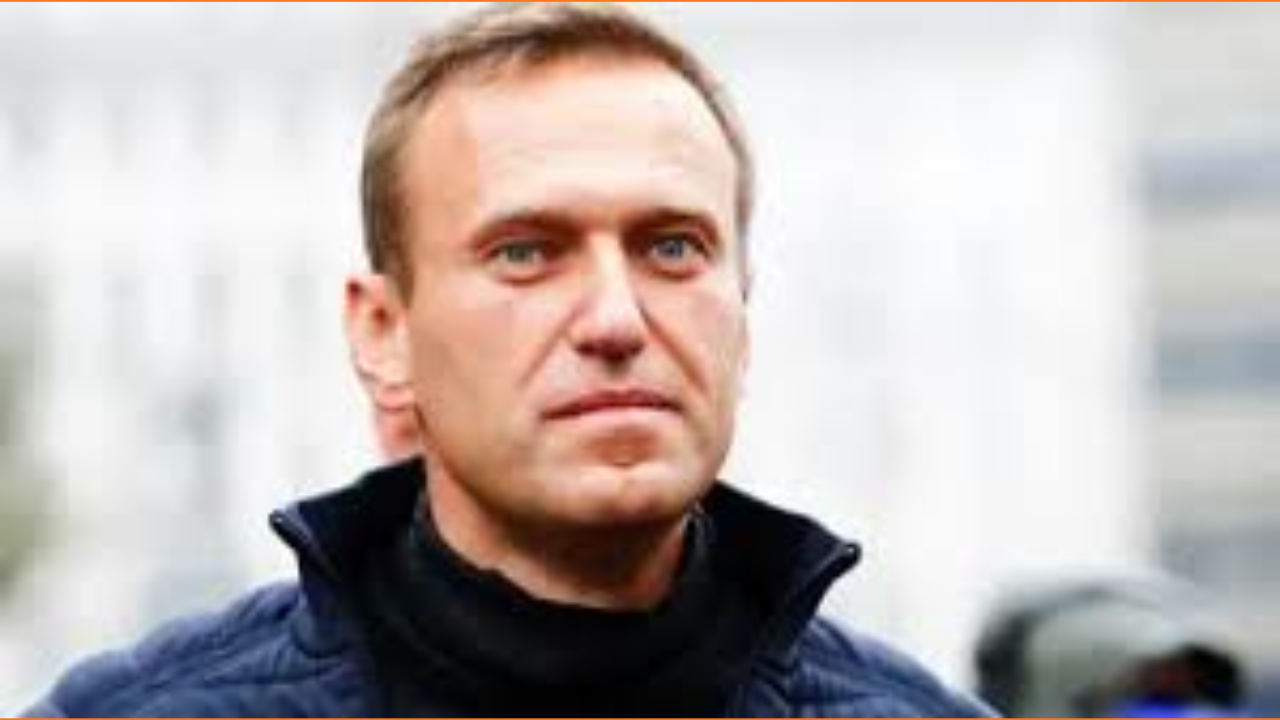
In a landmark joint declaration issued on February 14, 2026, a coalition of five European nations—Germany, France, the UK, Sweden, and the Netherlands—formally accused the Russian government of assassinating opposition leader Alexei Navalny. The report marks a shift from suspicion to a formal diplomatic accusation based on new forensic evidence.
Thank you for reading this post, don't forget to subscribe!The Forensic Evidence: Epibatidine
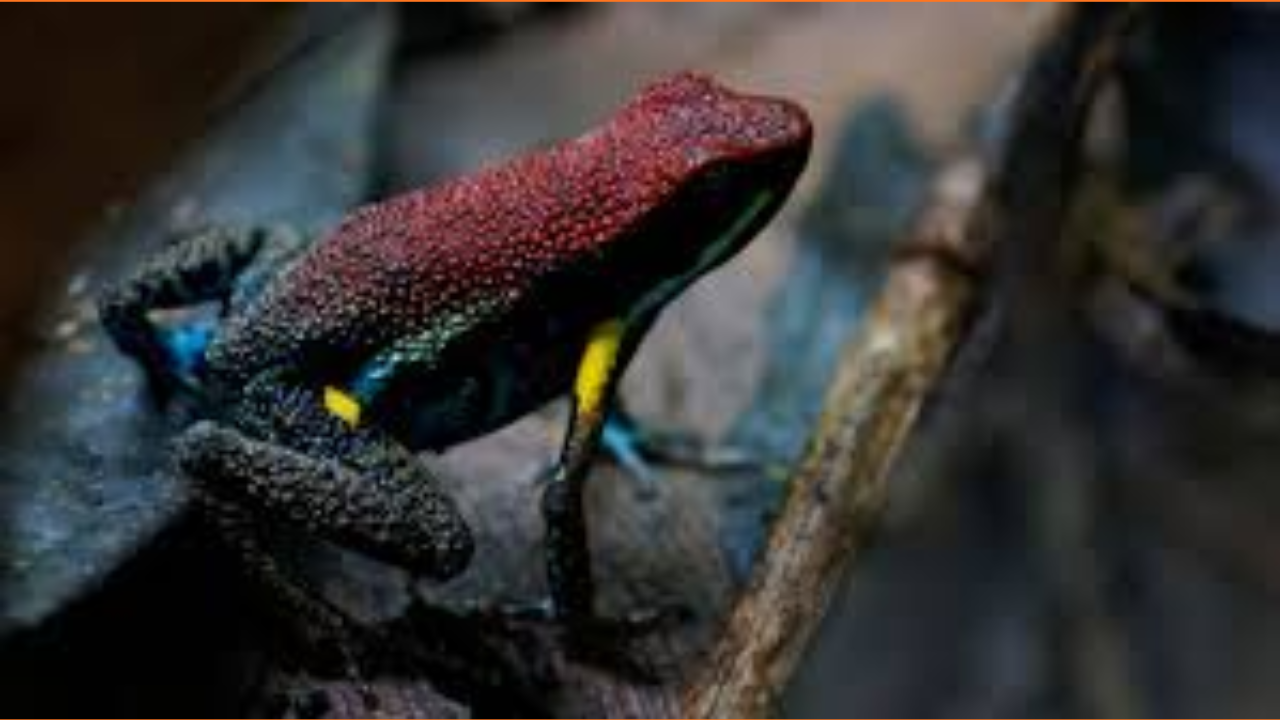
- Origin: Naturally occurring in the skin of the Epipedobates tricolor (Phantasmal poison frog) found in South America.
- Mechanism: It acts as a potent nicotinic acetylcholine receptor agonist. While it has analgesic properties, at toxic levels it causes:
- Severe muscular convulsions.
- Respiratory paralysis.
- Eventual cardiac arrest.
- Potency: It is significantly more lethal than most traditional nerve agents when administered in precise, concentrated doses.
The Case Against the State
The European coalition argues that the use of epibatidine is a “signature of state involvement.” Their argument rests on three pillars:
- Sourcing: The toxin is not native to the region and requires specialized pharmaceutical expertise to synthesize or extract.
- Access: Navalny was held in the high-security “Polar Wolf” penal colony, an environment where only state actors had access to his food, water, or medical supplies.
- The Pattern: The report draws direct parallels to the 2020 poisoning of Navalny with Novichok, suggesting a continued reliance on exotic chemical weapons to eliminate political rivals.
International Repercussions
The five nations have officially petitioned the Organization for the Prohibition of Chemical Weapons (OPCW) to launch a formal investigation. While the Kremlin continues to maintain that Navalny died of “natural causes,” this report has already triggered a new wave of proposed sanctions targeting the Russian chemical and biological research sectors.