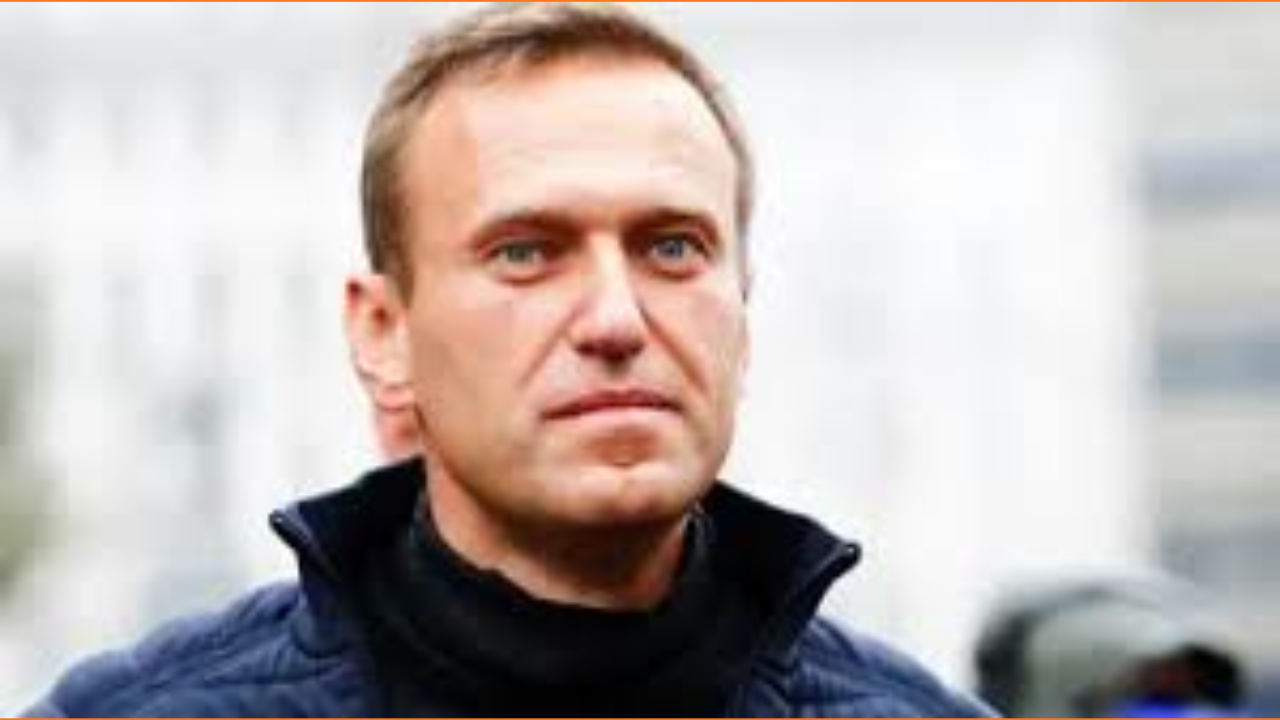
On the second anniversary of his death (February 14, 2026), a coalition of five nations—the UK, France, Germany, Sweden, and the Netherlands—released a joint statement officially accusing the Russian state of murdering opposition leader Alexei Navalny.
Thank you for reading this post, don't forget to subscribe!The Scientific Evidence
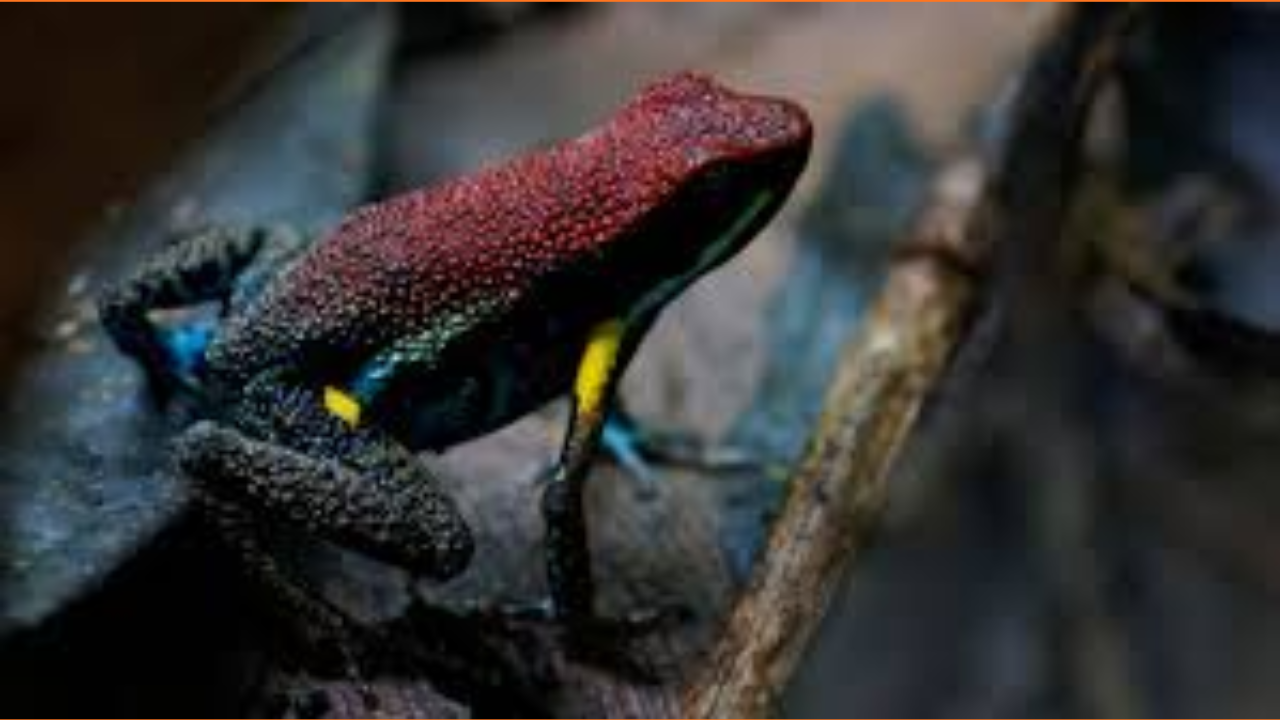
- The Substance: Investigators identified Epibatidine, a potent neurotoxin naturally found in South American poison dart frogs.
- The Delivery: Experts believe a synthetic version of the toxin was manufactured in a state lab.
- The Impact: Epibatidine triggers rapid respiratory failure, seizures, and paralysis.
- The Logic: Western officials argue that the logistics of getting such a rare, non-native substance into a maximum-security Arctic prison point directly to state involvement.
International Consequences
This isn’t just a statement; it’s a legal and diplomatic move. The coalition has initiated several high-level responses:
- Chemical Weapons Violations: Russia has been reported to the OPCW (Organisation for the Prohibition of Chemical Weapons) for breaching international conventions.
- Global Sanctions: The UK and its allies are currently reviewing further sanctions against individuals within the Russian prison and security systems.
- Human Rights Response: Yulia Navalnaya, Alexei’s widow, has cited these findings as definitive proof of a state-ordered assassination.
The Kremlin’s Stance
As expected, Russia continues to deny the claims. Officials in Moscow have dismissed the findings as “unsubstantiated” and “Western propaganda,” maintaining their original stance that Navalny died of natural causes while in custody.