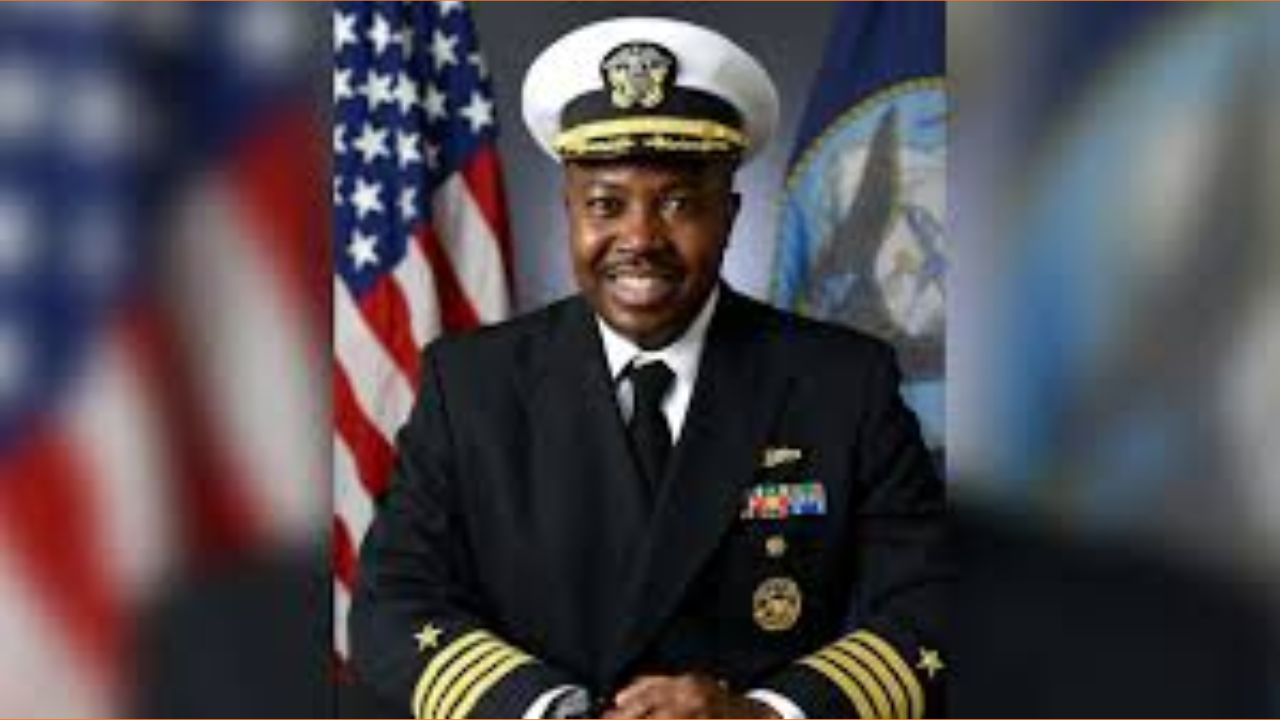
In the high-stakes world of naval operations, few phrases are as final—or as frustratingly vague—as “loss of confidence.” The recent relief of the USS Mason’s commanding officer is the latest entry in a growing ledger of quiet dismissals. While the Navy uses this terminology to maintain a standard of absolute accountability, the ripple effects go far beyond a simple change in the organizational chart.
Thank you for reading this post, don't forget to subscribe!1. The Weaponization of Ambiguity
The term “loss of confidence” serves as a legal Swiss Army knife for the Pentagon. It allows the Navy to remove a leader without the messy public disclosure of specific failures. Whether the issue was a toxic command climate, a lapse in tactical judgment, or a personal indiscretion, the blanket statement protects the institution—but it leaves the crew and the public in the dark.
2. The Morale Tax
When a “Skipper” is removed, the ship doesn’t just get a new boss; it inherits a crisis of identity.
- The Trust Gap: Sailors are trained to follow their commander into combat. A sudden removal shatters that bond and replaces it with a culture of looking over one’s shoulder.
- Guilt by Association: Even if the crew did nothing wrong, the “stigma of the relief” can hang over a ship, affecting everything from performance reviews to future assignments.
3. The “One-Mistake” Culture
There is a growing concern that the threshold for “loss of confidence” has become a zero-tolerance policy that stifles bold leadership.
- Risk Aversion: If any friction results in a career-ending relief, future commanders may prioritize “checking boxes” over the creative, decisive action needed in modern maritime warfare.
- The Brain Drain: High-performing officers watching these removals may see a career path where the reward for 20 years of service can be erased in 24 hours without a public trial.
4. Financial and Strategic Waste
Every Commander (O-5) represents a multi-million dollar investment in training, education, and flight or sea hours. When a commander is relieved and relegated to a “shore side” administrative role, that expertise is effectively mothballed. The Navy doesn’t just lose a leader; it loses a massive return on taxpayer investment.