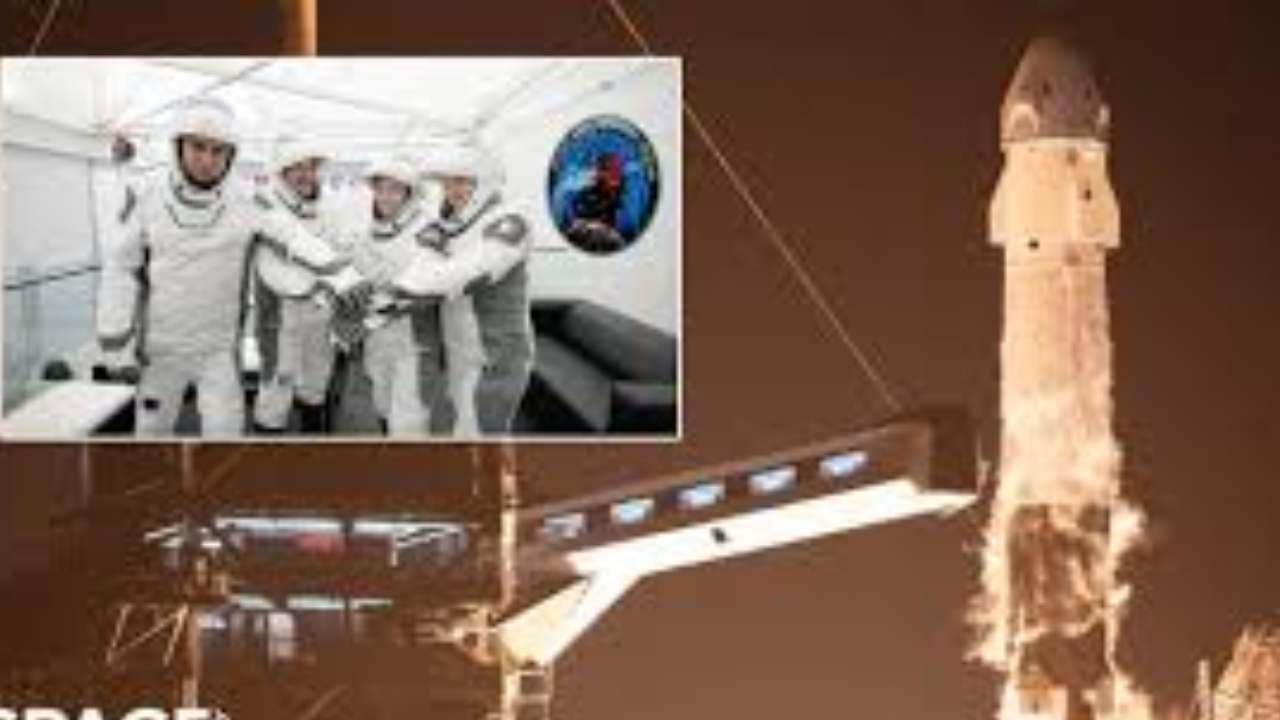
After navigating a series of weather delays, NASA and SpaceX have officially confirmed a “Go” for the Crew-12 mission. The four-person team is set to depart for the International Space Station (ISS) in a pre-dawn launch that marks a return to full staffing for the orbiting laboratory.
Thank you for reading this post, don't forget to subscribe!Mission Briefing
- Launch Window: Friday, Feb. 13, 2026 | 5:15 a.m. EST
- Launch Pad: SLC-40, Cape Canaveral Space Force Station
- Vehicle: SpaceX Falcon 9 and Crew Dragon Freedom
- Arrival: Scheduled for Valentine’s Day (Feb. 14) at ~3:15 p.m. EST
Meet the Crew
This international cohort brings a blend of veteran leadership and fresh perspectives:
- Jessica Meir (NASA): Serving as Commander, this is Meir’s second trip to the ISS. She previously made history for her participation in the first all-woman spacewalks.
- Jack Hathaway (NASA): A U.S. Navy Commander and rookie astronaut stepping into the Pilot seat for his inaugural spaceflight.
- Sophie Adenot (ESA): Representing France, Adenot is the first from the European Space Agency’s 2022 class to reach orbit.
- Andrey Fedyaev (Roscosmos): The Russian veteran returns for his second long-duration mission as a Mission Specialist.
Why This Mission Matters
The Mission Agenda Includes:
- Full Staffing: Restoring the station to a seven-person capacity.
- Scientific Research: Conducting over 200 experiments in microgravity.
- Lunar Prep: Testing life-support technologies critical for the upcoming Artemis moon missions.
Pro-Tip for Viewers: Live coverage is currently streaming on NASA+ and the NASA YouTube channel. The “crew ingress” (when they board the capsule) is often the most tense and fascinating part of the broadcast.