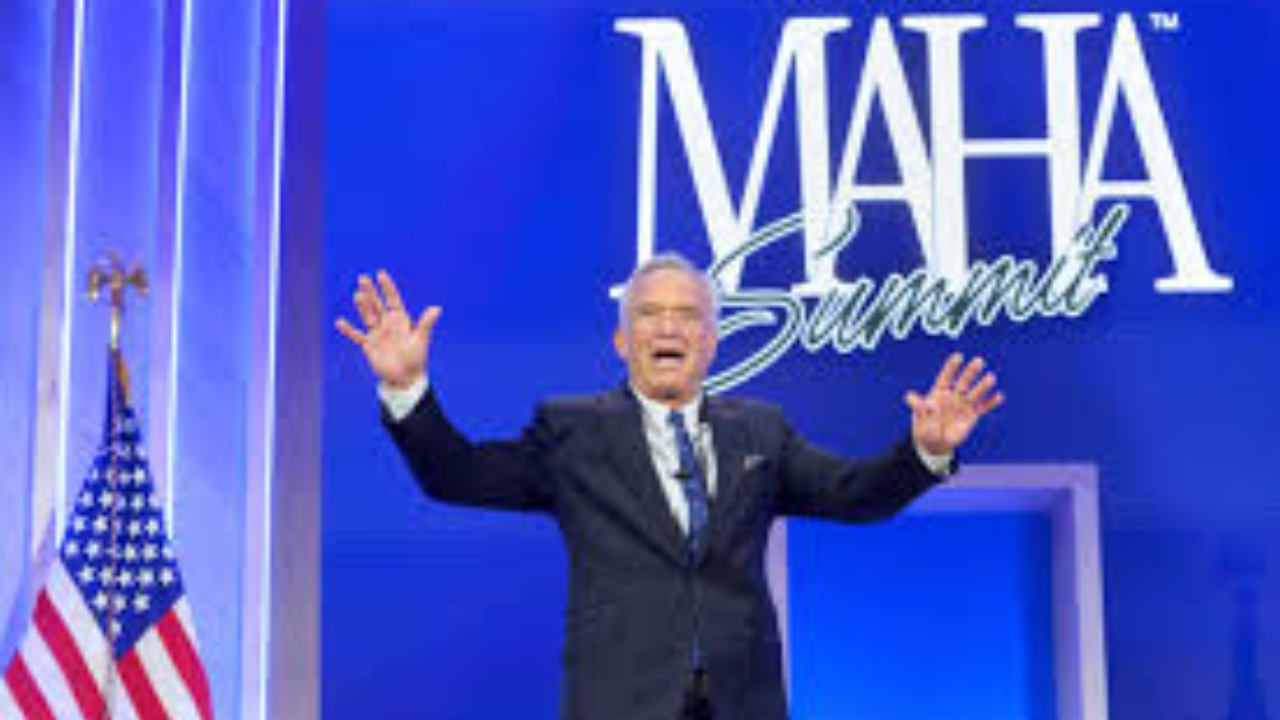
When Robert F. Kennedy Jr. took the helm of the Department of Health and Human Services (HHS) in early 2025, his stated mission was to “Make America Healthy Again” by dismantling the “corrupt” ties between industry and regulators. One year later, the agency is unrecognizable, but the “trust” he promised to restore remains elusive for a large segment of the population.
Thank you for reading this post, don't forget to subscribe!Key Shifts in Agency Operations
The hallmark of Kennedy’s first year has been a massive structural overhaul. By consolidating 28 federal divisions into 15, he aimed to streamline bureaucracy. However, the human cost has been significant:
- The “Expertise Gap”: A 25% reduction in the HHS workforce—driven by both budget cuts and the voluntary resignation of career scientists—has slowed the pace of drug approvals and public health reporting.
- Focus on Chronic Disease: The newly formed Administration for a Healthy America (AHA) has successfully shifted the national conversation toward “ultra-processed foods,” seed oils, and environmental toxins, garnering unexpected support from some health advocates.
The Trust Paradox
| Metric | Status (Feb 2026) | Trend |
| Overall Agency Trust | 42% | Declining |
| Partisan Trust (GOP) | 68% | Increasing |
| Partisan Trust (DEM) | 21% | Sharply Decreasing |
The decline is largely attributed to the administration’s pivot away from traditional pediatric standards. By removing COVID-19 and several other vaccinations from the federal childhood schedule, the HHS has entered a state of open warfare with the American Academy of Pediatrics (AAP) and the American Medical Association (AMA).
Transparency or Information Void?
Critics argue that “transparency” has become a euphemism for “disinformation.” While the HHS now publishes extensive data on water fluoride levels and soil contaminants, it has simultaneously:
- Halted the Drug Abuse Warning Network (DAWN), limiting real-time data on the opioid crisis.
- Delayed critical reports on reproductive health and respiratory virus trends.
- Renegotiated the GRAS (Generally Recognized as Safe) list, causing temporary supply chain volatility in the food industry.
Bottom Line: RFK Jr. has succeeded in disrupting the status quo, but his “restoration of trust” appears to be more of a “realignment.” He has traded the confidence of the scientific and medical establishment for the loyalty of a populist base concerned with food purity and corporate overreach.