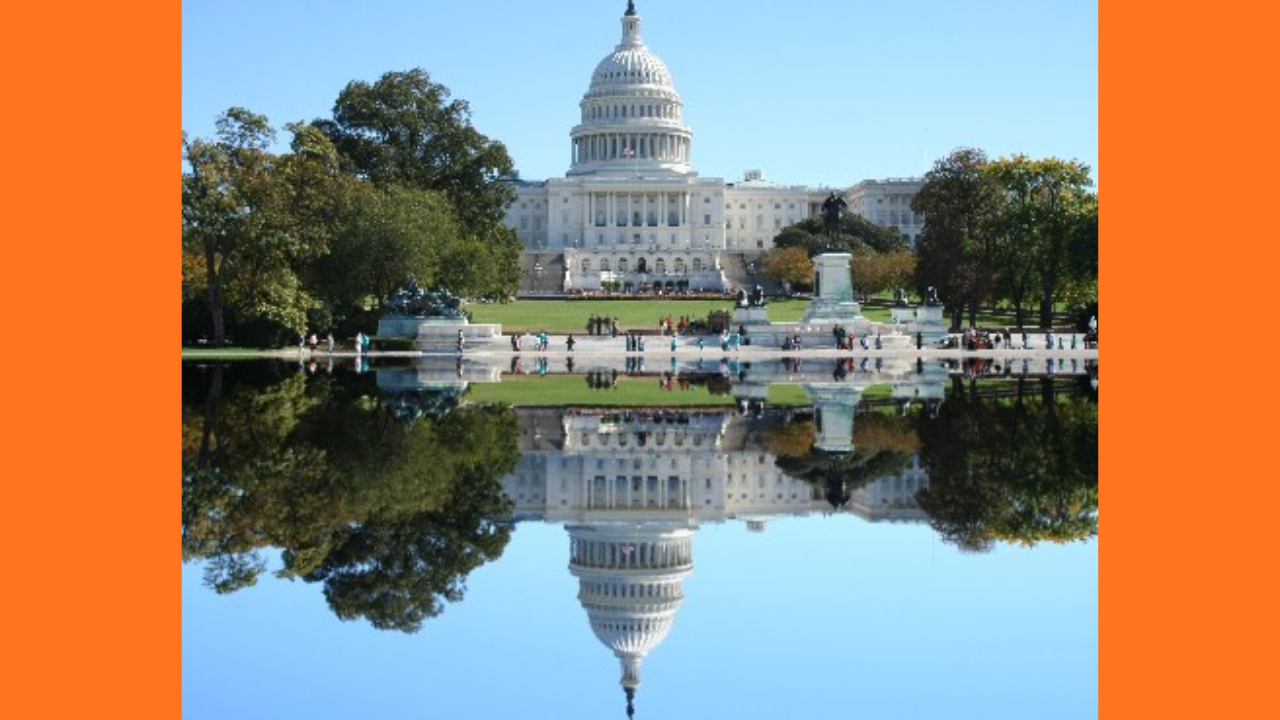
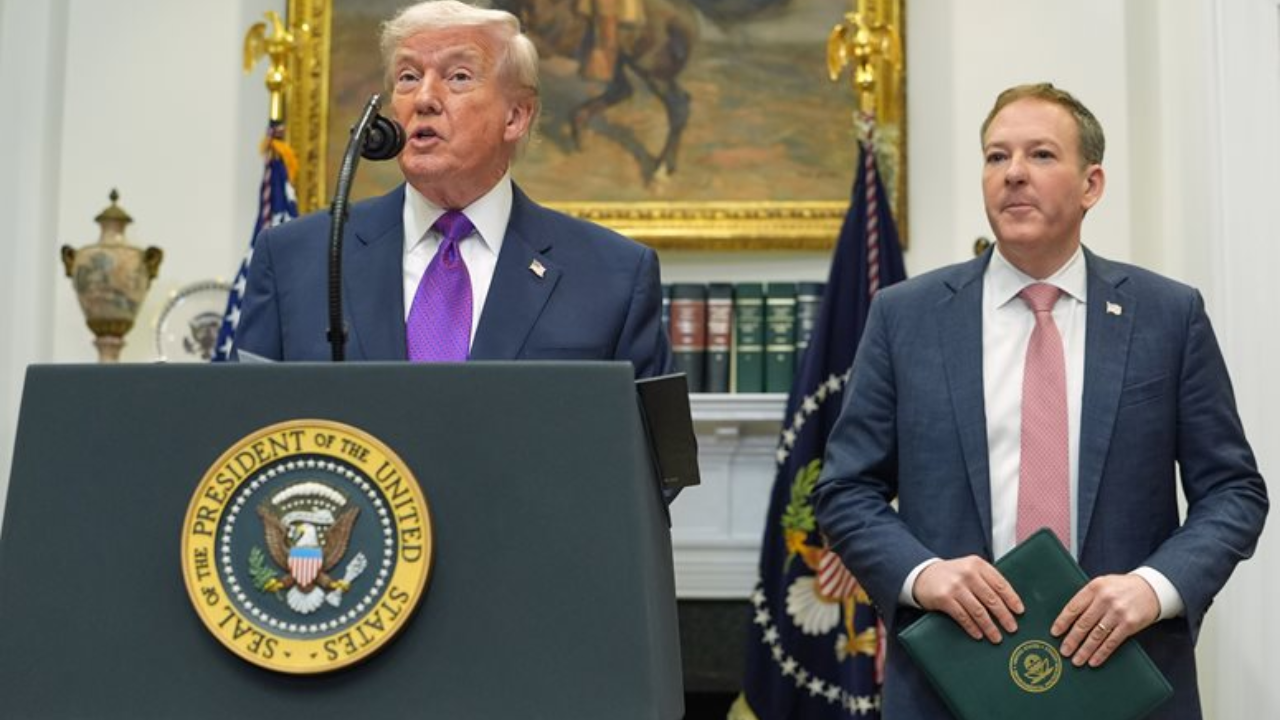
Washington, D.C. — the U.S. House of Representatives passed the SAVE America Act (H.R. 7296), a significant and controversial election overhaul backed by President Donald Trump. The bill passed with a slim 218–213 margin, reflecting a deep partisan divide over federal voting standards.
Thank you for reading this post, don't forget to subscribe!The “Lone Democrat”: Henry Cuellar
Cuellar, a long-standing moderate from a border district, has frequently broken with his party on matters of border security and law enforcement. His support for the act highlights a rare instance of bipartisan cooperation on a bill that most Democrats have labeled as “voter suppression.”
Why Other Moderates Flipped to “No”
In previous sessions (such as April 2025), several other moderate Democrats—including Rep. Marie Gluesenkamp Perez (D-WA), Rep. Jared Golden (D-ME), and Rep. Ed Case (D-HI)—had supported earlier, narrower versions of the SAVE Act. However, they joined the rest of their caucus in opposing this 2026 iteration.
Key reasons for their shift include:
- Aggressive New Mandates: The “SAVE America” version added strict requirements for in-person citizenship verification, which critics argue would effectively end online and mail-in registration.
- Photo ID for Mail-In Ballots: The updated bill requires voters to include physical copies of their photo ID when both requesting and submitting mail-in ballots.
- Disenfranchisement Concerns: Lawmakers like Gluesenkamp Perez expressed concern that the new version was “overly aggressive,” potentially barring millions of eligible citizens—particularly rural voters, the elderly, and women with name changes—who may not have immediate access to a birth certificate or passport.
What’s Next?
The bill now moves to the Senate, where its path is significantly more difficult:
- The 60-Vote Hurdle: Republicans currently hold 53 seats and would need at least 7 Democratic defections to overcome a filibuster.
- GOP Skepticism: Some Senate Republicans, including Sen. Lisa Murkowski (R-AK), have already expressed reservations about imposing new federal mandates so close to the 2026 midterm elections.
- The “Talking Filibuster”: Hardline House Republicans are pressuring Senate Leader John Thune to use a “talking filibuster” to force a prolonged debate, hoping to pressure moderate Democrats in swing states to support the bill.