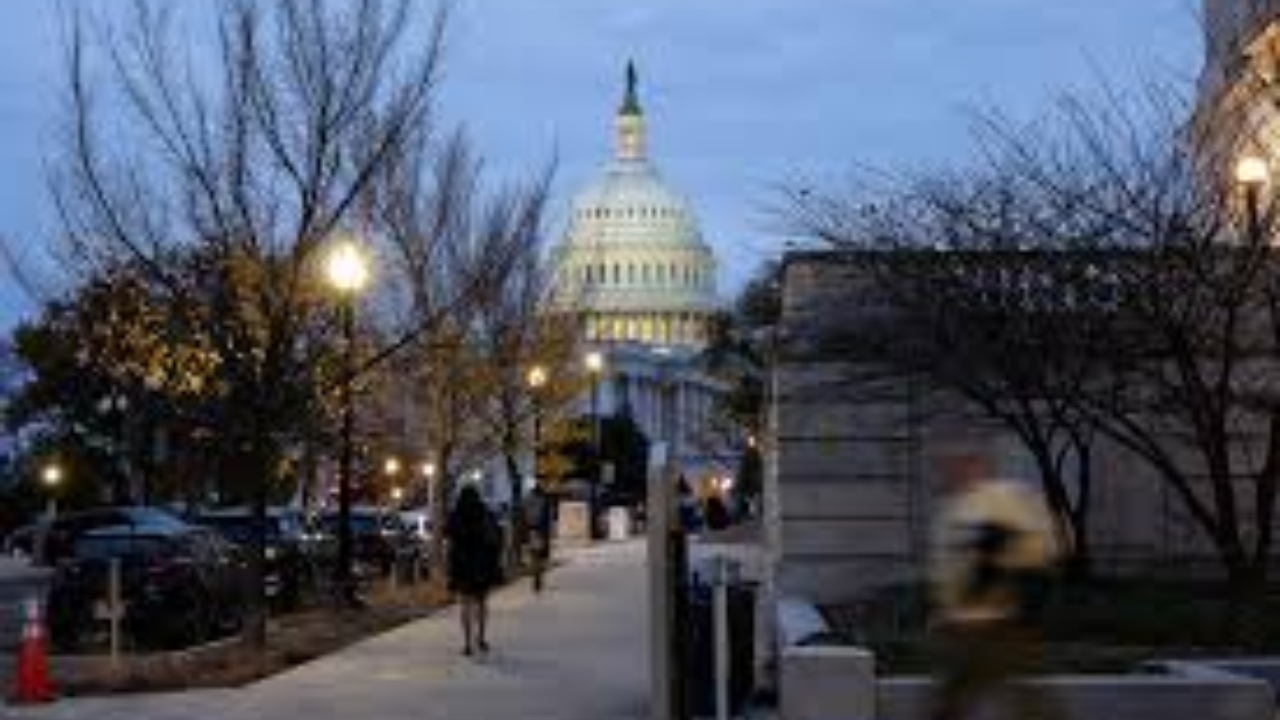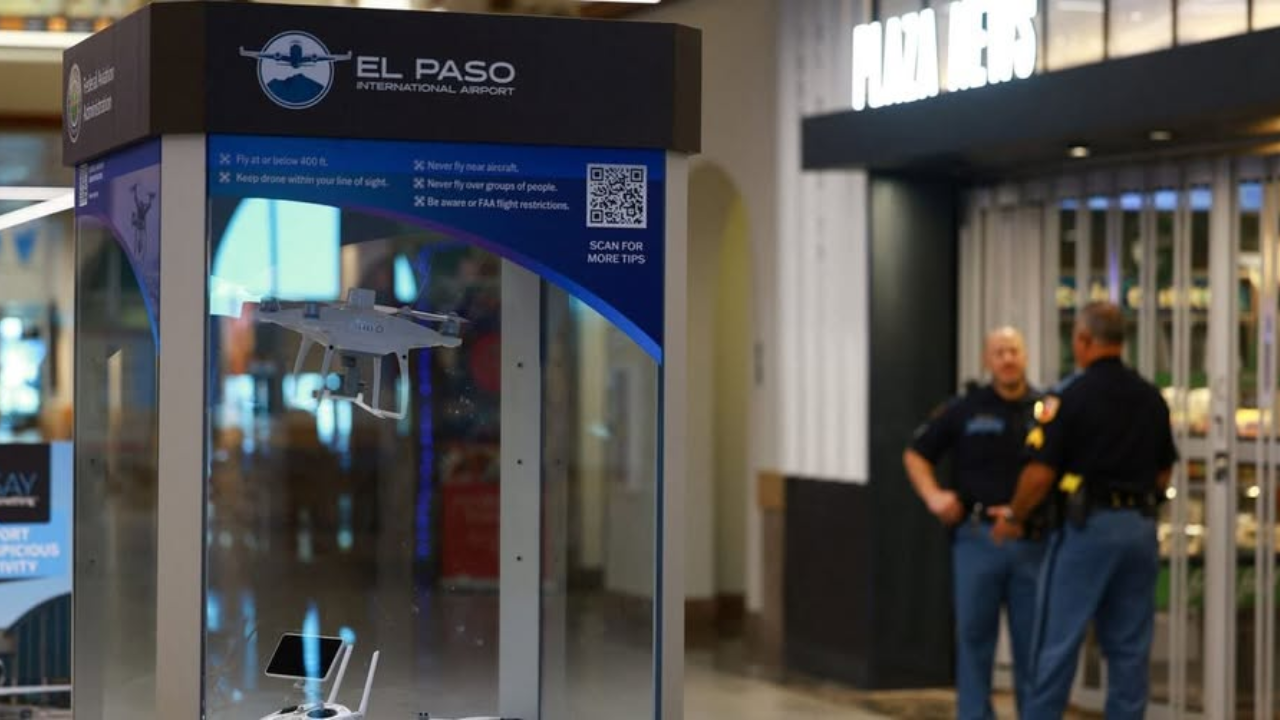
By early 2025, the U.S. government found itself in a “damned if you do, damned if you don’t” scenario. While agencies like the DHS and DOJ were busy testing tech to swat “rogue” drones out of the sky, the testing itself started throwing a wrench into the gears of commercial aviation—specifically around the high-stakes corridors of Washington, D.C.
Thank you for reading this post, don't forget to subscribe!The Friction Points
- Electronic “Friendly Fire”: Testing electronic warfare (EW) tools like jammers often backfires. These signals don’t always stay in their lane, occasionally bleeding into the frequencies used by commercial pilots for navigation and talking to the tower.
- The “Bird or Bot” Problem: Modern radar is still surprisingly bad at telling a pigeon from a Predator drone. During 2025 tests, systems flagged “false targets” over 50% of the time, creating a “ghost fleet” on screens that forced air traffic controllers to pause flights out of pure caution.
- A Massive Protection Gap: Despite the disruption caused by testing, the FBI admitted they are spread thin. In 2025, they could only provide counter-drone coverage for about 0.05% of the 240,000 major events that technically qualified for it.
The Price of Progress
The FAA isn’t just sitting on its hands; it requested a staggering $26.8 billion for 2025. A big chunk of that is earmarked for “Radar Modernization.” The goal is to replace 60-year-old tech that’s prone to crashing and help it play nice with new counter-drone systems without grounded half the East Coast.
Bottom Line: The government is racing to secure the skies from drones, but the “shield” they’re building is currently creating almost as many headaches for travelers as the “swords” they’re trying to stop.