the Senate Commerce Committee became a battlefield over a decades-old rule: the 39% national audience reach cap. This rule prevents any single company from owning local TV stations that reach more than 39% of U.S. households.
Thank you for reading this post, don't forget to subscribe!The heat is on because Nexstar Media Group wants to buy Tegna for $6.2 billion. If allowed, they would reach a staggering 80% of the country, effectively shattering the current limit.
The Great Debate: Scale vs. Localism
The hearing revealed a massive rift between traditional broadcasting rules and the reality of the 2026 digital landscape.
| The “Free the Airwaves” Side | The “Keep the Guardrails” Side |
| Who: NAB, Sen. Ted Cruz, Nexstar. | Who: Newsmax, Sen. Maria Cantwell, local advocates. |
| Argument: Local TV is dying because it can’t compete with “Big Tech” (Netflix/TikTok) which has zero ownership limits. | Argument: If one or two companies own every local station, independent voices are silenced and local news loses its “hometown” feel. |
| The Goal: Consolidate to survive and gain “scale.” | The Goal: Prevent a media monopoly and protect “viewpoint diversity.” |
3 Key Flashpoints from the Hearing
- Who has the Power? Many Senators argued that the FCC doesn’t even have the legal right to change this rule. Since Congress set the 39% cap in 2004, only a new law from Congress—not an FCC vote—can officially move the needle.
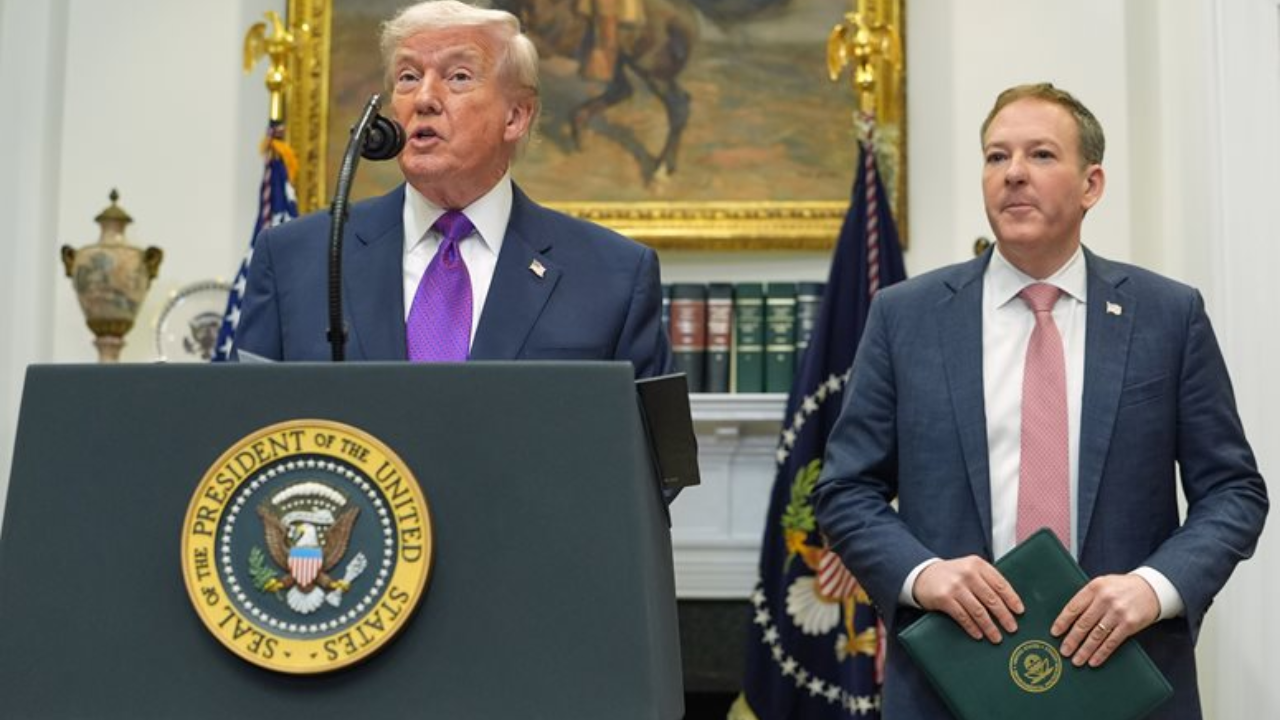
- The “Trump Factor”: President Trump has signaled support for the Nexstar-Tegna deal, framing it as a way to create a powerhouse that can challenge “mainstream legacy media.”
- The Survival Instinct: Broadcasters warned that without the ability to grow, they won’t have the advertising dollars to keep local newsrooms open against the onslaught of digital streaming.
The Bottom Line
The FCC (led by Brendan Carr) is now in a tight spot. They have to decide if they will grant a “waiver” for this specific merger or risk a massive legal battle by trying to rewrite the rules for everyone.