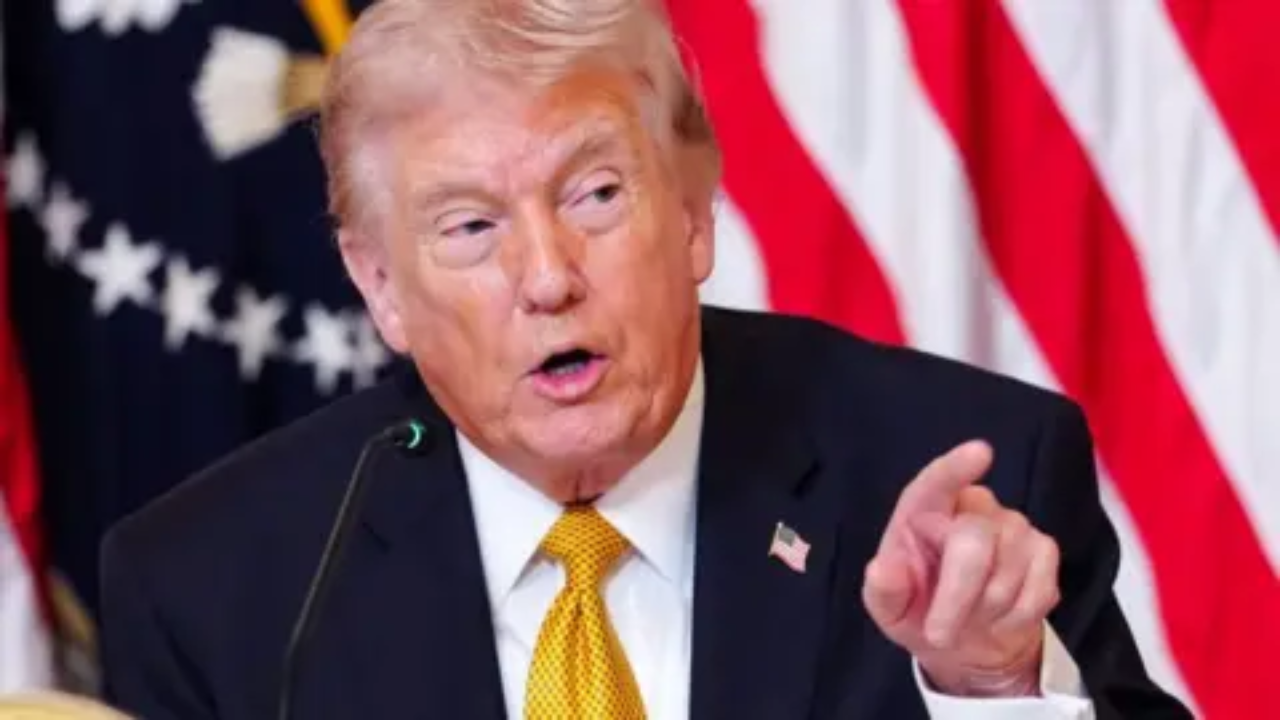
In a high-stakes move during his Washington visit, Prime Minister Benjamin Netanyahu has officially signed Israel onto President Donald Trump’s Board of Peace (BoP). The signing occurred on February 11, 2026, marking a significant shift in regional diplomacy and Israel’s post-war strategy.
Thank you for reading this post, don't forget to subscribe!At a Glance: The Board of Peace
- Executive Control: Donald Trump serves as Chairman for Life, holding absolute veto power over membership.
- The “Pay-in” Model: The Board operates on a unique financial structure where permanent member nations contribute $1 billion to a centralized fund.
- A “New UN”? Critics argue the Board is designed to bypass the United Nations, while supporters claim it offers a more “transactional and efficient” approach to global security.
Why Netanyahu Signed Now
Despite initial friction regarding the inclusion of regional adversaries, Netanyahu’s accession signals a “double-down” on the U.S.-Israel alliance. Key drivers include:
- Gaza Reconstruction: Direct influence over the International Stabilization Force and the multi-billion dollar reconstruction contracts managed by the Board.
- The Iran Dilemma: Securing a seat at the table to lobby against U.S.-Iran “Deal” negotiations.
- Legal Buffering: Leveraging the Board’s collective political weight against ongoing ICC legal challenges.
The Road Ahead
The Board of Peace is set for its inaugural summit on February 19, 2026. While Israel, Turkey, and several Gulf states are confirmed, several European powers remain on the sidelines, wary of the Board’s “invitation-only” power structure.
The Big Question: Can a “Chairman for Life” model maintain long-term stability in the Middle East, or is this a temporary alignment based on personal chemistry between leaders?