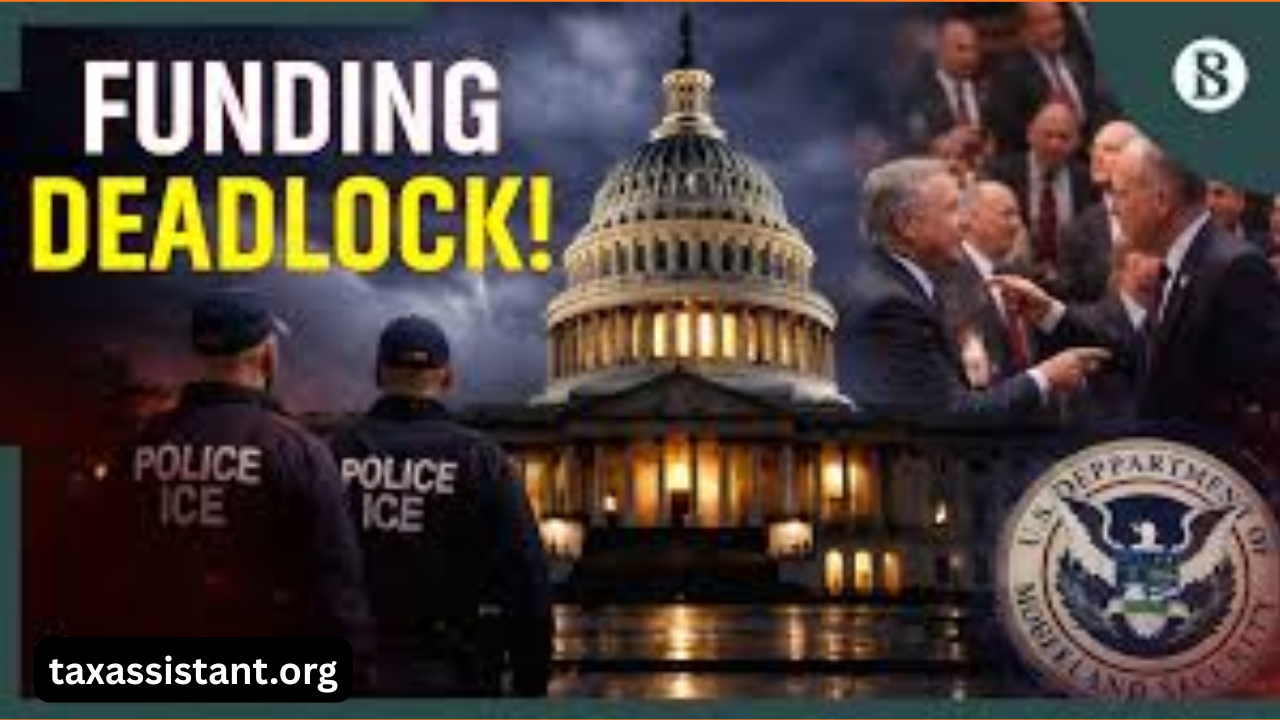
The Department of Homeland Security is currently the only federal agency staring down a shutdown. While the rest of the government is funded, DHS is operating on a temporary two-week extension that expires this Friday, February 13, 2026.
Thank you for reading this post, don't forget to subscribe!The Core Conflict: Oversight vs. Enforcement
The impasse isn’t just about money; it’s about a fundamental shift in how federal agents operate.
- The Catalyst: Tensions remain high following the fatal shootings of Alex Pretti and Renee Good in Minneapolis.
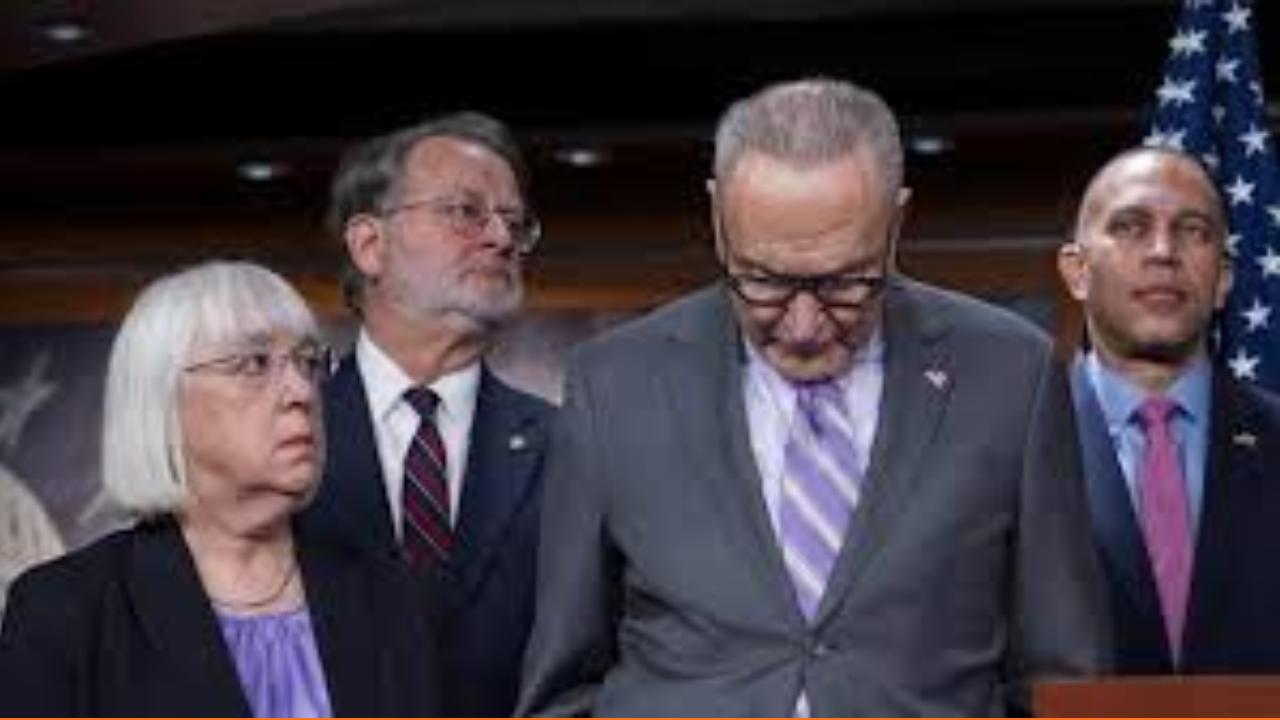
- The Legislative Standoff: Senate Democrats are demanding a “code of conduct” and a ban on roving patrols as a condition for funding. House Republicans, meanwhile, are resisting these restrictions, pointing to the One Big Beautiful Bill Act as proof that enforcement funds are already legally secured regardless of a lapse.
What Happens if DHS Shuts Down?
A lapse in funding doesn’t mean DHS stops working, but it does mean it stops getting paid.
- Travel Turmoil: TSA agents and Air Traffic Controllers are classified as “essential.” They will report to work, but without a paycheck, morale-driven call-outs usually spike, causing massive airport delays.
- FEMA Freeze: While immediate life-saving responses continue, long-term disaster recovery grants to states and cities will be put on ice.
- Cyber Risks: CISA’s ability to proactively monitor infrastructure threats will be significantly curtailed.
- The Paycheck Factor: Thousands of Border Patrol and ICE agents will be required to work through the weekend without pay until a resolution is reached.