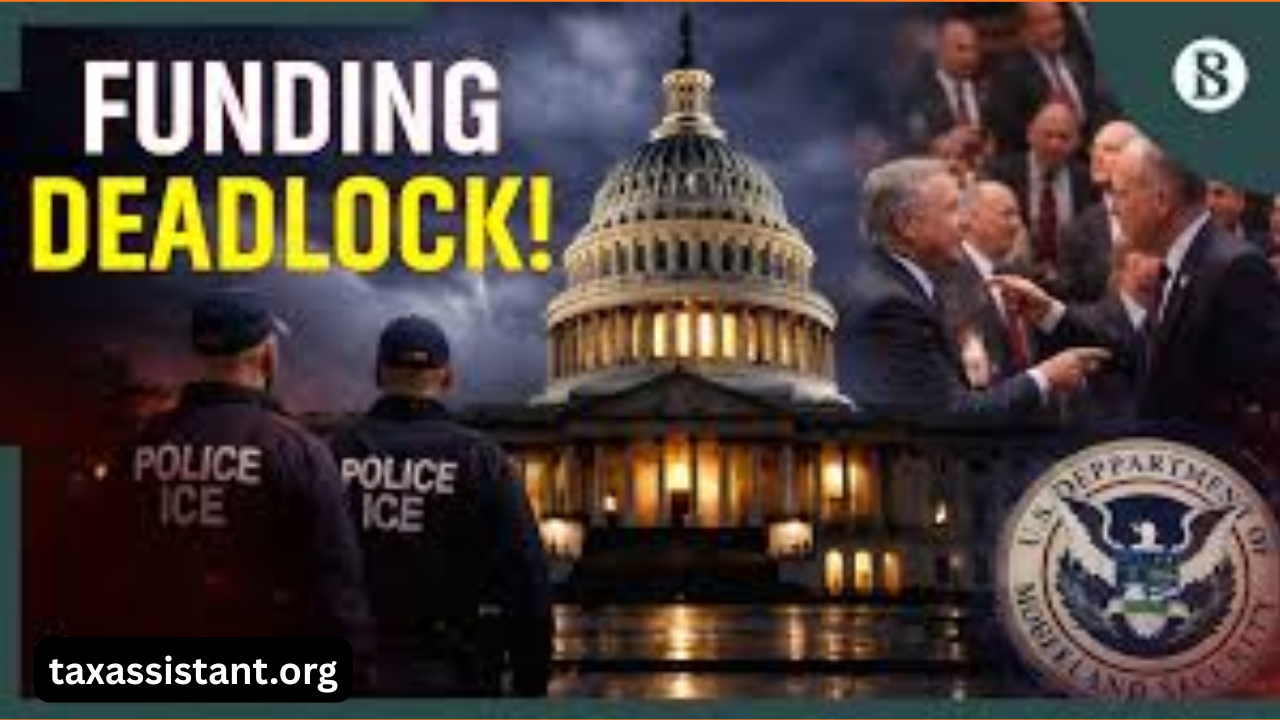
With only three days until funding for the Department of Homeland Security expires on February 13, Republican leaders are pivoting toward a second short-term stopgap bill. This move follows a total breakdown in negotiations after Democratic leaders rejected a White House counteroffer on immigration enforcement reforms.
Thank you for reading this post, don't forget to subscribe!The Impasse: Why the Deal Collapsed
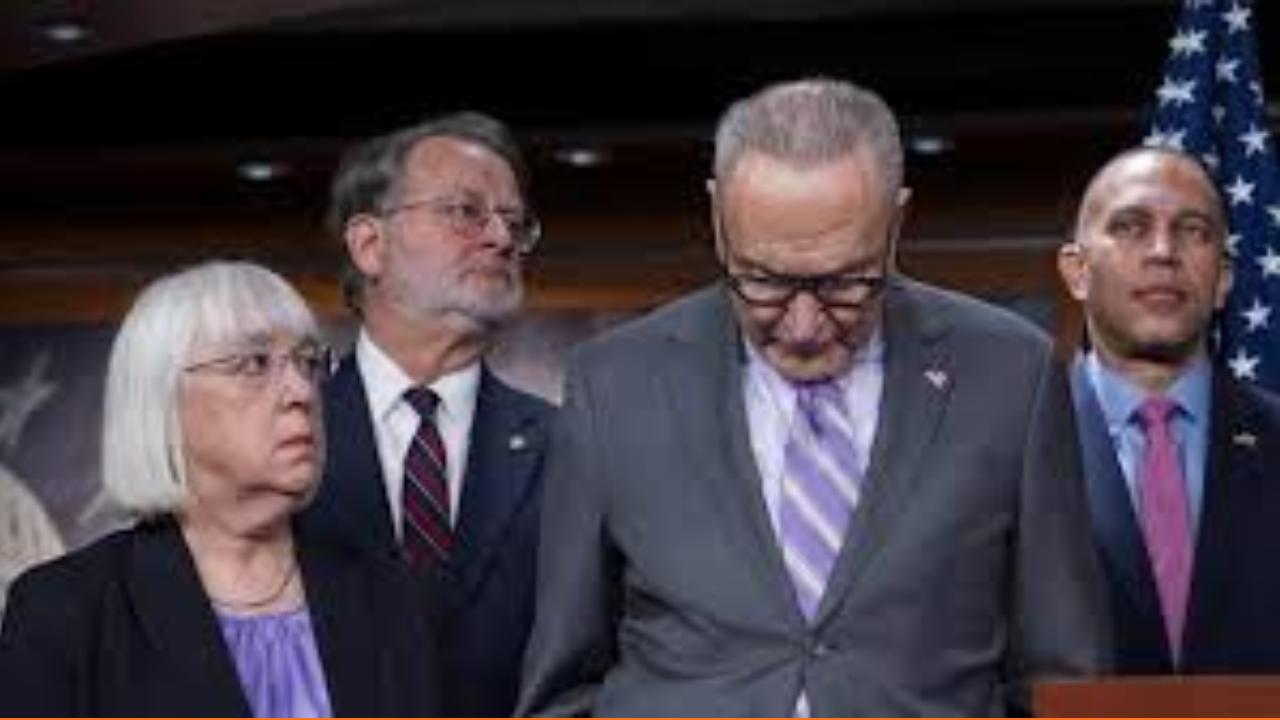
- The “Incomplete” Offer: Minority Leaders Chuck Schumer and Hakeem Jeffries officially “nixed” the latest White House proposal late Monday night, calling it “incomplete and insufficient.” They criticized the offer for lacking specific legislative text and failing to address “lawless conduct” by agents.
- Democratic Demands: Democrats are insisting on a “10-item list” of “guardrails,” which includes:
- “Masks Off, Cameras On”: A ban on agents wearing face masks and a mandate for body cameras.
- Judicial Warrants: A requirement for warrants before agents can enter private property.
- End to Profiling: New standards to prevent racial and ethnic profiling during “roving patrols.”
The GOP Strategy: A Second Stopgap
Facing a Friday midnight deadline, Senate Majority Leader John Thune is now exploring a second Continuing Resolution (CR)—likely lasting 2 to 4 weeks—to buy more time for a deal.
- Avoiding a “Travel Meltdown”: Republicans are wary of a shutdown that would affect the TSA and Coast Guard, fearing a repeat of the 43-day travel disruptions seen during the previous year’s shutdown.
- The Internal Rift: The strategy faces resistance from hardline conservatives like Senator Eric Schmitt, who argue that the GOP should stop “capitulating” to Democratic demands on immigration enforcement, which they view as a core party priority.
What Happens if DHS Shuts Down?
While a full-year funding deal remains elusive, the practical impact of a shutdown is complicated:
- Enforcement Continues: Due to the “One Big, Beautiful Bill” passed in 2025, ICE and CBP already have significant multi-year funding ($140 billion combined), meaning deportations and border operations would largely continue even during a lapse.
- The “Painless” Services Suffer: Agencies like FEMA, the Secret Service, and the TSA would be the hardest hit, with many employees forced to work without pay and new disaster relief funds potentially being delayed.