With the recent passage of the “One Big Beautiful Bill” (OBBB), many Americans are wondering if these new policies offer a “get out of jail free” card for existing tax debt. While the legislation introduces historic cuts and credits, it is vital to distinguish between reducing future taxes and resolving past debt.
Thank you for reading this post, don't forget to subscribe!The Reality of “Tax Forgiveness”
Key Policy Highlights for 2026
The OBBB introduces several deductions that may lower your taxable income this year:
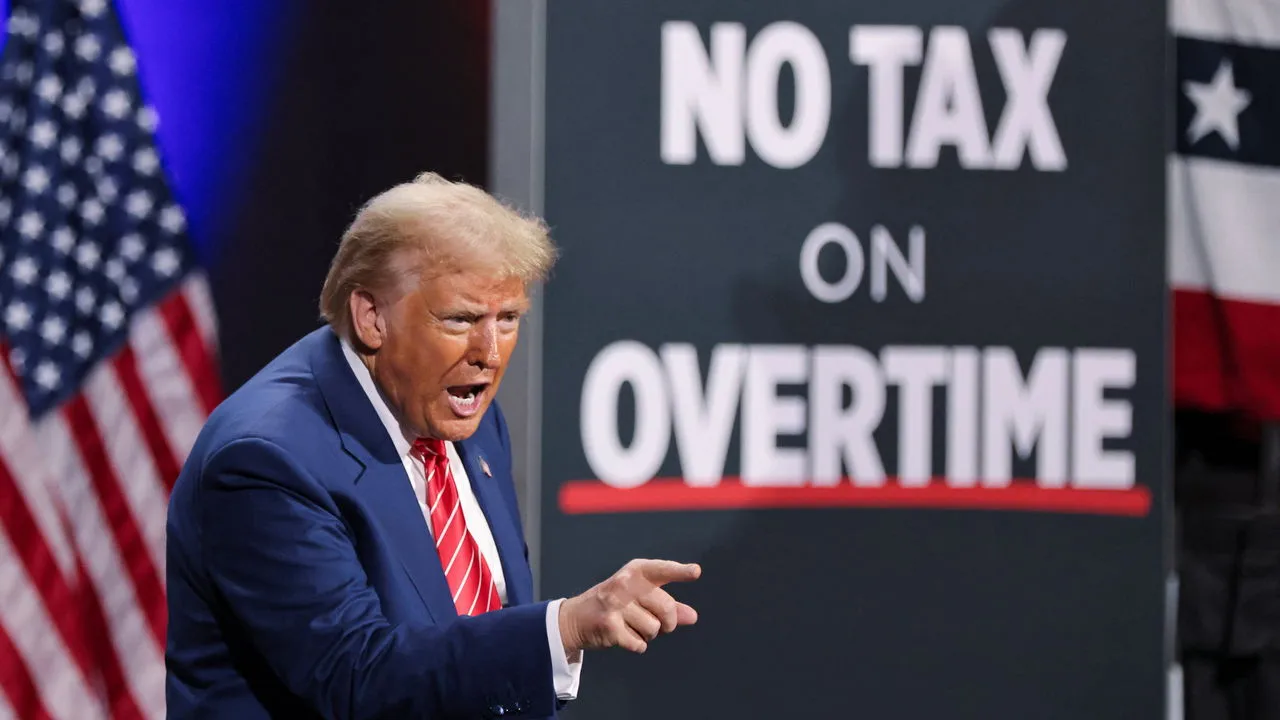
- Income Exemptions: Significant deductions for tips (up to $25,000) and overtime pay.
- Family & Senior Support: Increased deductions for seniors and expanded credits for dependents.
- State and Local Relief: The SALT deduction cap has jumped to $40,000, offering relief for homeowners in high-tax states.
- Domestic Incentives: Deductions for interest on U.S.-made vehicle loans.
Proven Strategies for IRS Debt Resolution
If you are currently carrying a balance, the IRS still requires formal action through their updated resolution programs.
- Offer in Compromise (OIC): The “Fresh Start” standard. If you can prove that paying your full debt would create a financial crisis, the IRS may allow you to settle for a fraction of what you owe.
- Streamlined Installment Agreements: For balances under $50,000, you can often set up a 72-month payment plan without the IRS filing a public tax lien against your credit.
- First-Time Penalty Abatement: If you have a clean filing history for the three years prior to your debt, you can often have failure-to-pay penalties removed with a simple request.
Protecting Yourself from Scams
As tax laws change, “Tax Relief” scams often increase. Remember: No legitimate firm can guarantee a specific settlement amount without a deep dive into your assets, income, and expenses. Always verify a firm’s credentials or work directly with the IRS website.