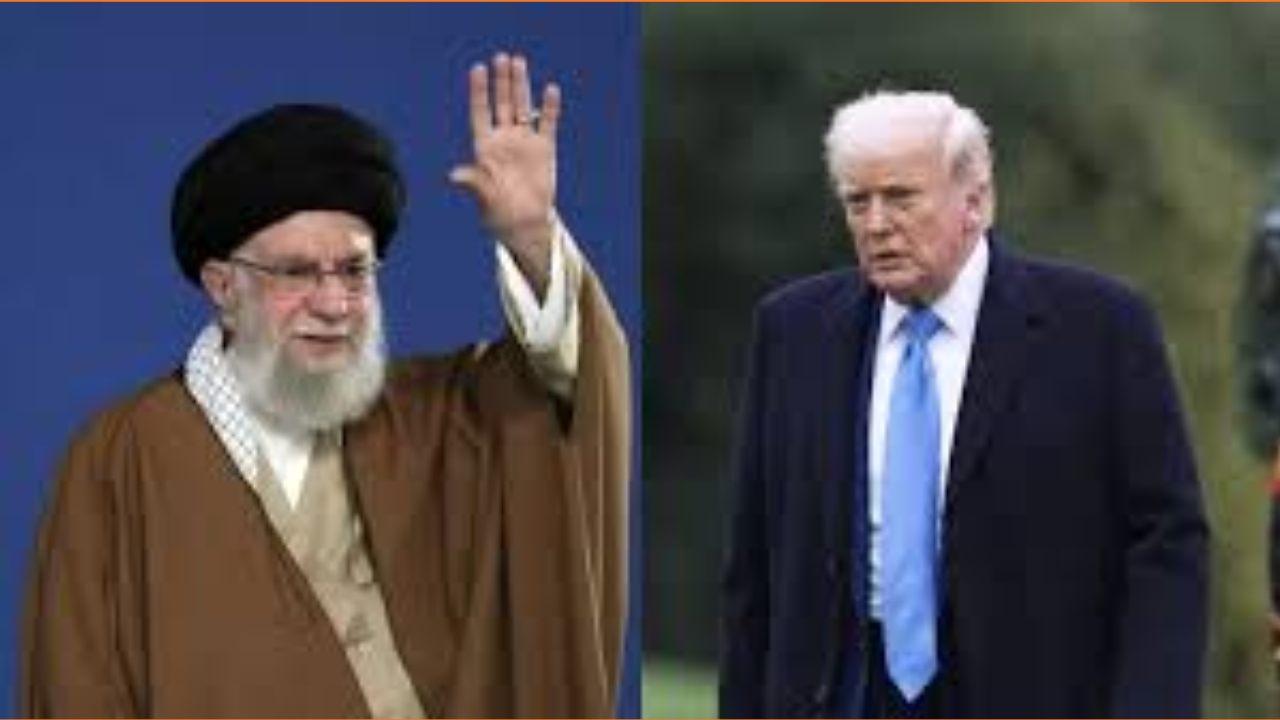
With the clock ticking toward a scheduled diplomatic showdown, Tehran is testing the Trump administration’s resolve. By layering new logistical demands on top of recent military friction, Iran appears to be trying to seize the “home-field advantage” before sitting down at the table.
Thank you for reading this post, don't forget to subscribe!The Diplomatic Pivot: New Demands
- Location Swap: Tehran is pushing to move the summit from Istanbul to Oman, seeking a venue known for more private, favorable mediation.
- Narrowed Focus: In a direct challenge to the U.S. “Maximum Pressure 2.0” strategy, Iran insists on discussing only the nuclear program, flatly refusing to include their ballistic missile stockpile or regional proxy activities in the agenda.
- Exclusive Access: They are seeking a direct bilateral format with the U.S., effectively trying to sideline regional neighbors like Saudi Arabia and Egypt from the primary conversation.
Escalation on the Water
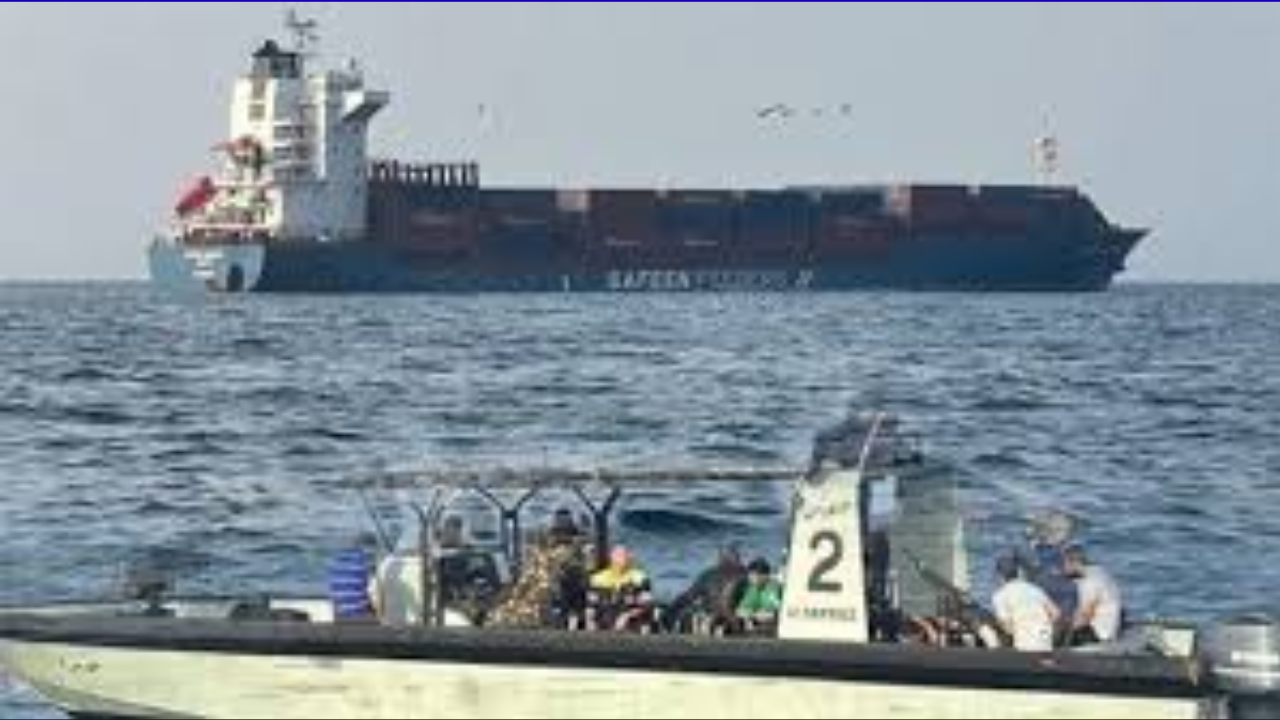
The diplomacy is being conducted in the shadow of a “near-miss” military engagement. Following the U.S. shoot-down of an Iranian drone near the USS Abraham Lincoln, the rhetoric has sharpened:
- The U.S. Stance: The administration views the drone incident as a clear provocation designed to gain leverage, maintaining that the massive naval “armada” currently in the Arabian Sea is a necessary deterrent.
- The Iranian Stance: Tehran characterizes the U.S. presence as an act of “maritime terrorism” and has reiterated threats to disrupt global oil flow through the Strait of Hormuz if their demands aren’t considered.
What’s at Stake?
The “Oman Friday” talks represent a binary outcome: a historic breakthrough or a rapid descent into regional conflict. While Iran has hinted at moving 400kg of highly enriched uranium as a peace offering, their refusal to budge on missile defense remains the primary “poison pill” for U.S. negotiators.