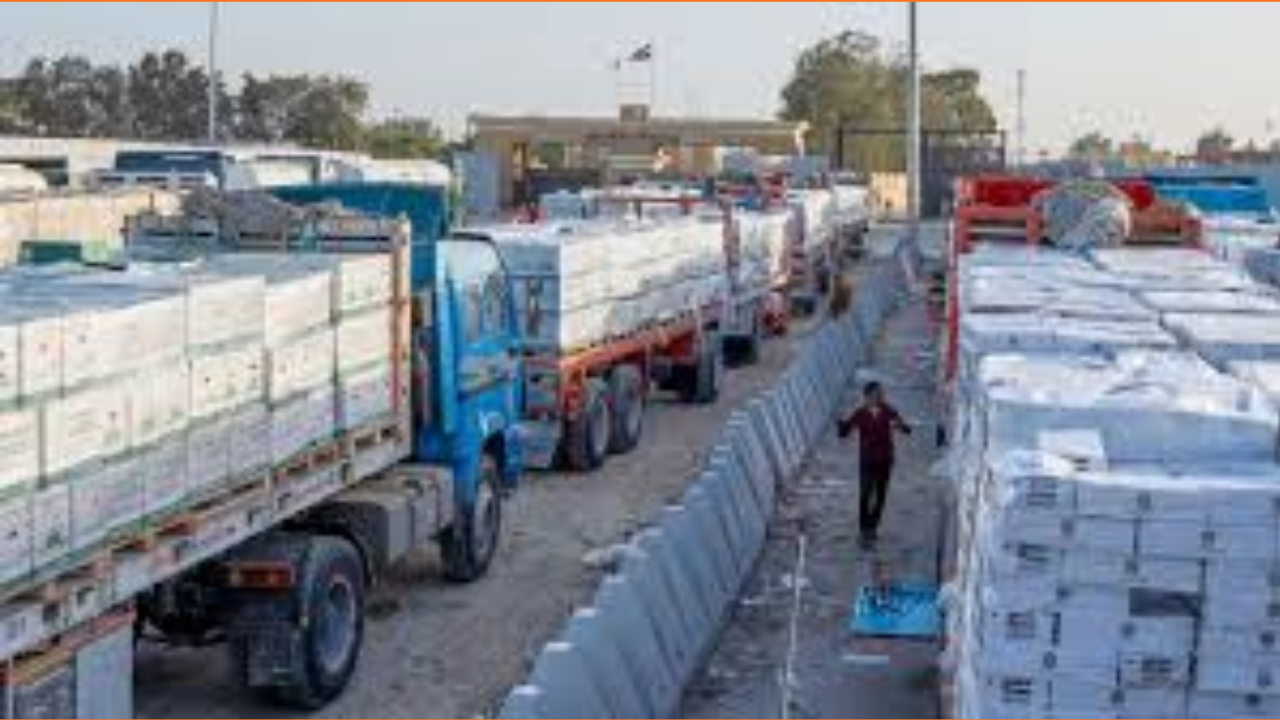
The reopening of the Rafah border today marks a symbolic and practical shift in the Gaza ceasefire efforts. After nearly two years of restricted access, this “safety valve” is finally being cracked open, though it is far from “business as usual.”
Thank you for reading this post, don't forget to subscribe!1. The Logistics of the “New Normal”
The crossing isn’t just open; it’s being managed under a microscope.
- The “50/50” Cap: Only 50 people are permitted to cross in either direction daily—a fraction of the pre-war volume.
- The Priority List: Access is strictly reserved for the most critically ill. With over 20,000 patients in the queue, this is a slow-drip solution to a massive medical crisis.
- Triple-Layer Security: Travelers must clear a gauntlet of approvals from Israel, Egypt, and EU monitors, ensuring every individual is vetted before crossing the Philadelphi Corridor.
2. Why Now?
3. The Reality Check
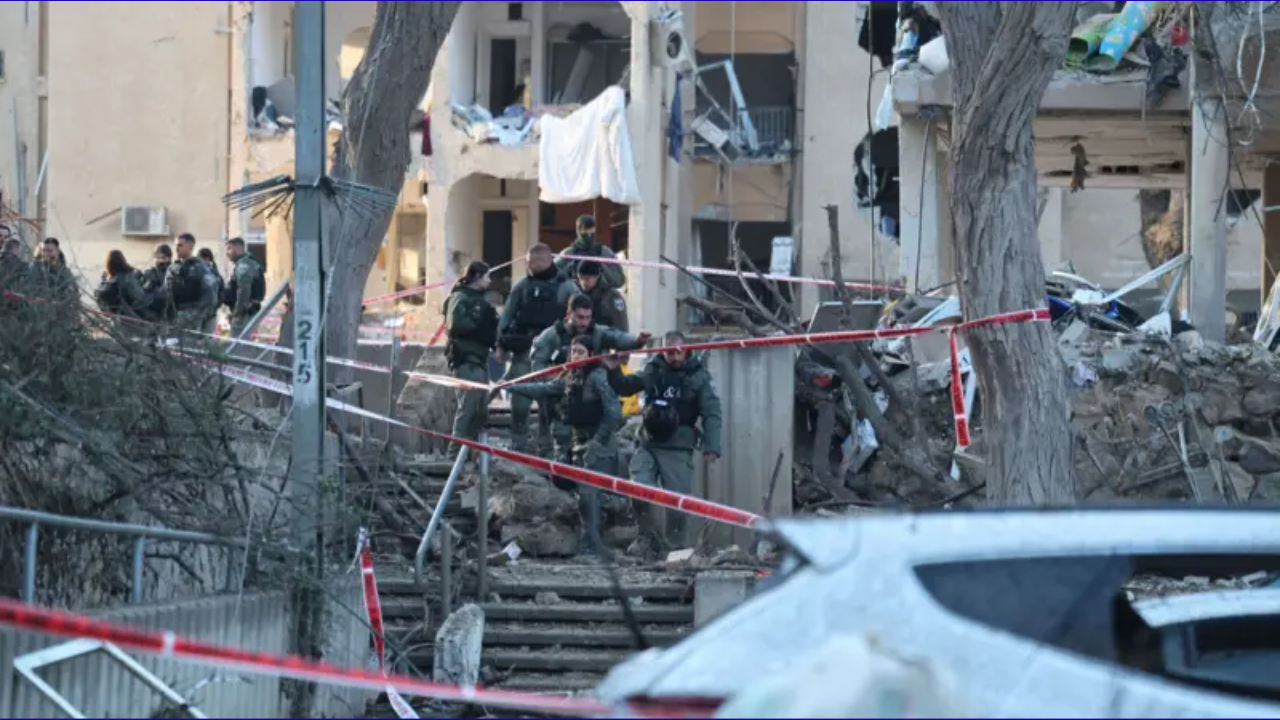
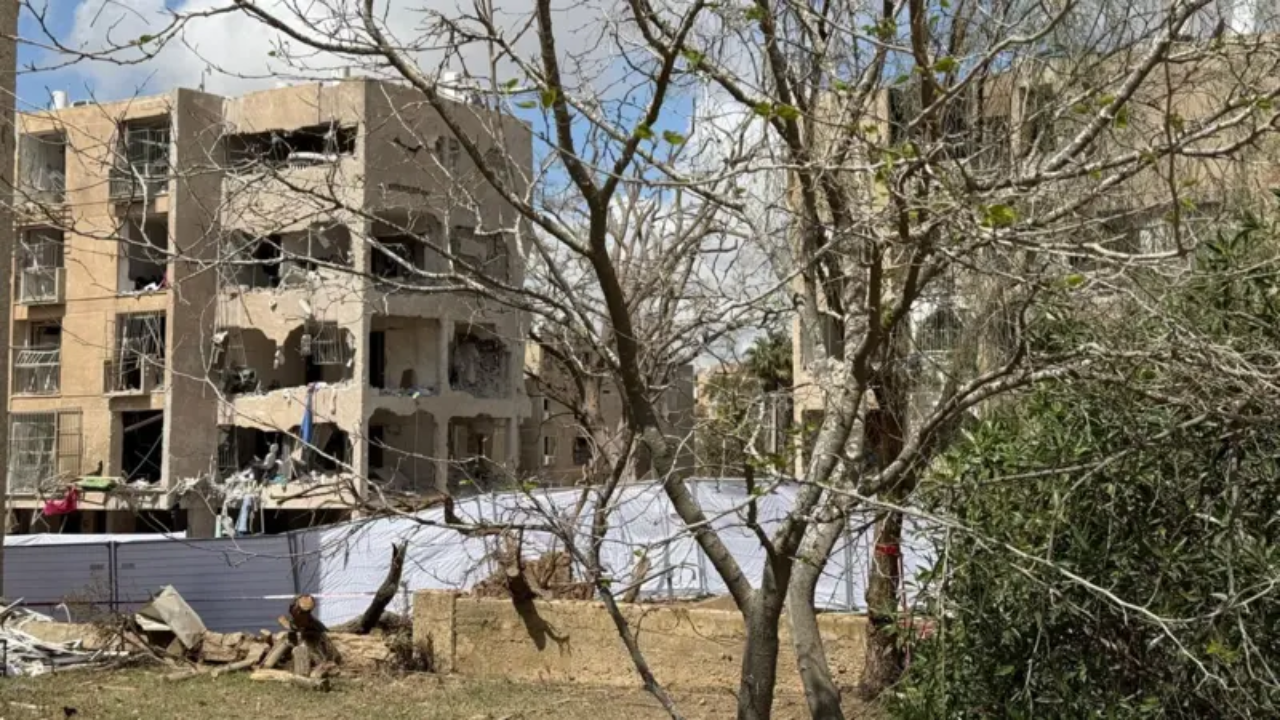
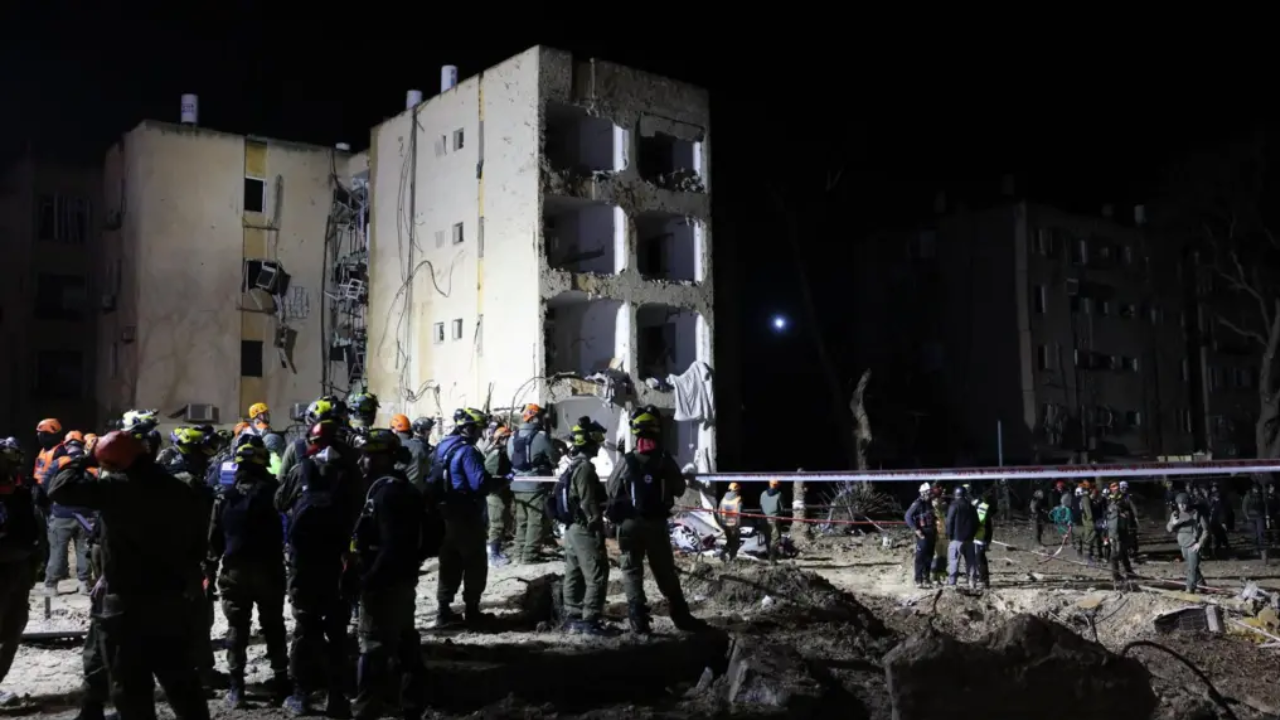
While the gates are moving, the bombs haven’t entirely stopped. The reopening happened against a backdrop of weekend strikes and truce violations.
The Bottom Line: Rafah’s reopening is a “proof of concept” for the ceasefire. If this limited movement remains stable, it paves the way for the reconstruction phase. If it falters, the entire peace framework could collapse.