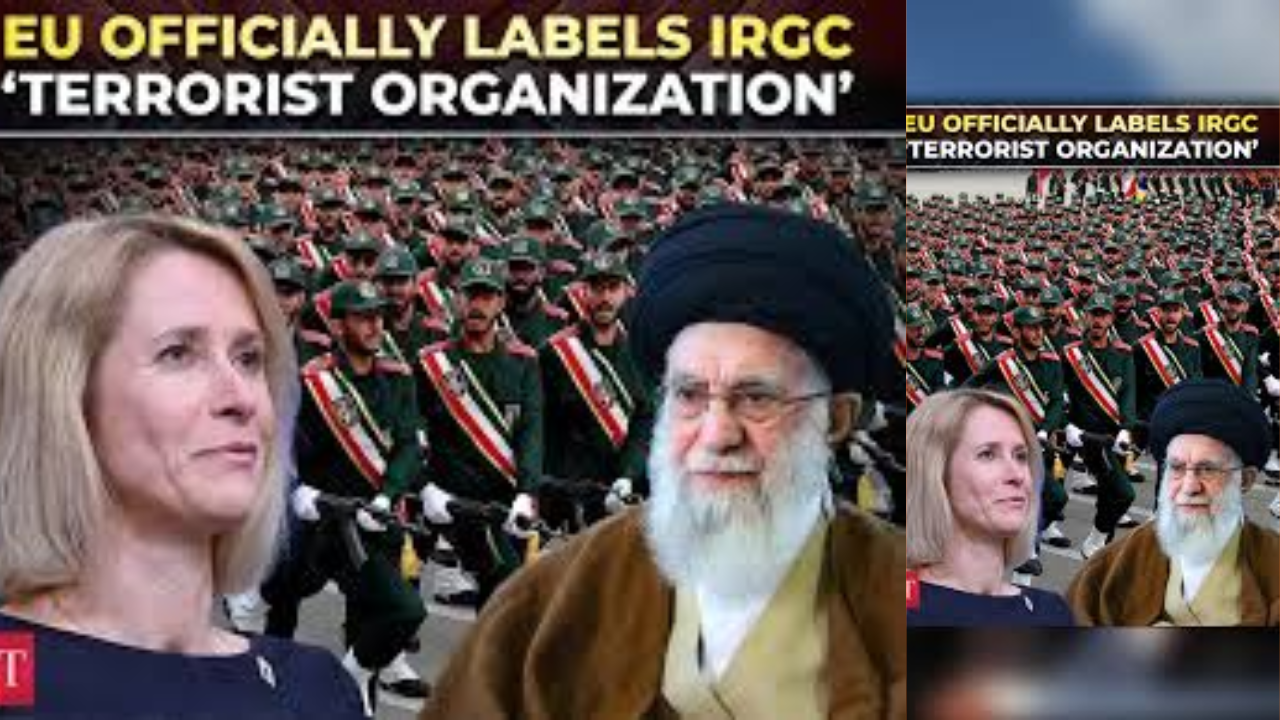
In a move that signals a historic low in Euro-Iranian relations, Tehran has summoned all European Union ambassadors to the Foreign Ministry. This formal protest is a direct response to the EU’s recent decision to blackball the Islamic Revolutionary Guard Corps (IRGC) as a terrorist entity.
Thank you for reading this post, don't forget to subscribe!The Catalyst: Why Now?
The EU’s designation, finalized on January 29, 2026, wasn’t a sudden whim. It was triggered by:
- The January Crackdown: Intense international condemnation followed the IRGC’s role in suppressing nationwide protests earlier this year.
- Geopolitical Alignment: The move aligns the EU more closely with the Trump administration’s “maximum pressure” strategy.
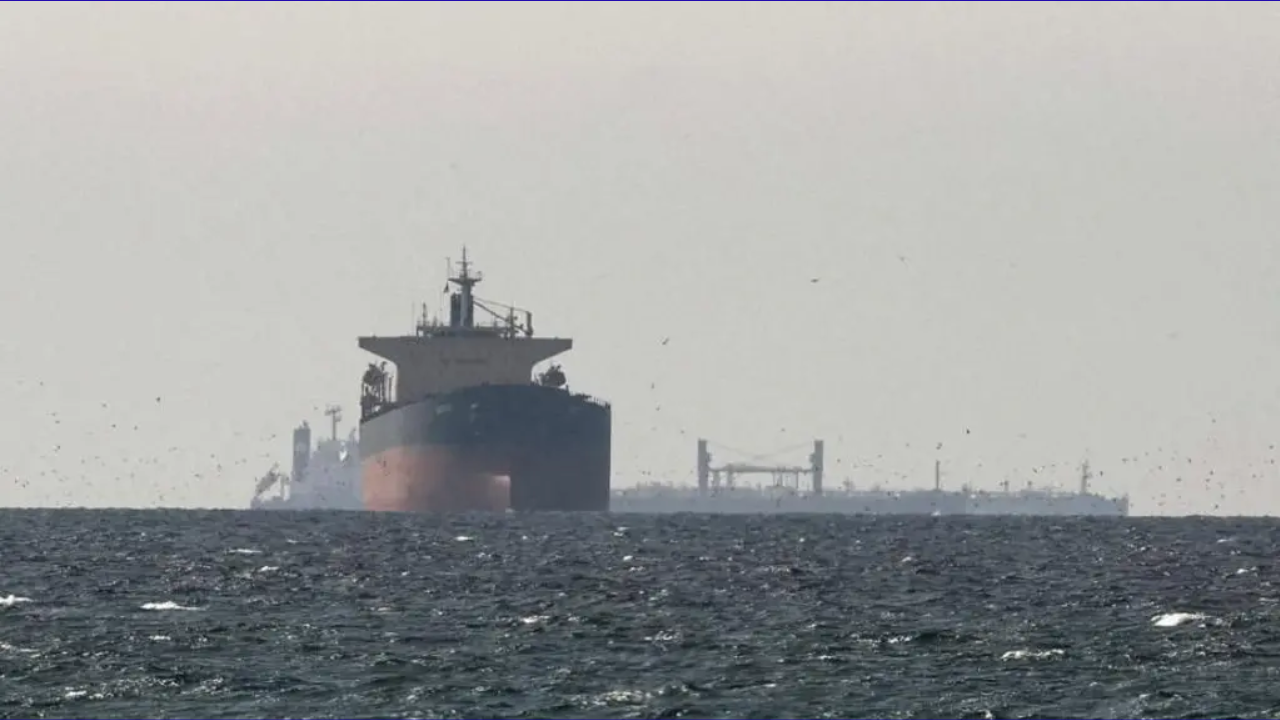
- Regional Security: Concerns over IRGC-linked activities in shipping lanes and proxy conflicts.
Iran’s Counter-Strike
Tehran isn’t just complaining; it’s retaliating with a “mirror” policy. The Iranian government has:
- Labeled EU Militaries as Terrorists: A symbolic legal move that complicates any future security cooperation.
- Parliamentary Defiance: Iranian lawmakers famously attended sessions in IRGC uniforms this week to signal total institutional unity.
- Expulsion Threats: Hinted at kicking out European military attachés, which would effectively “blind” EU intelligence on the ground.
The Global Stakes
The Bottom Line: By summoning the ambassadors, Iran is trying to frame the EU as a “vassal” of U.S. policy while asserting that its primary security force remains untouchable.