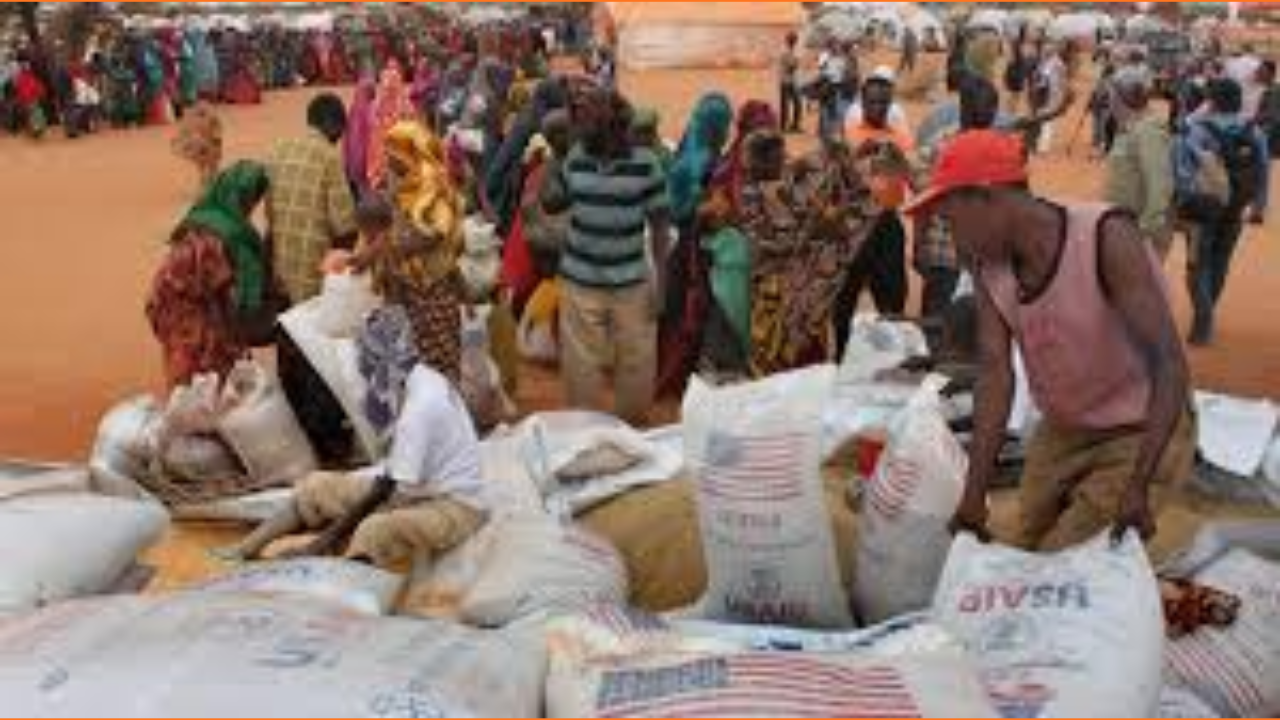
The United States has greenlit the resumption of food aid to Somalia following a high-stakes standoff over alleged interference. While the aid is flowing again, the two nations remain at odds over exactly what caused the month-long disruption.
Thank you for reading this post, don't forget to subscribe!The Point of Contention
The friction centers on a World Food Program (WFP) warehouse in Mogadishu. The narratives from Washington and Mogadishu couldn’t be further apart:
- The U.S. Stance: Officials accused the Somali government of seizing 76 metric tons of food and “illegally” destroying a U.S.-funded warehouse. They framed it as a breach of trust and a direct violation of humanitarian protocols.
- The Somali Denial: Local officials rejected the idea of “seizure” or “theft.” They argued the warehouse was simply in the way of a Mogadishu Port expansion project and was demolished as part of routine urban development.
The Terms of Resumption
- Restitution: All diverted food supplies were returned to the WFP.
- Replacement: The Somali government provided a larger, more modern warehouse to replace the one destroyed.
- Accountability: While stopping short of a “guilty plea,” the Somali Foreign Ministry expressed “regret” for the disruption.
The Big Picture: This incident reflects a “new era” of U.S. aid oversight. Under the current administration, the U.S. is signaling that it will pull the plug on assistance immediately if it detects any signs of local government interference.