What started as a simple landscaping project at a Kamloops seniors’ home has spiraled into a legal and financial nightmare. The discovery of two ancient human skulls has become a harbinger of future woes, exposing a system where “doing the right thing” can lead to personal bankruptcy.
Thank you for reading this post, don't forget to subscribe!The Financial Burden: A “Penalty” for Discovery
In British Columbia, the Heritage Conservation Act operates on an “owner pays” model. This means if you find history on your land, you own the bill for it.
- The Bill: The property owner is facing costs that could exceed $180,000 for excavation, legal fees, and ceremonial costs requested by the local First Nation.
- The Conflict: Critics warn this creates a dangerous incentive for “Midnight Archaeology”—where landowners might choose to hide or destroy remains to avoid the crushing financial liability.
The “Fill” Controversy: Geography vs. Law
A major wrinkle in this case is the origin of the remains.
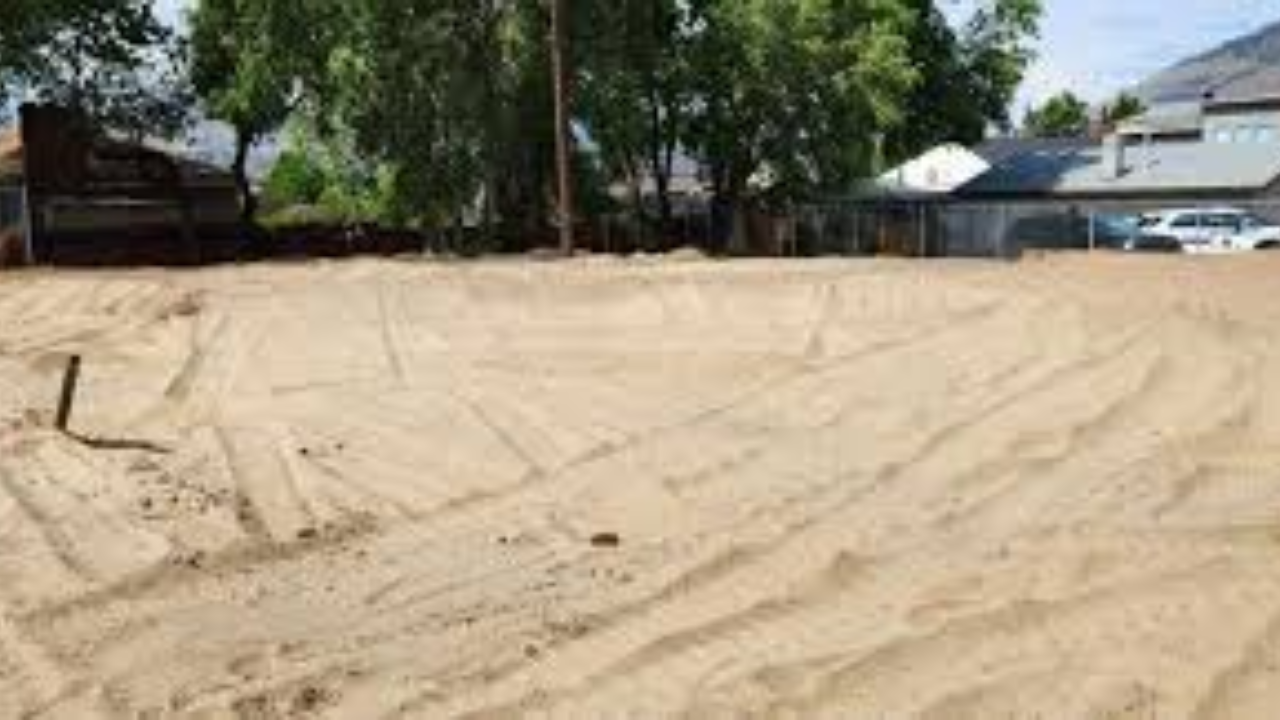
- An expert archaeologist found that the skulls were discovered in imported fill—sand and gravel brought from a different location years ago.
- The Legal Woes: Despite the remains not being “native” to that specific patch of dirt, the property has been declared a sacred site. This raises a massive red flag for the future: if remains are moved via construction fill, any property could theoretically be designated a protected site overnight.
The Policy Paralysis
The B.C. government finds itself in a “no-win” situation between two conflicting priorities:
- Indigenous Rights: Upholding UNDRIP (United Nations Declaration on the Rights of Indigenous Peoples) and protecting ancestral remains.
- Property Rights: Ensuring that citizens aren’t held financially responsible for historical artifacts they didn’t know were there.
The Resulting “Woe”: Frozen Assets
For the average Canadian, their home is their largest asset. This case suggests that a single shovel-turn can render a property unsellable and unbuildable. Without a government-funded “Discovery Fund” to cover these costs, the Kamloops case serves as a warning that owning land in B.C. now comes with a massive, hidden archaeological risk.
The Bottom Line: Until the province shifts the cost of preservation from the individual to the taxpayer, discovery will continue to be viewed as a liability rather than a cultural win.