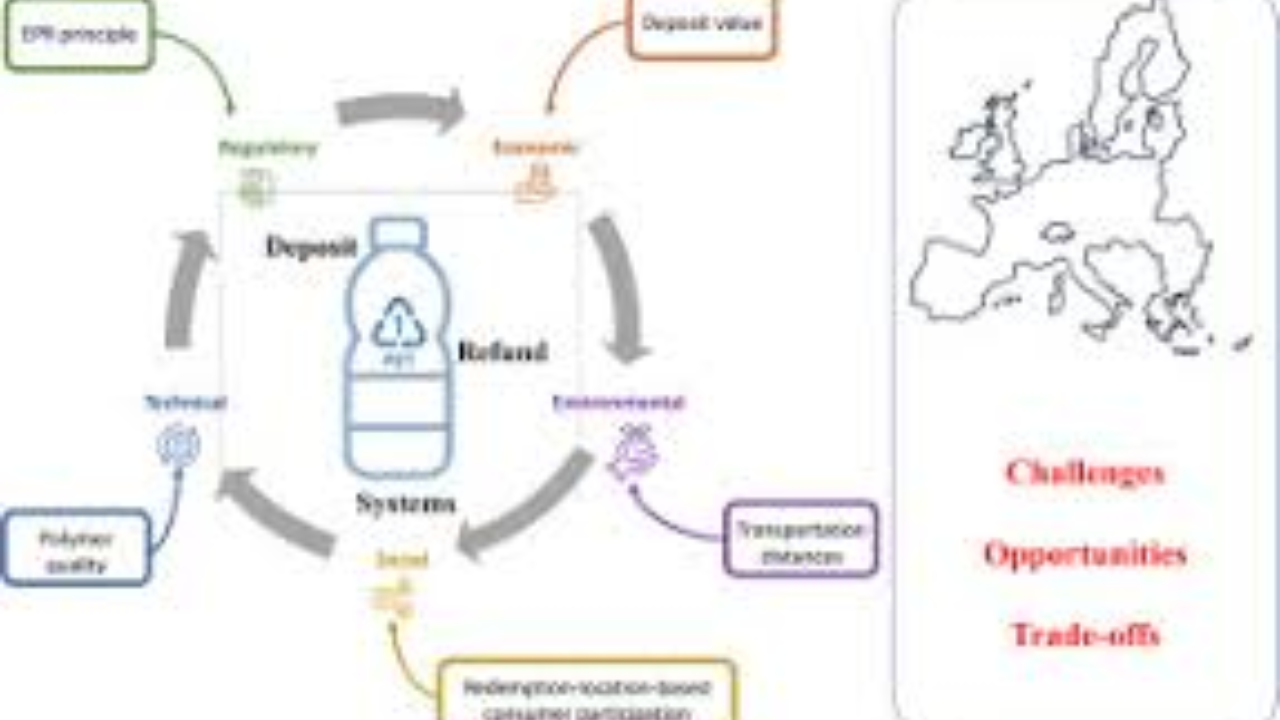
In 2024, Ontario’s plan to modernize its recycling system for non-alcoholic containers (pop, water, juice) collapsed. While environmental groups and beverage producers wanted the system, a powerful lobbying effort by the retail sector successfully killed the initiative.
Thank you for reading this post, don't forget to subscribe!The Conflict: Who Handles the Trash?
The “Blue Box” system is failing, recovering less than half of Ontario’s beverage containers. A Deposit-Return System (DRS) was proposed to fix this, but it sparked a civil war between two industry giants:
- The Big Grocers (Retail Council of Canada): Supermarkets like Loblaws and Sobeys viewed “return-to-retail” as a logistical nightmare. They lobbied the government relentlessly, arguing that storing “dirty” empties in food-selling spaces was unhygienic, expensive, and a “red tape” burden.
- The Beverage Producers (CBA): Companies like Coca-Cola and Pepsi actually wanted the system. Under “Full Producer Responsibility” laws, they are now financially liable for their waste. They needed the high-quality, food-grade plastic and aluminum that only a deposit system can consistently provide.
The Political Pivot
The Doug Ford government initially supported the DRS, but several factors led to a sudden U-turn:
- The “Affordability” Narrative: The grocery lobby successfully framed the deposit system as a “hidden tax” that would increase grocery bills during an inflation crisis.
- The Alcohol Factor: As the government fast-tracked beer and wine sales into convenience stores, they prioritized “convenience” for consumers over the “responsibility” of handling returns.
- The Quiet Kill: In early 2024, the government disbanded its working group without a public announcement. They later weakened recycling mandates, exempting “on-the-go” containers (the ones most likely to end up as litter).
The Result: A “Lobbying Win” for Retail
By shelving the DRS, Ontario remains a national outlier. The decision shifts the burden of plastic pollution back onto municipal taxpayers and the environment, while sparing major retailers the cost of managing the waste they sell.