Frostbite is a “silent” injury. Because freezing temperatures numb your nerves, your body loses its ability to warn you that your tissue is literally turning to ice. If you’re heading into the cold, here is the essential breakdown of how to spot it and how to stop it.
Thank you for reading this post, don't forget to subscribe!The Three Red Flags
- Frostnip (The Warning): Skin looks red and feels like “pins and needles.” This is your cue to get inside immediately.
- Superficial (The Danger Zone): Skin turns white or grayish-yellow. It feels firm to the touch but “squishy” underneath. Blistering is likely.
- Deep (The Emergency): Skin feels hard, waxy, and cold. You have zero sensation. This requires a hospital, as it involves muscles and bone.
The Emergency “Cheat Sheet”
| DO THIS | NEVER DO THIS |
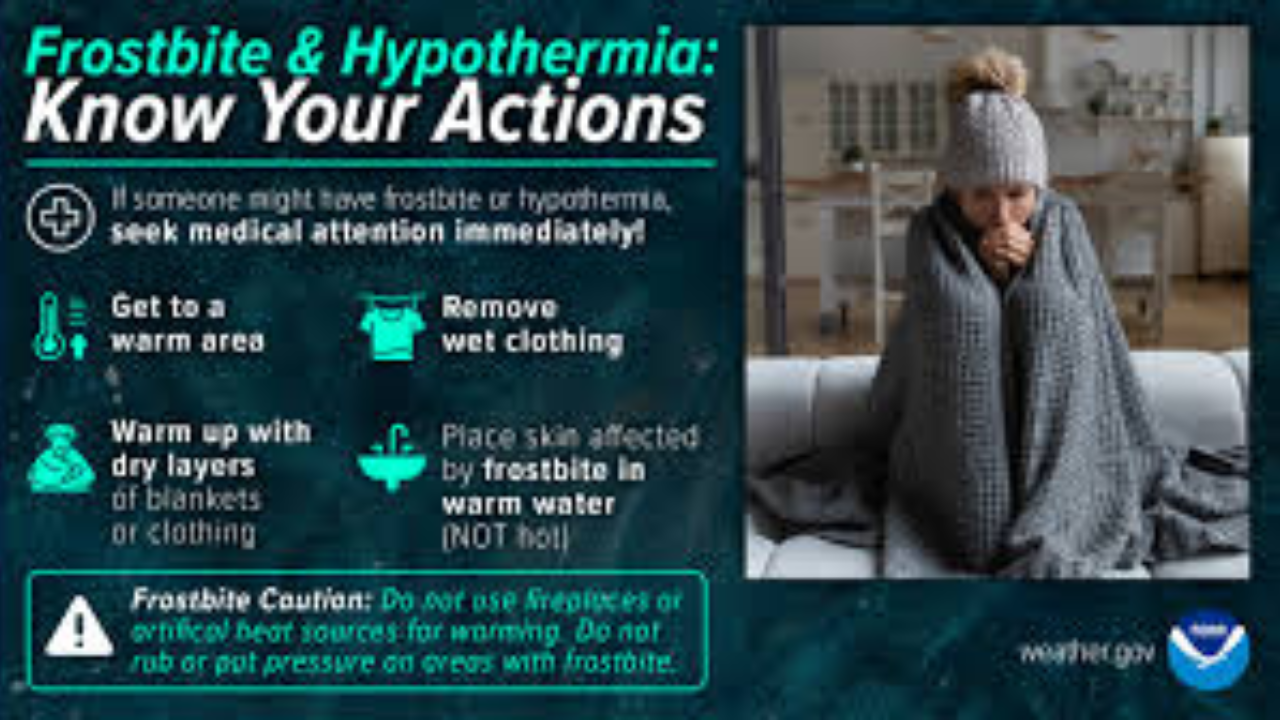
| Get Dry: Strip off wet socks or gloves immediately. | Do Not Rub: Rubbing frozen skin is like rubbing glass shards into your cells. |
| Slow Soak: Use lukewarm water (never hot). | No Direct Heat: Avoid heating pads or fires; you won’t feel yourself burning. |
| Skin-to-Skin: Use armpits or palms for gentle warmth. | No “Thaw-Refreeze”: If you’re still stuck outside, wait to thaw until you’re indoors for good. |
The “Golden Rule” of Prevention
The best way to treat frostbite is to never get it. Always dress in three layers:
- Base: Moisture-wicking (Synthetic/Silk)
- Mid: Insulation (Wool/Fleece)
- Outer: Protection (Windproof/Waterproof shell)
Pro-Tip: If you can’t feel your nose or ears, they are already at risk. Use the “buddy system” to check your friends’ faces for white patches they might not feel themselves.