After years of heartbreaking headlines regarding wildlife culling, the British Columbia Conservation Officer Service (BCCOS) has shared some rare good news. In 2025, bear mortalities dropped to their lowest point in ten years—a stark contrast to the lethal records set just two years ago.
Thank you for reading this post, don't forget to subscribe!The Data Breakdown
The shift isn’t just a minor dip; it’s a total collapse in conflict numbers.
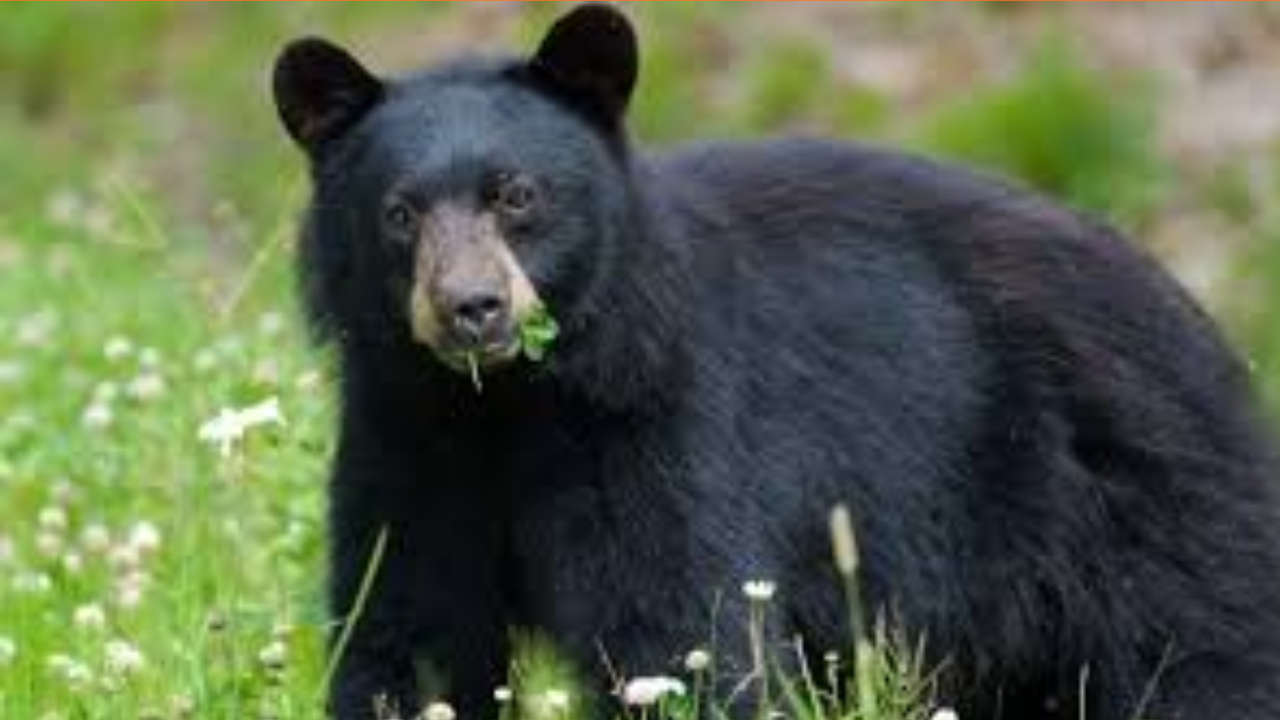
- Fatalities: Only 211 black bears were killed in 2025, compared to 603 in 2023.
- Public Calls: The Report All Poachers and Polluters (RAPP) line saw calls sliced in half, dropping from nearly 28,000 to roughly 13,700.
- Safety vs. Welfare: Of the 211 deaths, 178 were for public safety reasons, while 33 were euthanized due to existing sickness or injury.
The Two Biggest Factors
Why the sudden change? Conservationists attribute the success to a mix of “Good Luck” and “Good Management”:
- The Berry Boom: Nature provided a massive “phenomenal” berry crop in the Interior. When the mountains are full of food, bears have no reason to raid your trash can.
- The “Attractant” Shift: Communities are finally getting the message. With better garbage security and fruit tree management, bears aren’t becoming “habituated” (losing their fear of humans) as often.
The Reality Check: While the trend is positive, it isn’t perfect. Ucluelet remained a hotspot, accounting for a disproportionate number of deaths, proving that local efforts still have room to grow.
Key Takeaway
The 2025 stats prove that bear deaths aren’t an inevitability—they are a result of environment and human behavior. When the berries grow and the trash is locked up, everyone wins.