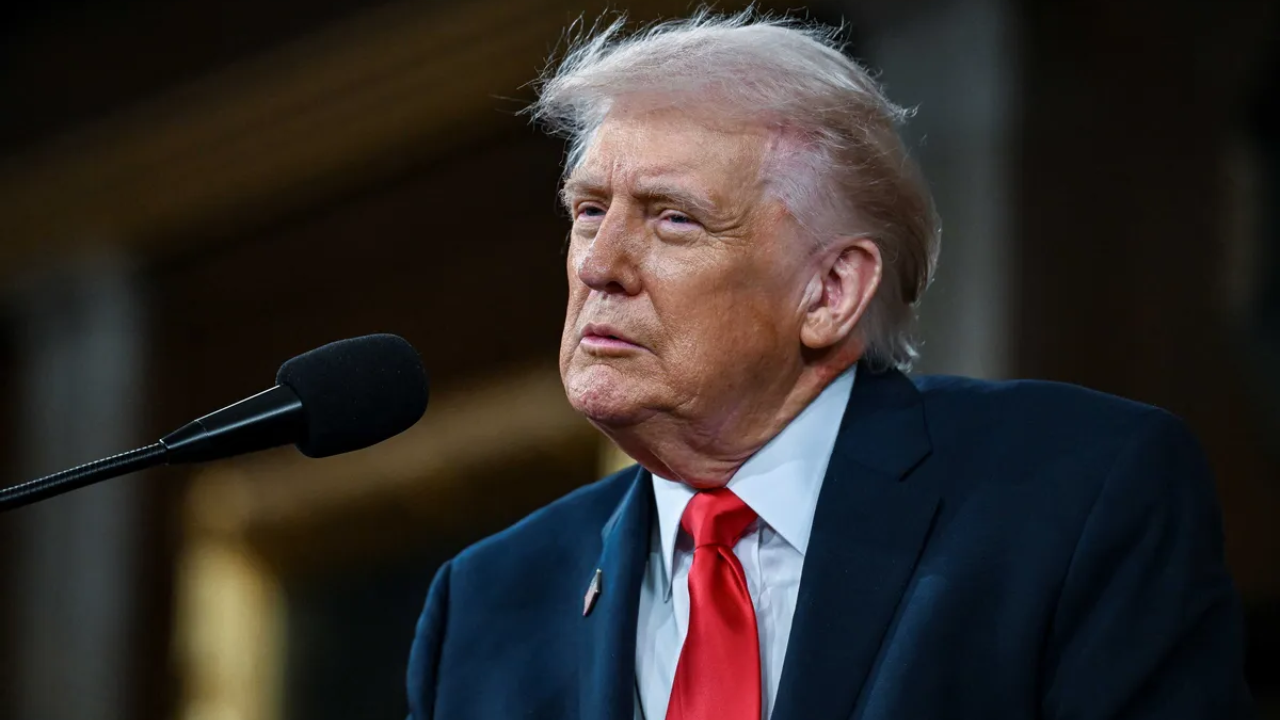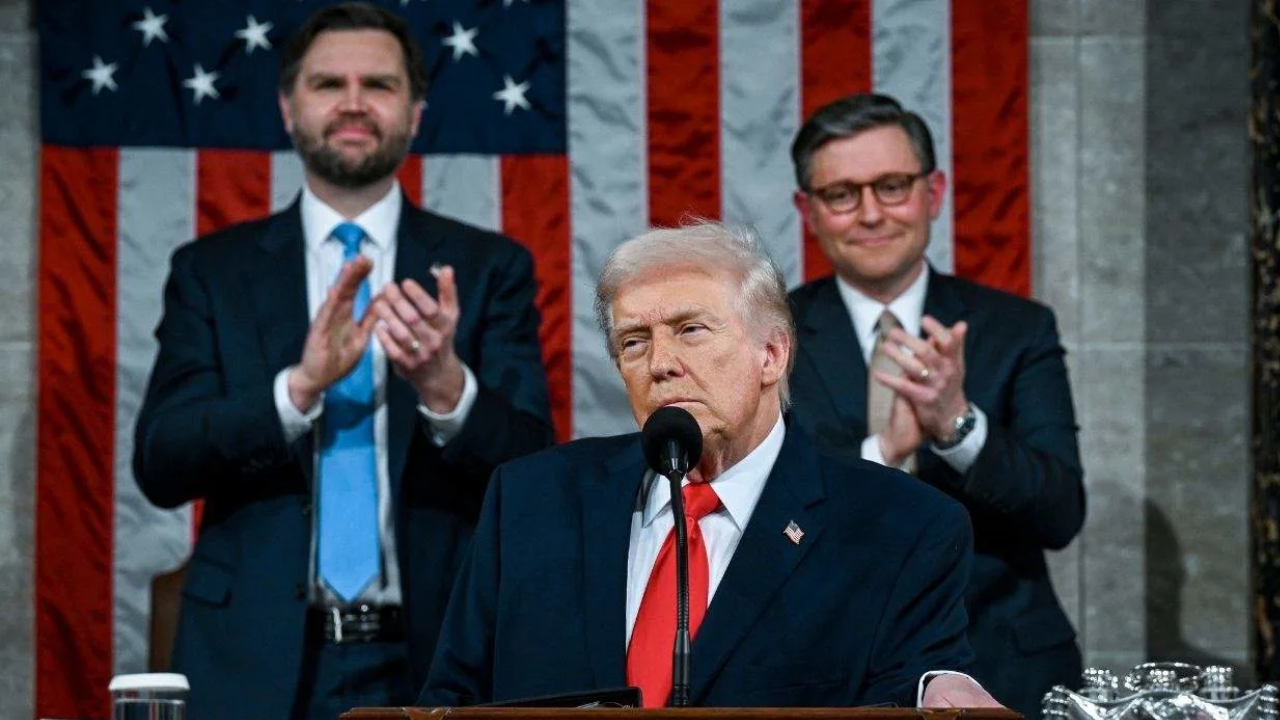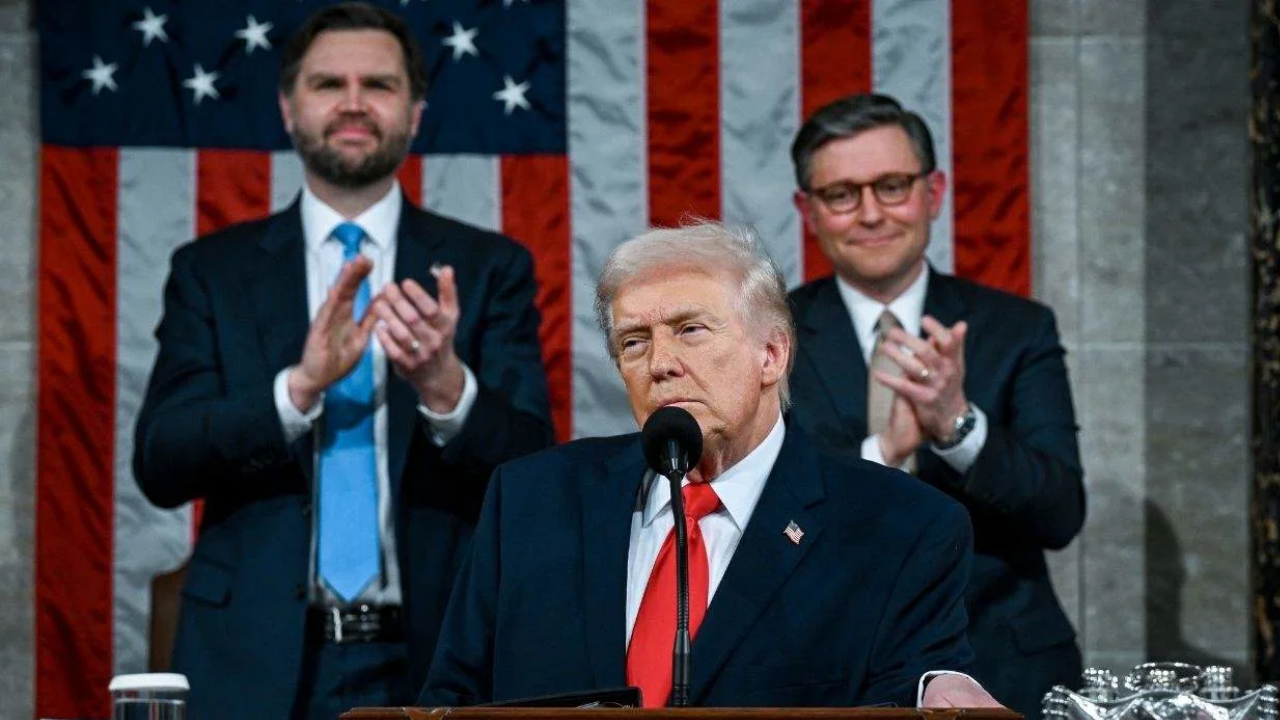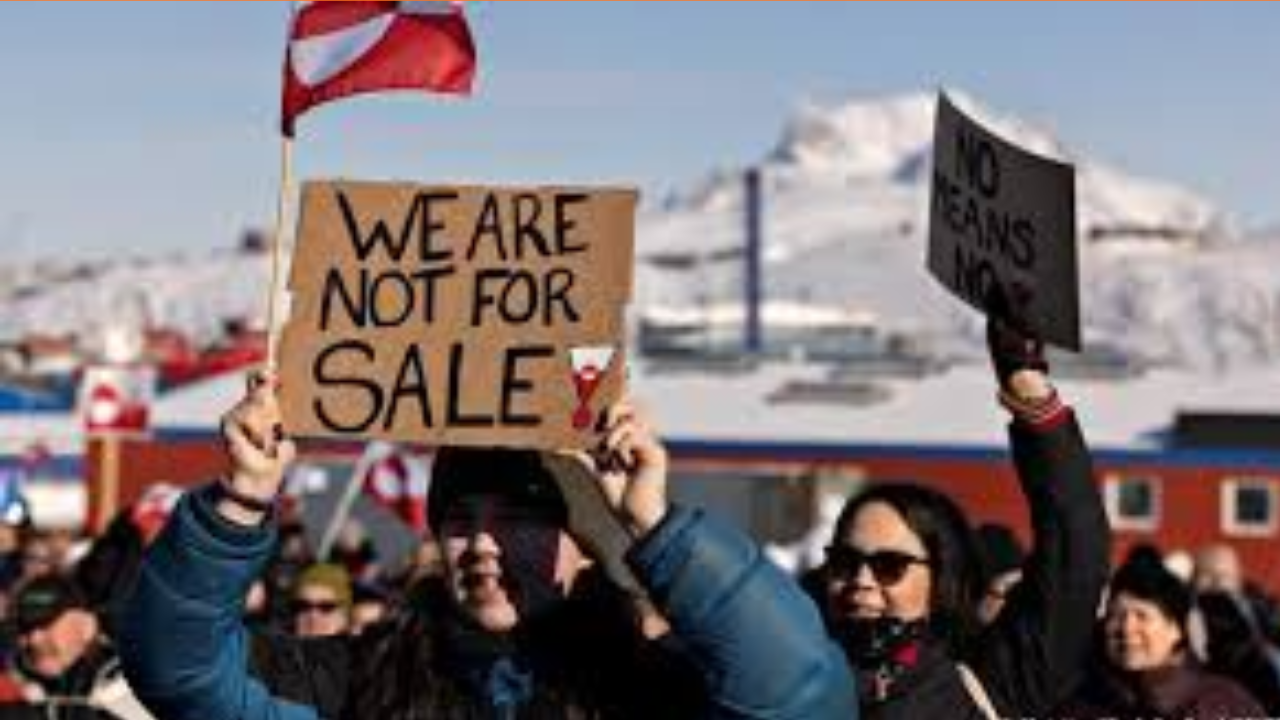
Danish Prime Minister Mette Frederiksen has issued a definitive response to the shifting U.S. position on Greenland, asserting that the kingdom’s sovereignty is a closed book. Following a sudden “about-turn” by President Donald Trump—who recently traded tariff threats for a security framework—Frederiksen made it clear that while security cooperation can evolve, ownership is not on the table.
Thank you for reading this post, don't forget to subscribe!The Shift: From Tariffs to “Frameworks”
The diplomatic crisis reached a turning point at the World Economic Forum in Davos. After weeks of aggressive rhetoric and the threat of a 10% tariff on European nations, Trump pivoted following a meeting with NATO leadership.
- The De-escalation: Trump scrapped the proposed tariffs and announced a “framework deal” centered on Arctic security.
- The U.S. Justification: The White House shifted its narrative, framing the interest in Greenland as a vital move for “National and World Security” to counter Russian and Chinese influence in the Arctic.
Denmark’s Firm Stance
- Non-Negotiable Ownership: Frederiksen stated that Denmark cannot and will not negotiate the sovereignty of its territory.
- Limited Cooperation: While open to discussing the “Golden Dome” missile-defense system and regional economics, she insisted these talks do not involve a transfer of land.
- Local Agency: She reinforced that any decisions regarding Greenland’s future must involve the people of Greenland and their local government.
The Bottom Line
The “Greenland Question” has become a defining moment for the NATO alliance in 2026. While the immediate threat of a trade war has passed, Frederiksen’s remarks signal that the trust between Copenhagen and Washington has been deeply shaken. She characterized the recent period of pressure as a “dark chapter” that has forced Europe to reconsider its strategic independence.